-
Latin America
Latin America
- Countries (hidden space)
- Galapagos & Ecuador
- Guatemala
- Mexico
- Panama
- Peru
- Popular Attractions
- Machu Picchu
- Inca Trail
- Easter Island
- Galapagos Islands
- Patagonia
- Rio de Janeiro
- Iguazu Falls
-
Africa
Africa
- Spacer Africa
- South Africa
- Zimbabwe
- Popular Attractions
- Cape Town
- Okavango Delta
- Sossusvlei Dunes
- Victoria Falls
- The Kruger
- The Garden Route
- Masai Mara
-
Asia & Middle East
Asia & Middle East
- Asia
- Borneo (Malaysia)
- Cambodia
- India
- Japan
- Middle East
- Jordan
- Spacer Asia
- Laos
- Sri Lanka
- Uzbekistan
- Vietnam
- Popular Attractions
- Taj Mahal
- Lion Rock (Sigiriya)
- Angkor Wat
- Ha Long Bay
- Kyoto
- Petra
-
Destinations
- Latin America
- Argentina
- Bolivia
- Brazil
- Chile
- Colombia
- Costa Rica
- Galapagos & Ecuador
- Guatemala
- Mexico
- Panama
- Peru
- Asia
- Borneo (Malaysia)
- Cambodia
- India
- Japan
- Laos
- Sri Lanka
- Uzbekistan
- Vietnam
- Middle East
- Jordan
- Southern & East Africa
- Botswana
- Kenya
- Namibia
- South Africa
- Zimbabwe
- Contact Us
-
About
About
Llama Travel provides high quality holidays at the lowest possible prices.
99% recommend us Lower prices - guaranteed Financially protected by ATOL
Ecuador
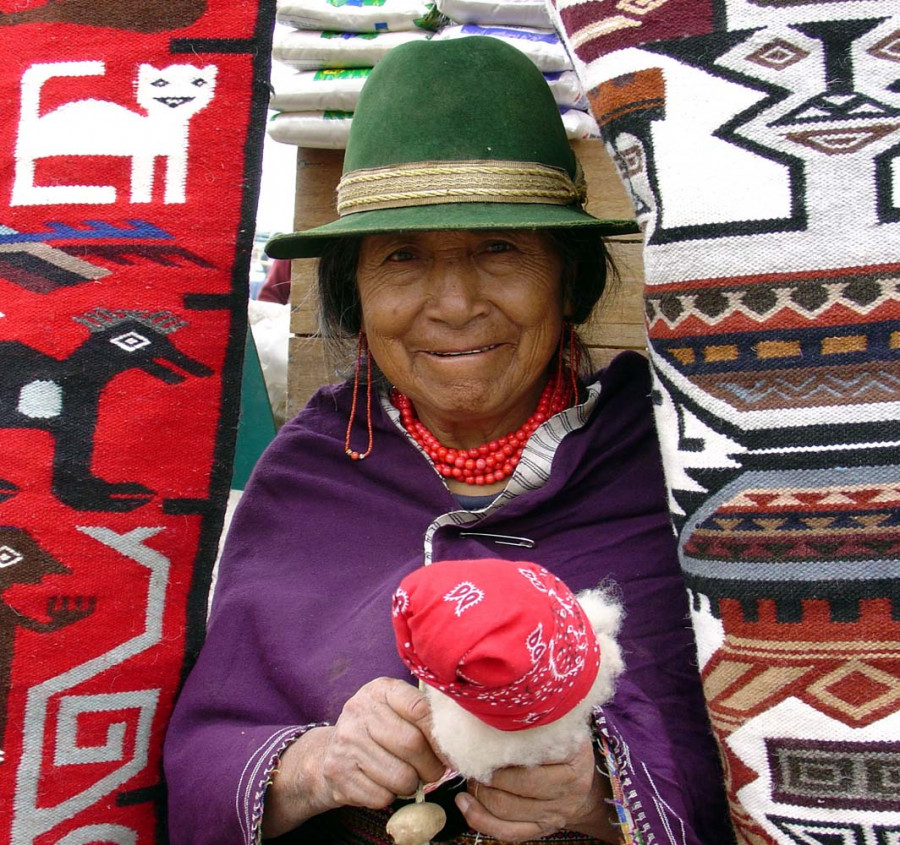
As one of the smallest countries on the South American continent, mainland Ecuador is incredibly varied and full of natural formations. It can be divided into three different types of terrain: the central highlands (La Sierra), the Amazon region (Oriente) and the coast.
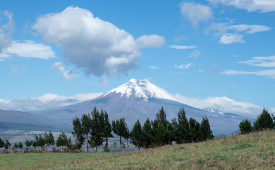
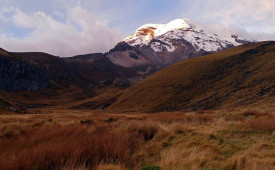
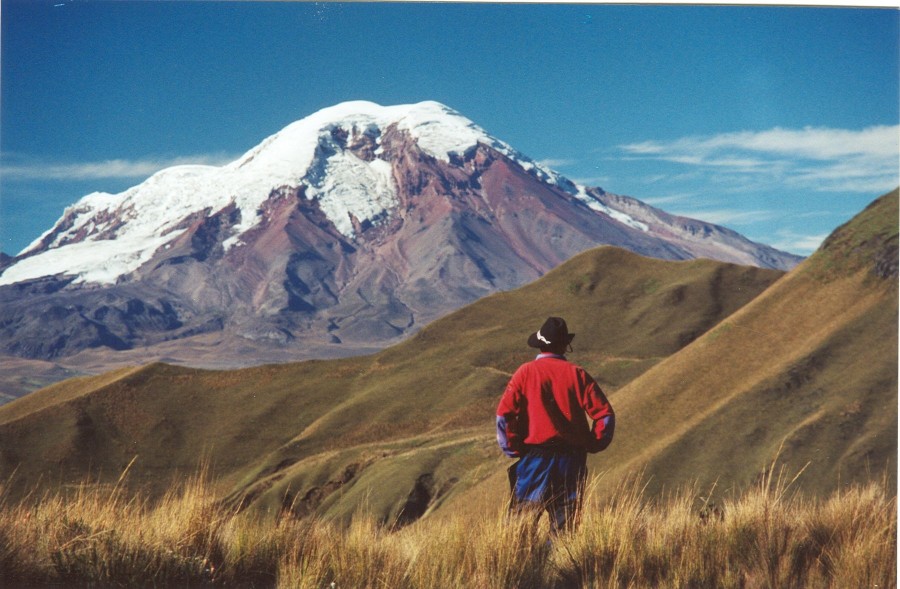
The equator runs through the centre of Ecuador (hence its name), and the Andes run the full length of the mainland, with snow-capped volcanoes and several peaks over 5,000 metres. The coastal region extends from the Andes to the Pacific, and is made up of fertile plains and stunning valleys. The Amazon region lies in the eastern part of Ecuador, extending into Brazil and Peru. Like much of the rainforest, this area is incredibly sparsely populated and is made up of several parks and reserves, which were created to protect the ecosystemThe largest concentration of Ecuadorians are found in the two largest cities: the commercial heart of Guayaquil and the capital city of Quito.
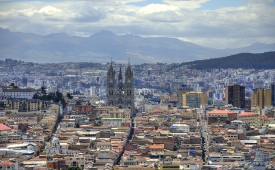
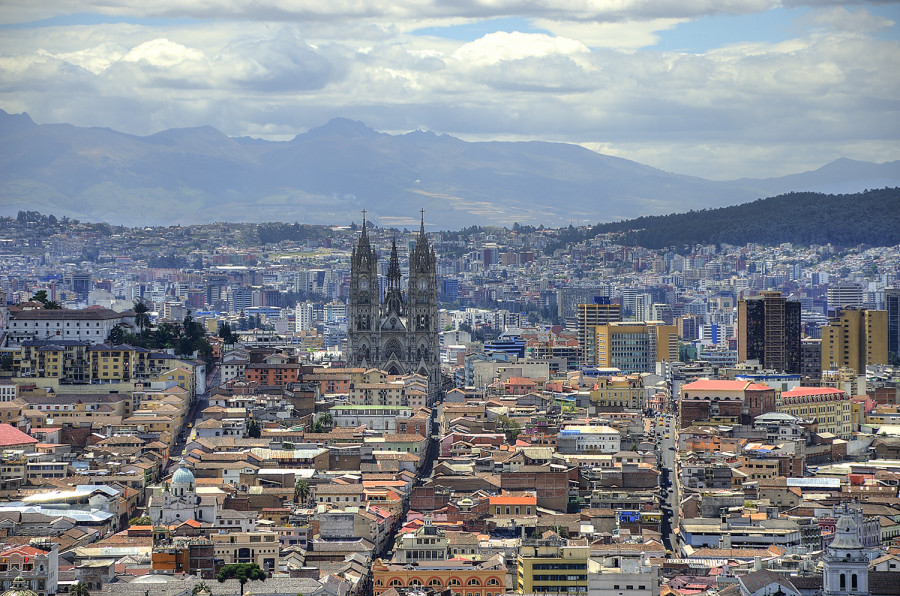
Quito is the starting point for many trips to the mainland. The city is divided into the colonial old town and the modern new town. Quito is renowned for having one of the least altered and best-preserved historic centres in Latin America, according to UNESCO. Some of Quito’s main attractions include the Plaza de la Independencia, La Compañia church, Panecillo hill, San Francisco monastery, La Ronda street and the equatorial Mitad del Mundo monument on the outskirts of the city.
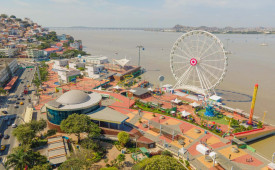
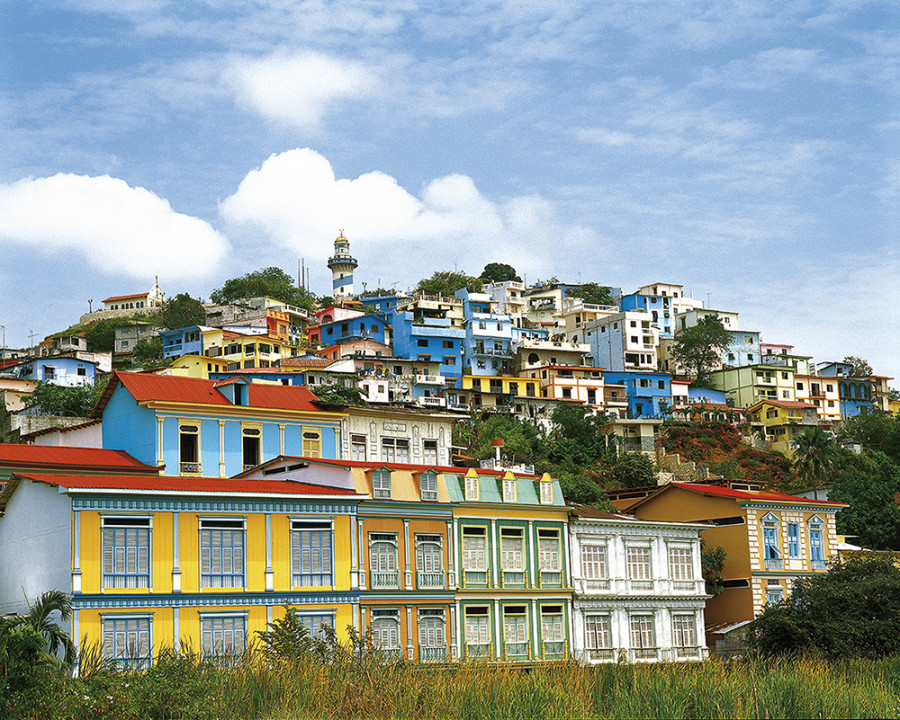
Known as the ‘Pearl of the Pacific’, Guayaquil is the country’s main port, handling exports such as bananas, shrimp, cocoa and coffee. The city is made up of the riverfront promenade and a hill lined with colourful houses and cafes, with 444 steps leading up to Santa Ana where you can find the old lighthouse, chapel and panoramic views. There is also Parque Bolivar, where metre-long iguanas roam around.
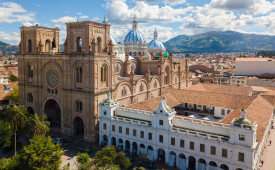
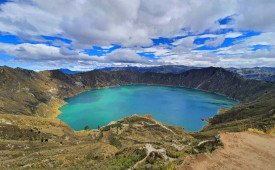
300 miles south of Quito, Cuenca is a colonial city full of squares, museums, churches and two cathedrals on the main square. Cuenca is also one of Ecuador’s primary centres for the panama hat industry, and the factory shops can be visited on a guided tour. Situated just outside of Cuenca, Cajas National Park is an area of stunning mountain wilderness, with over 700 lakes at high altitude.
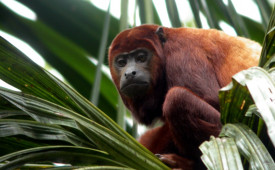
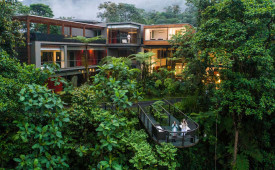
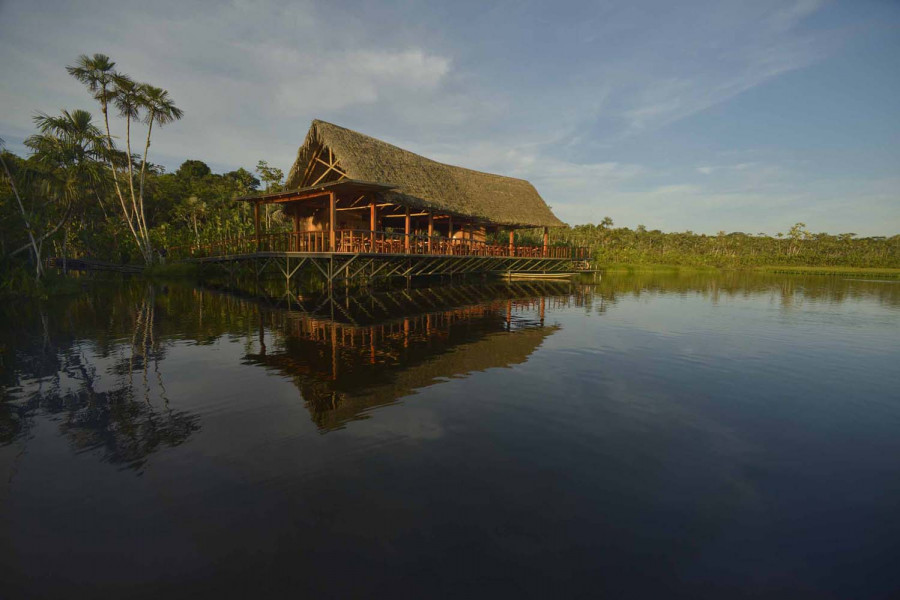
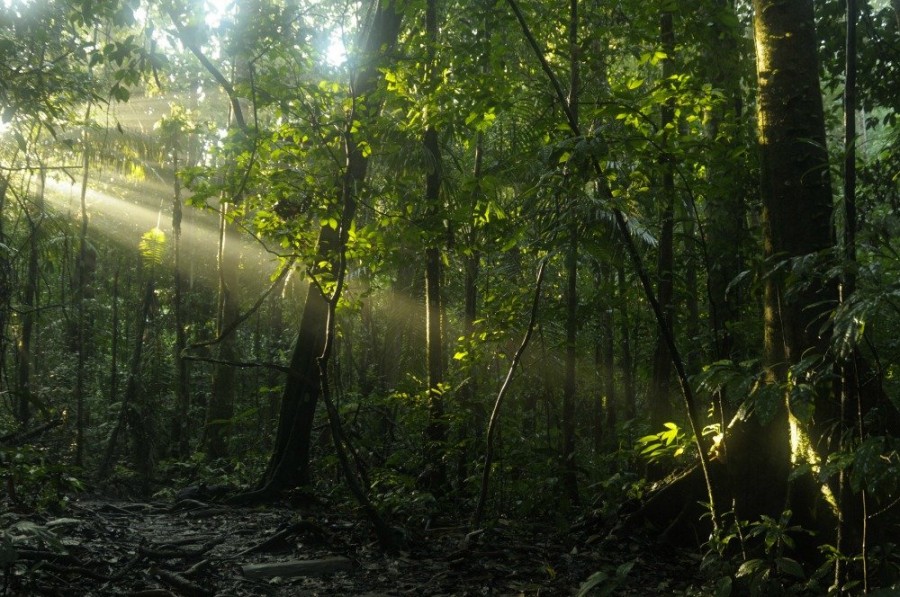
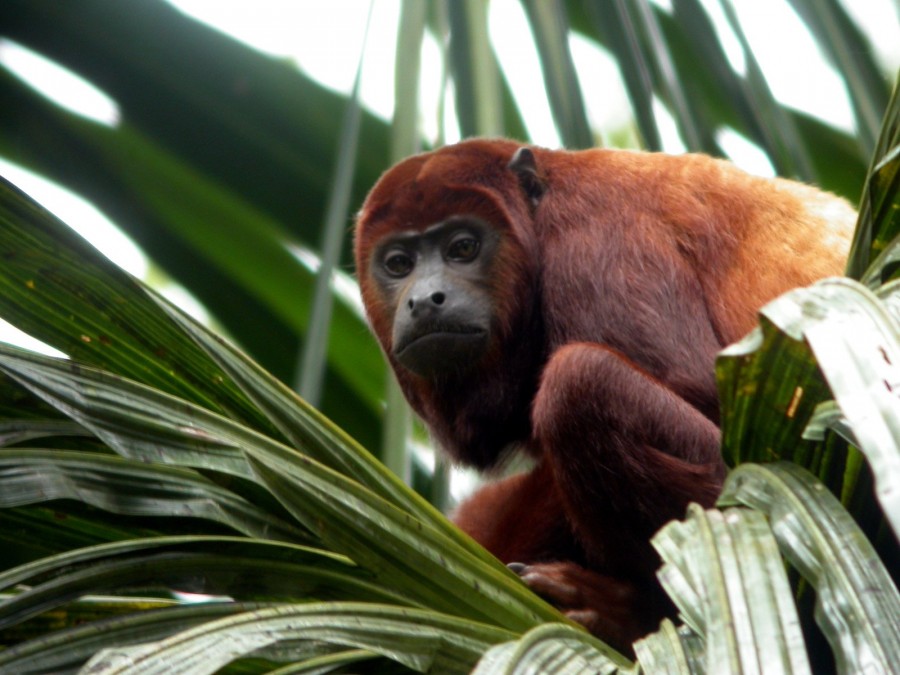
You can visit some of the Amazon rainforest’s best-preserved areas in Ecuador, with a series of excursions such as jungle walks, canoe trips and visiting local communities. There are a range of lodges to stay at, all located on tributaries of the Napo River.
There are no direct flights operating between the UK and Ecuador; an indirect option to Quito with a layover in the US tends to take between 13 and 15 hours. On arrival, Ecuador is 6 or 7 hours behind the UK, depending on the time of year. A stay in Quito is a good opportunity to adjust to the time difference.
Our Ecuador FAQs answer the most common queries we hear from customers considering a holiday to Ecuador. If you are ready to explore our small group, great value tours of Ecuador, you can do so here.
The Galapagos Islands
Visiting Ecuador is an outstanding opportunity to combine the beauty of the Andes with the amazing nature of the Galapagos and the Amazon. The Galapagos Islands are famous as the islands that led to the Theory of Evolution. Today, visiting the islands and swimming in the surrounding waters, you can see the same wildlife that Charles Darwin saw on the Beagle in the 19th century.
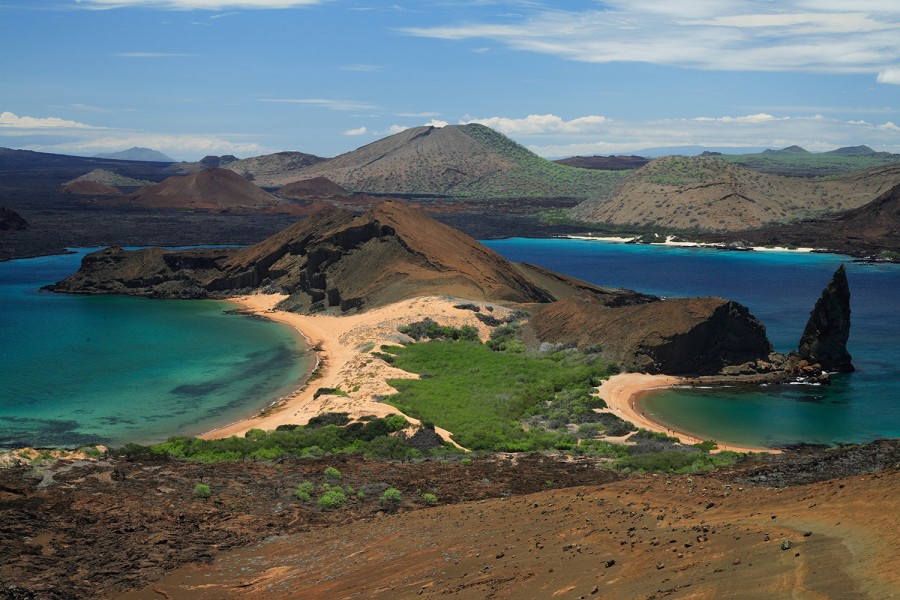
The islands themselves are volcanic, and each is unique. As the islands were never connected to the mainland, the animals that made it to the Galapagos Islands were completely isolated. The islands are located 1,000km west of the mainland, almost exactly on the equator. The main activities on the island are tourism and fishing, and there is sometimes friction between the two activities. There are approximately 16,000 inhabitants on the different islands, living in 8 main towns.
A cruise visiting several islands is the best way to see a wide range of wildlife and the diversity of the Galapagos Islands. This allows you to visit different islands, including the more remote ones, as well as visit the islands early in the morning, one of the best times for observing the wildlife.
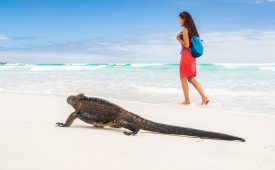
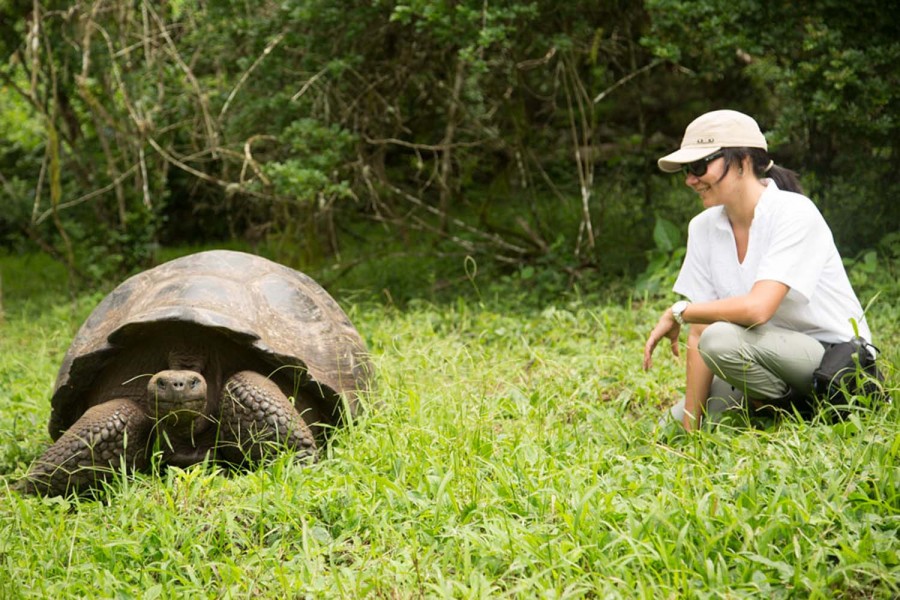
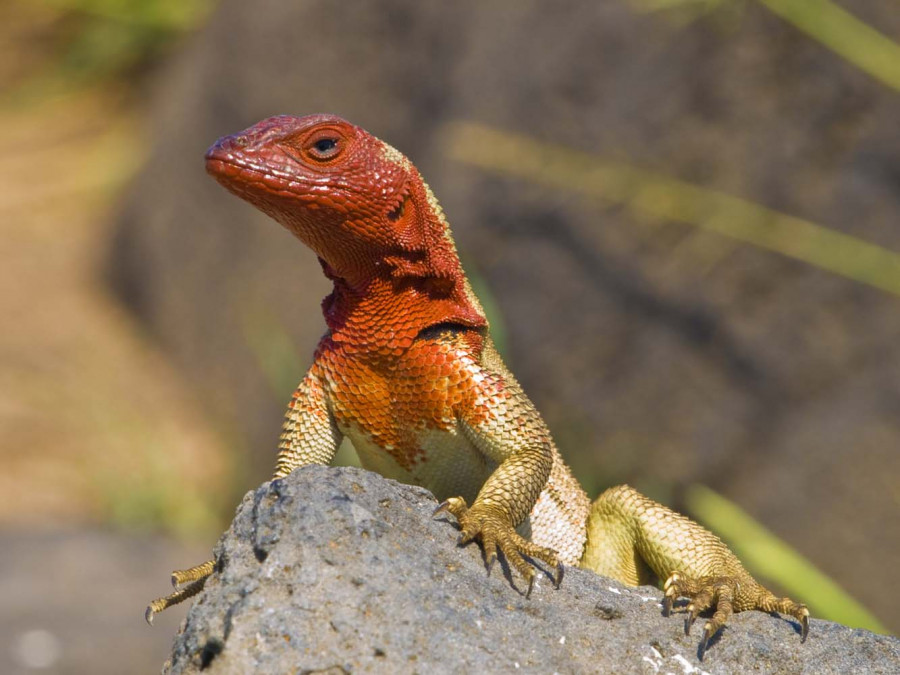
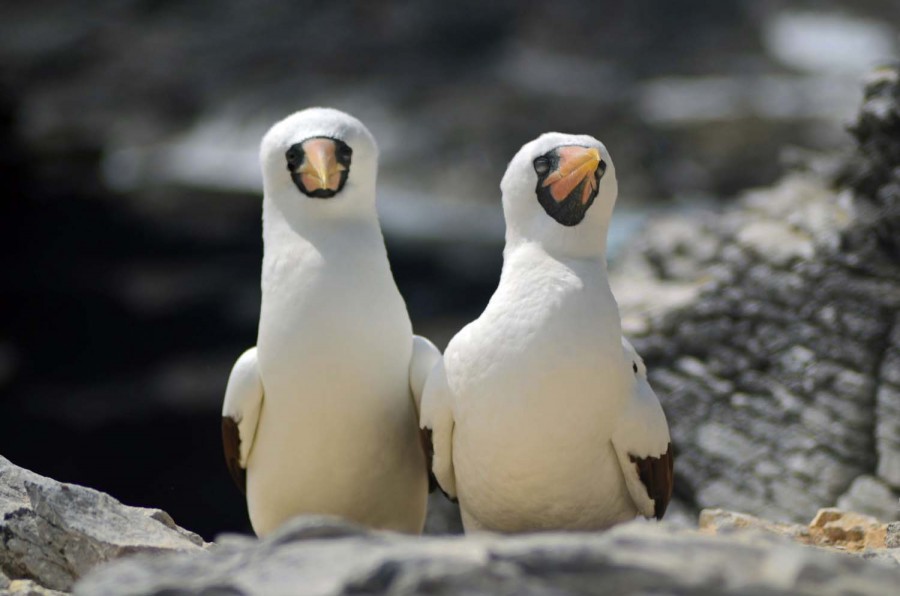
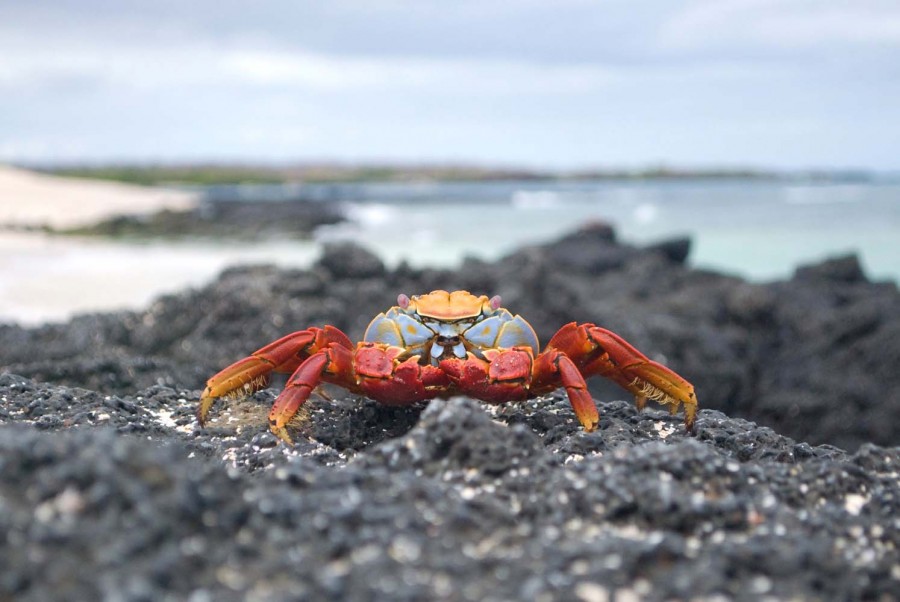
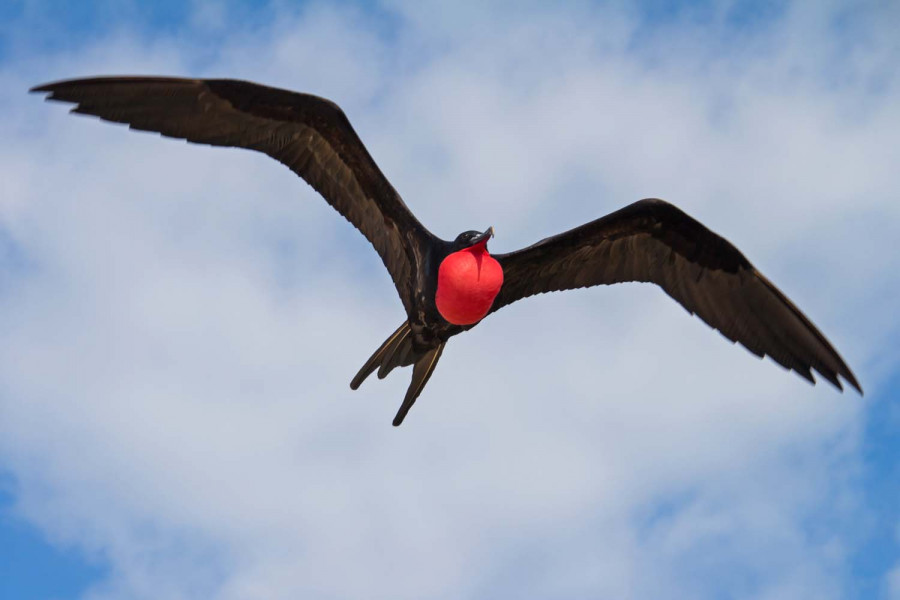
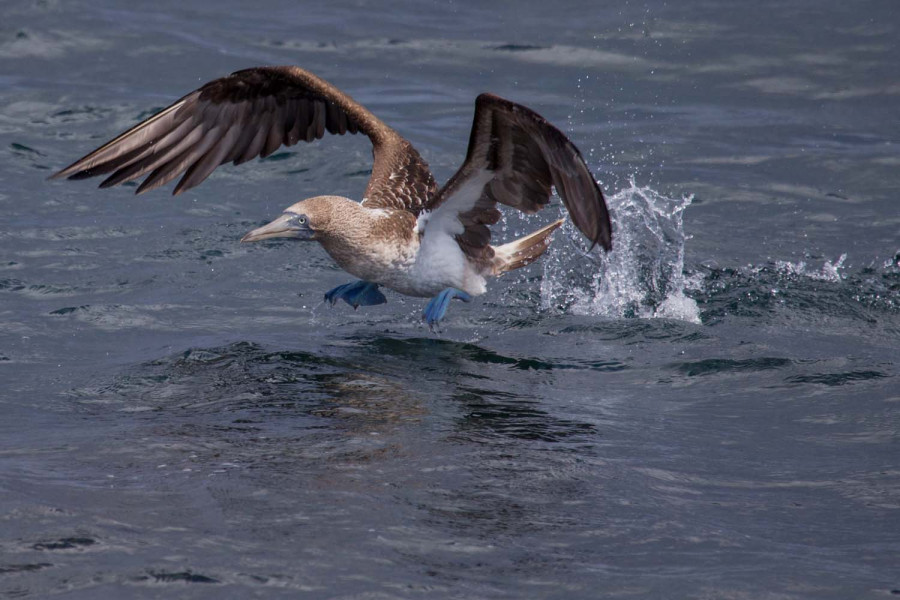
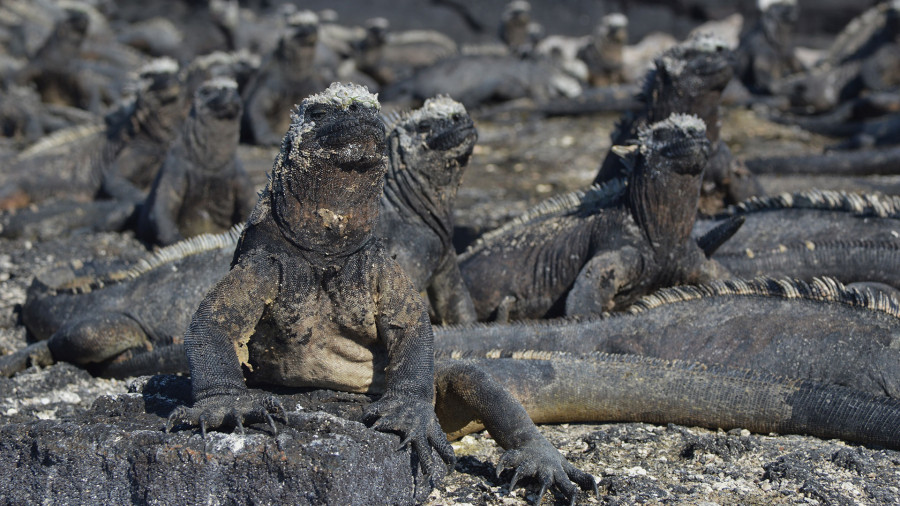
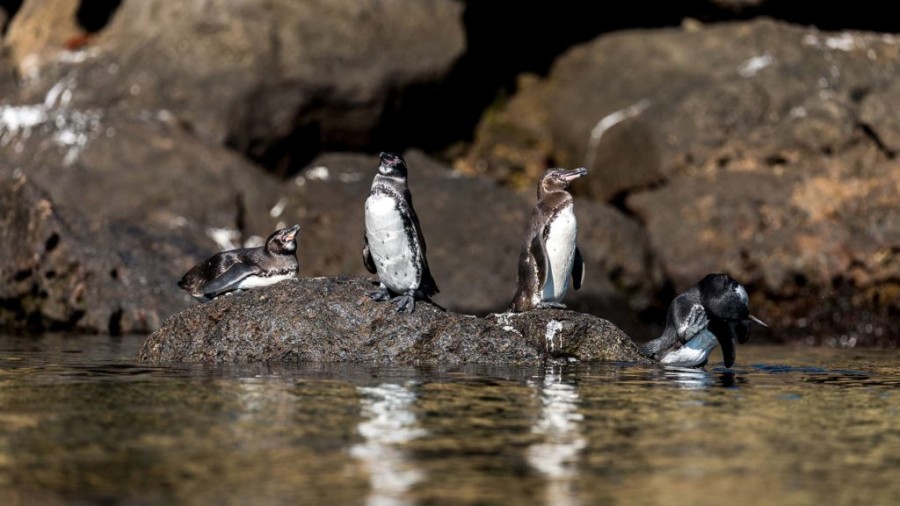
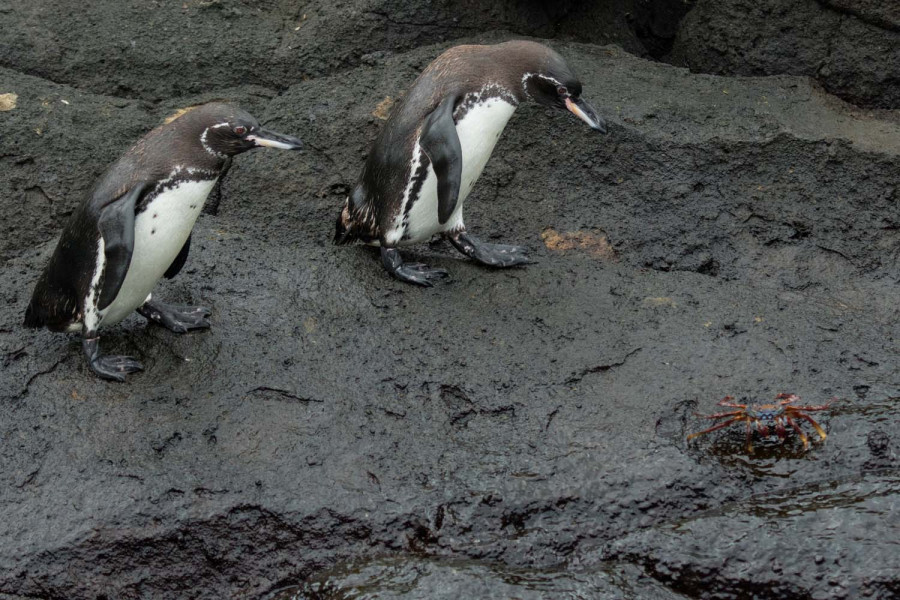
As there are no natural predators on the islands, the wildlife is not afraid of humans. This way, you have the opportunity to observe different land and marine creatures, as well as birds, at incredibly close quarters. Some of the wildlife you are likely to see on the Galapagos Islands include frigate birds, Galapagos penguins, sea lions, flightless cormorants, turtles, giant tortoises, land and marine iguanas, dolphins, sharks and three species of booby. Click here to learn more about the wildlife on the islands.
The onward journey to the Galapagos Islands from Quito tends to take between 2 and 3 hours. The islands share a time zone with mainland Ecuador, meaning they are 6 or 7 hours behind the UK, depending on the time of year.
Our Galapagos Islands FAQs answer the most common queries we hear from customers considering a holiday to Galapagos Islands. If you are ready to explore our small group, great value tours of the Galapagos Islands, you can do so here.
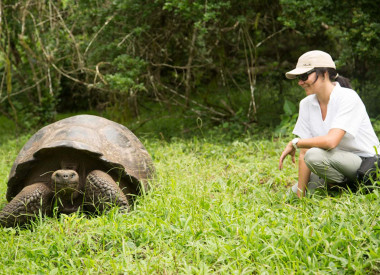
Giant tortoise, Galapagos Islands