
-
Latin America
Latin America
- Countries (hidden space)
- Galapagos & Ecuador
- Guatemala
- Mexico
- Panama
- Peru
- Popular Attractions
- Machu Picchu
- Inca Trail
- Easter Island
- Galapagos Islands
- Patagonia
- Rio de Janeiro
- Iguazu Falls
-
Africa
Africa
- Spacer Africa
- South Africa
- Zimbabwe
- Popular Attractions
- Cape Town
- Okavango Delta
- Sossusvlei Dunes
- Victoria Falls
- The Kruger
- The Garden Route
- Masai Mara
-
Asia & Middle East
Asia & Middle East
- Asia
- Borneo (Malaysia)
- Cambodia
- India
- Japan
- Middle East
- Jordan
- Spacer Asia
- Laos
- Sri Lanka
- Uzbekistan
- Vietnam
- Popular Attractions
- Taj Mahal
- Lion Rock (Sigiriya)
- Angkor Wat
- Ha Long Bay
- Kyoto
- Petra
-
Destinations
- Latin America
- Argentina
- Bolivia
- Brazil
- Chile
- Colombia
- Costa Rica
- Galapagos & Ecuador
- Guatemala
- Mexico
- Panama
- Peru
- Asia
- Borneo (Malaysia)
- Cambodia
- India
- Japan
- Laos
- Sri Lanka
- Uzbekistan
- Vietnam
- Middle East
- Jordan
- Southern & East Africa
- Botswana
- Kenya
- Namibia
- South Africa
- Zimbabwe
- Contact Us
-
About
About
Llama Travel provides high quality holidays at the lowest possible prices.
99% recommend us Lower prices - guaranteed Financially protected by ATOL
Important Notice: Travelling to and via the Middle East. Click Here

Customer Feedback
See all Llama Travel reviews
Grand Tour of Laos, Cambodia and Vietnam
Mr & Mrs R
Our second fantastic holiday experience with Llama Travel. We will definitely look to travel with you in the future.
Special promotions
See all our special promotionsBlogs
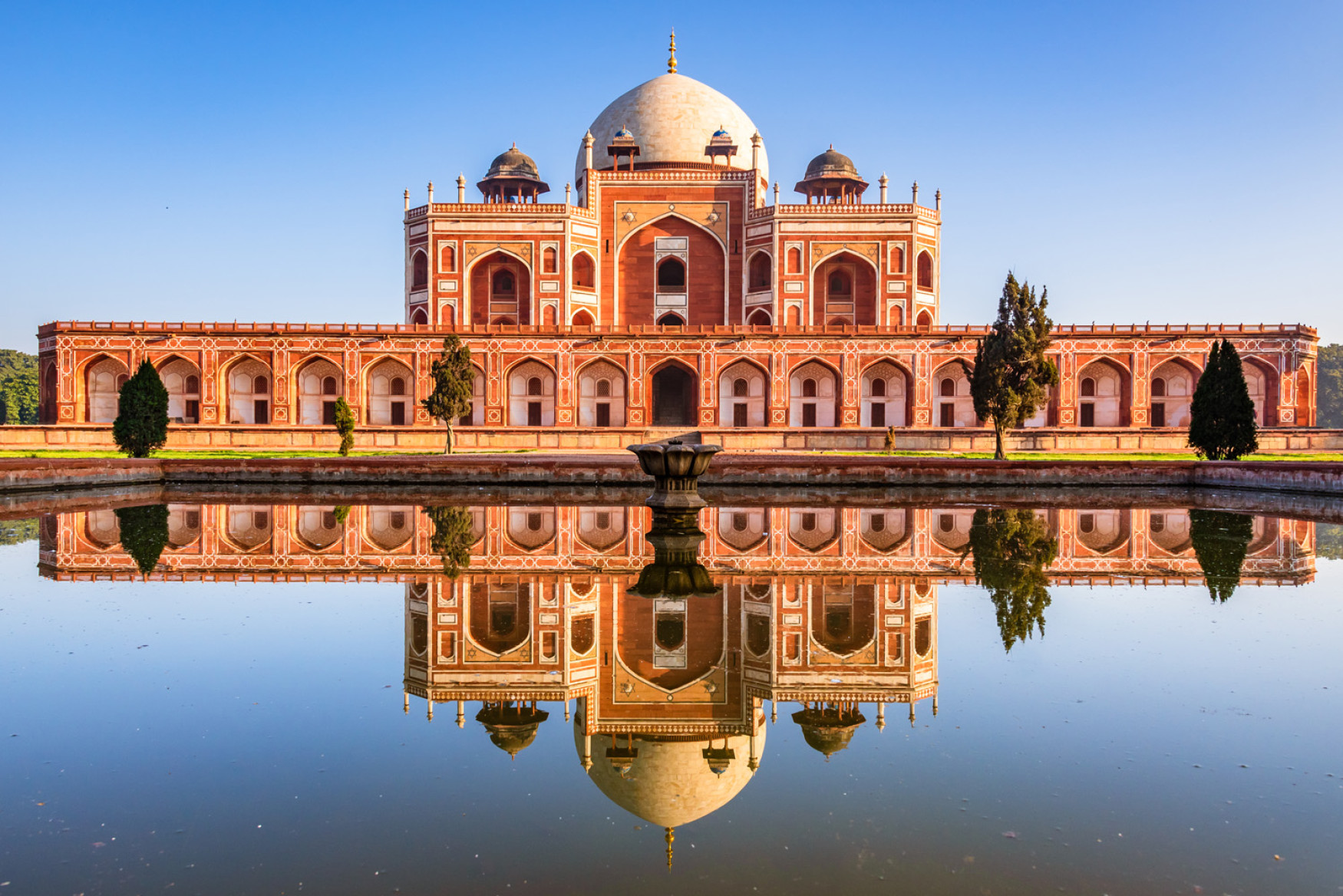
Thinking of travelling to India?
From the Taj Mahal to Rajasthan’s royal palaces and the Himalayan Foothills, India offers an unforgettable mix of colour, culture and contrasts. Whether you’re planning your first Golden Triangle tour or returning to explore further, our FAQs answer the most common questions about travelling to India from the UK.
If you’re still deciding where to go, take a look at our India holidays, including Shimla & Himalayan Foothills, Goa Beach, the Sacred Ganges, and Amritsar extensions.
Before You Go
Q: Do I need a visa to travel to India from the UK?
A: Yes, all visitors to India, including British citizens, require a visa to visit India. Most travellers apply online for an eVisa through the official government website https://indianvisaonline.gov.in/evisa/. An eVisa can be obtained online between 4 days and 30 days prior to arrival, for which there is a cost. We recommend applying for this as early as possible (but not earlier than 30 days before arrival) as the process can be more complicated than for some other countries and specific documents and information are requested. Approval is normally emailed within a few days - print this confirmation to show on arrival.
In addition to the eVisa, you will also need to complete an eArrival card online within 72 hours prior to your arrival in India, at https://indianvisaonline.gov.in/earrival/ . Once you have submitted the eArrival card, a pdf of your submission should automatically be generated. We recommend you print this out or save this to your phone.
Q: What vaccinations do I need for India?
A: For the most up-to-date guidance, visit NaTHNaC or speak with your GP or a travel health clinic before travelling.
Q: What should I pack for a holiday in India?
A: Pack light, breathable clothing such as cotton shirts, loose trousers and long skirts to stay cool and comfortable. A scarf or pashmina is useful for visiting temples, where modest dress is expected. Men should also avoid sleeveless tops or shorts that expose the knees. Comfortable footwear is essential, as you’ll often remove your shoes in temples.
If you’re travelling in the north of India between December and February, bring a jumper or fleece for cooler evenings. In Shimla, temperatures can drop sharply in winter, and snow is possible, so warm clothing is essential. During the monsoon season (June to September), a rain jacket is useful.
Insect repellent is advisable, especially when visiting Ranthambore. Electricity in India is 230V. Most sockets are D-type (3 round pins). We recommend you carry a copy of your passport with you at all times. Please bring any medication you may require from the UK. Sunscreen and hand sanitiser are also always good to have on hand.
Practical Information
Q: What’s the weather like in India?
A: India’s climate varies widely across the country, so the best time to visit depends on where you’re going. In the north, including Delhi, Agra and Rajasthan, the most pleasant weather is from October to March, with warm days and cooler evenings. From April to June, temperatures rise and can be very hot before the monsoon arrives.
In the south, the climate is generally warmer year-round, with the monsoon bringing heavy rain between June and September. Hill stations such as Shimla are cooler, especially from December to February, when evenings can be cold and snow is possible.
Q: What should I know about local customs and etiquette?
A: Modesty is valued in India, particularly in rural areas and places of worship. Shoulders and knees should be covered, and shoes removed before entering temples or private homes. Public displays of affection are rare.
Nevertheless, you may find that locals are very friendly and curious, and it’s common for people to ask where you’re from or even request photos. Personal space is less defined than in the UK, so people may stand closer during conversations. This is normal and well-intentioned.
Q: Is English widely spoken in India?
A:Yes. English is widely used in hotels, restaurants and tourist areas, and tourist guides will speak good English. India has 22 official languages and hundreds of regional dialects, so many people speak their local language at home. However, anyone working in tourism is likely to speak English. Learning a few simple Hindi words, such as namaste (hello) and dhanyavaad (thank you) is always appreciated.
Q: What is the tipping culture in India?
A: Tipping is common and appreciated. Around 10% is suitable in restaurants (unless a service charge is included). For guides and drivers, £2–3 per person per day is a good guideline on a group tour. Small tips for porters or hotel staff are also welcome. Your guide can help with local norms if you’re unsure.
Health and Safety
Q: Is India safe to travel to?
A: Yes. India is generally safe for visitors, including solo travellers, particularly when travelling with an organised tour like Llama Travel’s. We work only with trusted local partners, experienced drivers and carefully chosen hotels to ensure comfort and security. As anywhere, keep an eye on your belongings, avoid isolated areas after dark and follow your guide’s advice. If you ever need help, our local representatives are always available.
Q: What happens if I get ill while in India?
A: Minor stomach upsets can happen when adjusting to new food or climate. Eat freshly cooked food, avoid raw salads, and drink bottled or filtered water. If you do feel unwell, hotels can arrange a doctor, and there are good private hospitals and clinics in most cities. Always travel with comprehensive insurance covering medical treatment and repatriation. Keep your policy details handy and let your guide know if you need assistance.
Connectivity and Communication
Q: What are the options for mobile data and SIM cards?
A: Staying connected in India is straightforward. If your UK mobile provider includes India in its roaming plan, you can use your phone as usual. Otherwise, consider an eSIM such as Airolo, or purchase a local SIM card from networks such as Jio, Airtel or Vi. You’ll need your passport and visa details for registration, which your guide can help with. Wi-Fi is widely available in hotels and many cafés.
Getting Around
Q: How do I get around in India?
A: Getting around India is part of the adventure. Travelling by train or road offers a closer look at everyday life and the country’s changing landscapes. However, roads can be busy, and journeys may take longer than expected, with everything from tuk-tuks to cows sharing the way. Roads between major cities are generally good, though driving conditions can vary. Many travellers prefer to hire a car with a driver or join an organised tour for comfort and peace of mind. With Llama Travel, you’ll travel in private air-conditioned vehicles with experienced local drivers, ensuring a smooth and comfortable journey between cities.
Domestic flights are the quickest way to cover long distances, with good connections from Delhi and Mumbai to most parts of the country. However, flights between smaller cities often route through one of these hubs, so journey times can be longer than expected.
India’s rail network is one of the largest in the world, carrying millions of passengers every day and reaching almost every corner of the country. Travelling by train is a memorable way to experience India’s culture and scenery. Major stations can be busy and lively places, with clear signage in English, porters to help with luggage, and separate areas for reserved ticket holders.
Trains range from modern express services to slower local routes. Express and Superfast trains, such as the Shatabdi and Rajdhani Express, are fast and comfortable, often including meals. Mail and Passenger trains are slower and used mainly by locals. Carriages vary in comfort: First AC offers private cabins, AC 2-Tier and AC 3-Tier have sleeping berths, and AC Chair Class is ideal for daytime journeys. Sleeper Class is more basic, and General Class is unreserved and often crowded.
The Shimla Toy Train is one of India’s most famous and scenic rail journeys. Built during the British Raj, it winds slowly through forests, tunnels and mountain villages as it climbs to the hill station of Shimla. The ride is slow and the carriages basic, with simple seating and limited facilities, but it’s a charming, historic experience and a wonderful way to enjoy the Himalayan foothills.
Train tickets should always be booked in advance, either online at irctc.co.in/nget/ (which opens for sale 30 days before departure) or through a travel company such as Llama Travel.
Food and Drink
Q: What’s the food like in India?
A: Indian food is wonderfully varied, with each region offering its own specialities. In the north, try creamy butter chicken, paneer curries and fresh naan bread. Rajasthan is known for rich dishes like dal baati churma, while the south features lighter, coconut-based curries, crisp dosas and lentil stews. Street food is delicious but best enjoyed at reputable stalls or with your guide’s advice. Vegetarians are well catered for throughout India, and hotels usually provide both local and Western options. Don’t leave without trying a cup of masala chai, the sweet spiced tea served everywhere from roadside stalls to palace hotels.
Q: Can I drink tap water in India?
A: Always drink bottled or filtered water and avoid ice unless you’re sure it’s made from purified water. It’s safest to avoid tap water. Drink bottled or filtered water, which is widely available, and use it for brushing your teeth. Many hotels now offer refill stations to reduce plastic waste.
Q: Can I drink alcohol in India?
A: Yes, alcohol is available in most hotels and restaurants, though some states, such as Gujarat and Bihar, have restrictions. Beer, gin and whisky are common, while wine is less widely available. Always check local regulations, and note that some hotels do not serve alcohol during religious holidays.
What to See
Q: What is India’s Golden Triangle?
A: The Golden Triangle is India’s most popular travel route, linking Delhi, Agra and Jaipur in a circuit of around 720 kilometres. It’s the perfect introduction to northern India, combining magnificent architecture, rich history and vibrant local life, all within easy travelling distance of each other.
Most travellers begin in Delhi, India’s bustling capital, where Mughal and colonial landmarks stand alongside modern India. Highlights include Humayun’s Tomb, Qutub Minar, India Gate and the lively markets of Old Delhi. From Delhi, it’s about four hours by road to Agra, home to the world-famous Taj Mahal, best seen at sunrise, and the impressive Agra Fort.
From Agra, it’s around five hours by road to Jaipur, known as the Pink City. Here you’ll find the Amber Fort, the ornate City Palace, and the Hawa Mahal (Palace of Winds), along with colourful bazaars selling jewellery, textiles and crafts.
Many travellers extend their journey to include Ranthambore National Park, about three and a half hours from Jaipur, for a chance to see Bengal tigers and other wildlife on safari.
A typical Golden Triangle trip lasts seven to ten days, with two or three nights in each destination. Llama Travel’s Taj, Tigers & Temples of India holiday follows this route, combining the highlights of Delhi, Agra and Jaipur with two nights in Ranthambore National Park for a well-rounded and memorable first visit to India.
Q: How many days do I need for the Golden Triangle?
A: A week is ideal to explore the Golden Triangle comfortably, usually three nights in Delhi, one in Agra and three in Jaipur. Adding Ranthambore requires an extra two nights to allow time for safaris and relaxation.
Q: Where should I go in Rajasthan?
A: Rajasthan is one of India’s most fascinating regions, known for its grand forts, palaces and desert landscapes. Many travellers extend their Golden Triangle journey to explore more of this colourful state.
From Jaipur, it’s about six hours by road to Jodhpur, known as the Blue City for its painted houses. Dominated by the Mehrangarh Fort, Jodhpur offers incredible views across the old town and a mix of history, markets and local life.
From Jodhpur, it’s around five hours to Udaipur, often called India’s most romantic city. Set around Lake Pichola, Udaipur is famous for its City Palace, tranquil boat rides and ornate havelis. Many visitors spend time relaxing here at the end of their trip.
Travelling between Rajasthan’s cities reveals the quieter side of India, with small villages, camel carts and colourful roadside markets. Those with more time can also visit Jaisalmer, on the edge of the Thar Desert, to explore its golden fort and take a short camel ride among the sand dunes.
Q:Where should I go in the Himalayan foothills?
A: The Himalayan foothills offer a peaceful contrast to northern India’s busy cities, with cooler air, pine forests and colonial charm. The main place to visit is Shimla, once the summer capital of British India, set high in the hills at around 2,200 metres. It’s known for its grand architecture, mountain views and relaxed pace of life.
Nearby hill towns such as Kufri and Chail are also worth exploring for their scenic walks and quiet atmosphere, and the journey to Shimla itself, often taken on the historic Shimla Toy Train, is one of India’s most beautiful railway routes.
This region is best visited from March to June and September to November, when the weather is clear and pleasant. From December to February, temperatures can drop and snow is possible, but it is still a good time to travel.
Q: Where should I go in Goa?
A: Goa, on India’s west coast, is the country’s most popular beach destination and the perfect place to relax after exploring northern India. The region is known for its palm-fringed beaches, Portuguese-influenced towns and laid-back atmosphere.
The main choice is between North Goa and South Goa. North Goa is livelier, with markets, beach cafés and a wider range of restaurants and nightlife. South Goa is quieter, with long sandy beaches, small fishing villages and boutique resorts ideal for unwinding at the end of your trip.
The best time to visit is from November to March, when the weather is dry and sunny.
Still have questions about travelling to India?
Our team is happy to help. Call us 020 7263 3000 or explore our India holidays to start planning your trip.
Published in
Advanced page template
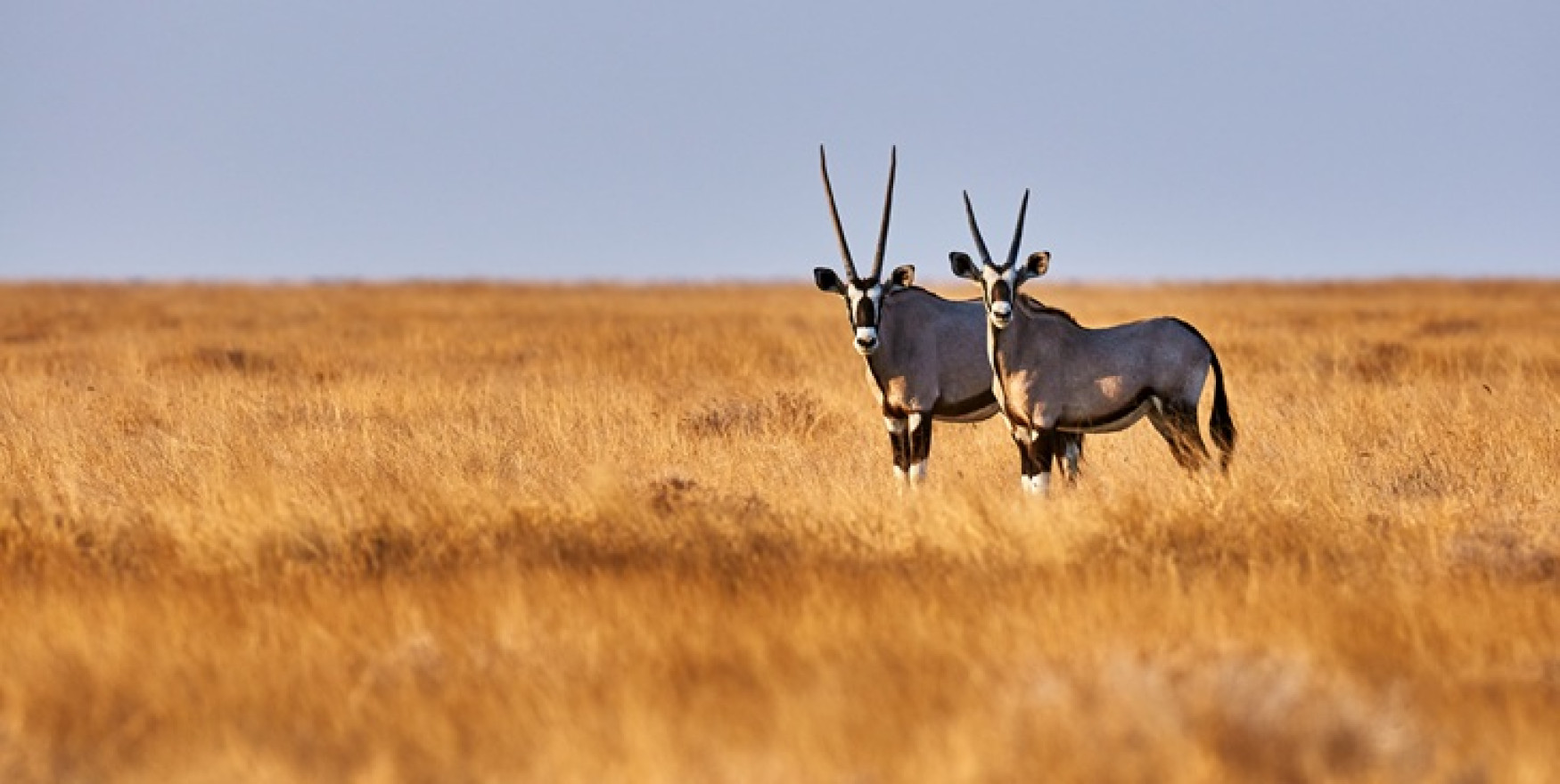
Thinking of travelling to Namibia?
Namibia is a vast country of wide-open spaces, striking landscapes and big skies. Those incredible landscapes are matched by endless wildlife and exceptional conservation projects, meaning its lion, elephant, cheetah, giraffe and rhino populations are vast.
Despite not earning the plaudits of safari destinations like Kenya or South Africa, Namibia is one of Africa’s best-kept secrets, and its natural sights and experiences rival or surpass those of other destinations in many instances.
Whether Namibia is a new destination for you or you are a returning visitor, the FAQs below hope to answer the most common queries relating to travelling to Namibia from the UK.
Llama Travel has over half a decade of experience in selling holidays to Africa, and many of our Travel Experts have travelled extensively in Namibia. If you’d like further help to plan your holiday from one of our Namibia experts, contact us here or order a brochure for more details on our Namibia holidays.
Before You Go
Q: Do I need a visa to travel to Namibia from the UK?
A: British citizens require a visa to enter Namibia. You can apply for the visa in the weeks before you fly or upon arrival. The visa is valid for 90 days. Whichever way you choose to apply, there is a fee associated: a flat rate of around £70. Visitors are recommended to apply before arrival to avoid potential delays.
The UK Foreign, Commonwealth & Development Office’s up-to-date travel advice for Namibia is regularly updated with entry criteria and advice about travelling to specific parts of Namibia.
Q: What vaccinations do I need for Namibia?
A: There are no mandatory vaccinations for travellers flying directly from the UK. We always recommend that your routine UK vaccinations are up to date.
Your GP or travel health clinic may suggest certain vaccinations like Hepatitis A/B or Tetanus, depending on your planned holiday activities and itinerary. Visit the National Travel Health Network and Centre (NaTHNaC)’s TravelHealthPro website for specific advice.
There is no risk of Yellow Fever in Namibia, but you will be required to show a Yellow Fever vaccination certificate if you have transited through a country with risk of Yellow Fever (such as Brazil or Ethiopia) for more than 12 hours.
Q: What should I pack for a holiday in Namibia?
A: When on safari, lightweight, neutral-coloured clothing is recommended. Long-sleeved shirts and trousers will help to protect you against mosquitoes. Loose-fitting clothes in natural materials like linen or cotton will help you stay cool during the daytime. Depending on when you are travelling, early mornings and late nights can get chilly, so a warm jacket will serve you well for morning game drives or evenings around a fire.
Some safari flights limit luggage beyond the standard 20-23kg allowance and require customers to pack soft luggage exclusively. On Llama Travel tours, transfers around Namibia are exclusively by land and, as such, there are no requirements of this kind in place.
For more safari-specific recommendations, read our full list of 10 must-haves on safari here.
In cities and during drives between destinations, comfort is key. It is unlikely that anywhere you visit on a holiday to Namibia will have a strict dress code in place, but some restaurants may expect smart-casual dress.
Travel essentials like toiletries and a power adapter are, of course, recommended.
Q: What plug sockets do I need for Namibia?
A: Most sockets in Namibia are type M plugs, with three large round pins. Many travel adapters, including those advertised as ‘universal’, often do not include type M, so make sure to buy one with a type M configuration.
Namibia operates on a 220V-240V power supply, similar to the UK, so you won’t need a voltage converter.
Practical Information
Q: Where is Namibia, and which parts will I be visiting?
A: Namibia is situated on the Atlantic coast of Southwest Africa, bordering Angola to the North, Botswana to the East, and South Africa to the South.
The Namib Desert, the oldest in the world, stretches the entire length of the Atlantic coastline in Namibia. The Kalahari Desert spans much of Namibia’s eastern border with Botswana. The Central Plateau separates the deserts from north to south. A small tropical section in the northeast corner of Namibia is known as the Caprivi Strip, and extends to the Zambezi region.
Llama Travel tours include visits to several places across Namibia to capture the nation’s diversity.
Beginning in the nation’s capital, Windhoek (pronounced ‘vint-hook’) is a small oasis in the middle of the desert, and is a small, quiet city by most standards. The shadow of the city’s German colonial era looms large, but other aspects of its storied history also remain well-preserved.
The vast Kalahari region is a wildlife highlight; whilst not technically a desert in the purest sense due to its rainfall (above the 175 millimetre annual limit for ‘desert’ classification), the seemingly endless plains are home to over 320 species of birds and mammals. The region’s wonderful game drives and hiking trails have been key in cementing it as a key tourist destination in Namibia.
Sossusvlei (from the Nama word for dead-end, sossus, and the Afrikaans word for marshes), slightly inset from Namibia’s western coast, stands as perhaps the most impressive example of the Namib Desert’s characteristic orange dunes, petrified rock and dried marshes. The famed ‘Big Daddy’ dune stands at 325 metres and is often a challenging must-do for those, if conditions allow. The skeletons of 600-year-old camelthorn trees are a haunting highlight.
Coastal Swakopmund teems with character. As Germany’s only harbour in South West Africa during colonial times, it blends half-timbered German architecture with seaside promenades, the result of its popularity amongst local holiday-makers. A protected lagoon at Walvis Bay often hosts large flocks of flamingo and around 150,000 birds. Namibia’s west coast is known as the Skeleton Coast; ships were famously stranded at various points along the coast due to rough conditions. Many still stand and can be visited near Swakopmund.
Damaraland still carries the name originally given to the north-central part of modern-day Namibia. The scenic landscapes showcase unusual evolution as plants and animals have adapted to endure the harsh desert environment. The Twyfelfontein rock art is the continent’s largest concentration of rock art, with over 2,000 examples still visible today, the oldest of which is around 6,000 years old. Many of the cave paintings portray species which still roam Damaraland, like elephant, giraffe and rhino.
Etosha National Park is home to many species of game, including four of the Big Five (excluding buffalo), and the most typical African safari experience. Game drives will hope to showcase a taste of the incredible wildlife, with guides often stopping at waterholes to catch large gatherings.
As well as the nation’s highlights, Llama Travel tours of Namibia can be combined with extensions visiting Victoria Falls and Cape Town (or both!). You can view the full range of our Namibia tours here.
Q: What is the population of Namibia?
A: The population of Namibia is estimated to be around 3 million, making it one of the sparsely populated countries in the world.
Q: What is the capital city of Namibia?
A: Windhoek is Namibia’s capital. It is home to half a million people.
Q: What is the time difference?
A: Namibia is one hour ahead of the UK during British Summer Time from late March to late October. Between late October and late March (Daylight-Savings Time/DST), Namibia is two hours ahead.
Most Llama Travel tours of Namibia operate during British Summer Time, so Namibia will likely be one hour ahead of the UK during your holiday with us.
Q: How long does it take to fly from the UK to Namibia?
A: There are no direct flights from the UK to Namibia. The most convenient flight options tend to include a layover in Johannesburg. Including the connecting flight, this can take between 15 and 18 hours.
Q: What language is spoken in Namibia?
A: English is the official language of Namibia, and has been since the country gained independence in 1990. Oshiwambo, an indigenous language, is widely spoken by around half of Namibians, and Khoekhoegowab, famed for its distinctive ‘clicking’ noise, remains common among the Nama and Damara people.
Most airport and accommodation staff, guides and drivers (including all guides on Llama Travel tours of Namibia) are proficient in English.
Q: What is the currency in Namibia?
A: The national currency of Namibia is the Namibian Dollar. 100 Namibian Dollars is around £4.50. You can enquire about up-to-date exchange rates at your local currency exchange shop before your trip.
The South African Rand is widely accepted across Namibia, so if you are including a stay in Johannesburg or an extension to Cape Town, this may be a convenient option. The Rand is a similar exchange rate to the Namibian Dollar: 100 Rand is around £4.50.
Q: What’s the weather like in Namibia?
A: Namibia’s climate is generally very dry and pleasant. The cold Benguela current keeps the coast cool, damp and free of rain for most of the year.
Inland, all the rain falls in summer (November to April). January and February are hot, when daytime temperatures in the interior can exceed 40° C, but nights are usually cool.
Q: What should I know about local customs and etiquette in Namibia?
A: Namibia is a relatively relaxed place to visit—its melting pot of Afrikaner, Ovambo, Damara and German influences (among others) means there is no dominant religious or cultural customs to be aware of.
Much like travelling anywhere, courtesy and kindness will serve visitors well.
Littering is unacceptable wherever you are, but especially on safari. Travellers should leave places as they found them, and not disturb flora or fauna.
If you are visiting Namibia on a safari, the guide will inform you of specific safari etiquette.
The UK Foreign Office’s guidance on travel to Namibia is regularly updated with advice on local laws and customs.
Q: Is Namibia an LGBT+-friendly destination?
A: While attitudes towards lesbian, gay, bisexual and transgender (LGBT+) travellers vary globally, Namibia is relatively welcoming to visitors regardless of gender or sexuality, and is considered more LGBT+-friendly than many of its African neighbours. LGBT+ travellers can share rooms in all accommodations on Llama Travel tours.
We recommend LGBT+ travellers stay up-to-date with the FCDO’s advice here.
Q: Do I need to tip in Namibia?
A: Tipping good service is common practice in Namibia. Wages are low, so tips are even more valuable so that service staff can make up the shortfall in their earnings. Tipping 10-15% of the bill is standard.
Tips are less important for taxi drivers in Namibia, but we still recommend rounding up to the nearest ten or choosing an amount reflective of the distance of the journey and time of day. Hotel staff can be tipped at your discretion.
It is recommended to tip guides on safari in Namibia around US$10 per day.
Overall, you are welcome to tip in Namibian Dollar, South African Rand or US Dollar.
Q: What should I know about safari experiences in Namibia?
A: Namibia offers a very different kind of safari, combining great wildlife viewing opportunities with some of the continent’s most dramatic landscapes. Scenic drives between locations are as much a part of the adventure as the early morning game drives.
In Etosha National Park, due to the limited water, animals frequently gather around waterholes, so expect some of Namibia’s best game viewing across the vast plains here.
The vast plains of the Kalahari are a unique example of a semi-desert (with its annual rainfall slightly above the criteria for a true desert). Wildlife like ostrich, springbok and oryx have all adapted specially to the grassy plains, and the more than 150 bird species make this much more than a standard land safari.
Our blog is a great resource for insights into safari experiences. We have dedicated blogs about a typical day on safari (click here and a packing list (click here).
Click here to explore all of our blog entries about Namibia.
Health & Safety
Q: Is Namibia safe to travel to?
A: Namibia is a peaceful country with a relatively low crime rate, making it incredibly safe to travel to.
In busier areas like Windhoek, there is a slight risk of petty theft. Appropriate behaviour can prevent this: do not walk around with obvious signs of wealth like expensive-looking cameras or jewellery around your neck, and keep all valuables safely stowed away or in your hotel safe.
Following your guide’s safety briefings on safari and wildlife protocol will eliminate risk during your safari in Namibia.
Llama Travel’s booking conditions require all of our guests to have adequate travel insurance to ensure they are protected against the worst-case scenario when overseas.
The UK Foreign Office regularly updates its advice about safety while travelling in Namibia.
Q: What happens if I get ill while in Namibia?
A: Safari guides and staff in hotels will have first aid kits with basic medical supplies like plasters and bandages. If you require greater care, they will be able to arrange professional medical help.
Private hospitals across Namibia, especially those near Windhoek and Swakopmund, offer modern facilities and world-class care, comparable to UK standards. Most staff will speak English. We recommend you take out enough travel insurance to cover both in-destination care as well as emergency repatriation if needs be.
Availability and accessibility of prescription medication will vary across Namibia. It is recommended to bring enough of any prescribed medication to cover you for the full duration of your holiday, and perhaps extra just in case.
Q: Do I need travel insurance for Namibia?
A: Adequate insurance can protect travellers from having to cover the associated costs of illness, accidents, or emergency repatriation when abroad. It is part of Llama Travel’s booking conditions that our guests have adequate travel insurance.
Financially, your booking will be protected if it’s a package or ‘Flight-Plus’ holiday (meaning you booked a flight and one other component, like car hire) by ATOL package protections. Those cover holidaymakers if their airline, tour operator or travel agent goes bust. Travel insurance can further protect against trip cancellations for other reasons and other potential risks or incidents.
All Llama Travel holidays with flights are ATOL-protected, and holidays without flights are insured by IPP Ltd and its Panel of Insurers.
Connectivity and Communication
Q: How do I phone the UK from Namibia?
A: To phone the UK from Namibia, dial the international dialling code (0044) and then the UK telephone number, leaving out the ‘0’ in the area code.
Q: How do I phone Namibia from the UK?
A: To phone Namibia from the UK, dial the international dialling code for Namibia (0054) and then the Namibian telephone number, leaving out the ‘0’ in the area code.
Q: Will I get a phone signal while travelling in Namibia?
A: Namibian cities like Windhoek and Swakopmund are well connected, with a consistent 4G signal in most areas.
On the road and in national parks, signal will be less reliable, with vast ‘dead zones’ where no mobile connection will be available.
In safari areas like the Kalahari Desert or Etosha National Park, there will likely be no mobile reception due to the remote setting. Select accommodation may have WiFi for guests.
Q: What are the options for mobile data and SIM cards in Namibia?
A: For your time in the connected cities, a local SIM card is a good option. The two main options in Namibia are MTC and TN Mobile. MTC offers the widest coverage, potentially extending further into rural areas and certain parts of Etosha National Park. TN Mobile is more cost-effective, but coverage is limited to major towns, cities and roads.
If you are spending less time in the connected areas and just need a short-term mobile plan solution, or you want to be connected as soon as you arrive, eSIM providers Firsty, Airalo and Saily offer limited-time options, including 24-hour and 3-day eSIMs, covering calls, texts and international roaming for a certain period. While these options don’t require a physical SIM card, it is important to check that your phone is eSIM-compatible before purchasing one.
Getting Around
Q: How do I get around in Namibia?
A: Namibia is vast and sparsely populated. That makes getting around a real highlight of the trip—car journeys, for example, often showcase the beauty of the nation’s vast landscapes and plains. A 4x4 is recommended, as most of Namibia’s road network is gravel rather than tarmac.
On Llama Travel holidays to Namibia, transfers to and from the airport and excursions are included. These will likely take place on a standard minibus.
If you choose not to drive, getting around Namibia can be tricky. The Go2 Tourism Shuttle is one option. It is a hop-on, hop-off style shuttle connecting Windhoek, Sossusvlei, Swakopmund, Etosha and the Kalahari. The shuttle is comfortable, but with multiple stops, the route may not be the most efficient, and a communal vehicle often detracts from the unique immersion of a road trip.
The Desert Express from Windhoek to Swakopmund or Rovos Rail from Pretoria or Cape Town to Walvis Bay are more experiences than connections; the 11- or 12-night journeys are designed more as a safari-by-train than a journey from point A to point B.
Q: Is there public transport in Namibia?
A: Public transport in and around Namibia is incredibly limited due to the sparse population and vast distances between cities and towns.
Swakopmund is easily walkable due to its compact size and small-town feel. There are no buses around the city—select shared taxi services operate, but these are often outside of the official taxi network and routes and fares are unpredictable, so we don’t recommend these.
There is a city bus service in Windhoek, but the schedules often aren’t consistent or intuitive for tourists. Luckily, most tourist attractions are within walking distance of each other.
In all cities in Namibia, taxis are the easiest option to access local attractions which aren’t within walking distance. Hotel staff or Llama Travel reps can call a taxi for you and advise on approximate fees.
The Go2 Tourism Shuttle is one option for travelling between cities. The inter-city buses operate on a hop-on, hop-off style and a fixed route.
Food and Drink
Q: What’s the food like in Namibia?
A: Namibia is a very meat-oriented society, although there is a small vegetarian selection in most restaurants, and often a seafood option. Restaurants tend to be European in style, with a bias towards German dishes and seafood.
Swakopmund bustles with activity, and there are a range of places to eat and drink. Thanks to its coastal position, Swakopmund has excellent seafood restaurants serving fresh crayfish and mussels from the Skeleton Coast. The beachfront has many restaurants with scenic views.
On safari, due to the remote location, you will need to eat in your hotel, which will likely have a restaurant. For lunch, you can either buy some snacks to eat on route to your lodge or have lunch in the lodge restaurant upon return, although this can be quite late.
Q: Can I drink tap water in Nairobi?
A: Tap water is not safe to drink in Nairobi. Bottled water will be available in most shops and hotels, and on safari, your guide will likely supply bottled water.
Q: Is alcohol available in Namibia?
A: Alcohol is available in Namibia. Most hotels and restaurants are fully licensed, and liquor stores (like off-licenses in the UK) sell a variety of alcoholic beverages.
Q: What drinks are available in Namibia?
A: Thanks to its strong German heritage, beer is by far the most popular alcoholic drink in Namibia. The flagship beer, and perhaps Namibia’s finest export, is the Windhoek lager, which is the only brewery in sub-Saharan Africa still adhering to ‘Reinheitsgebot’, a German purity law which dictates that beer can only be made with malted barley, hops, water and yeast. Other widely available local lagers include Tafel, Hansa and Urbock.
Given Namibia’s proximity to South Africa, wine is also a popular option in most bars and restaurants. The nation even has a few boutique vineyards of its own.
Traditional beverages include Omagongo, a seasonal, wine-like delicacy made from the Marula fruit, and Oshkundu, a thick fermented drink made from pearl millet and sorghum.
What to See
Q: What are the highlights of Namibia?
A: As the name of our flagship tour, ‘Wildlife & Wilderness of Namibia’, suggests, wildlife and wilderness are the two major highlights of a holiday to Namibia.
The sheer abundance of wildlife in Etosha National Park and the Kalahari Desert, especially the herds that gather around the waterholes, serves as an incredible contrast to the vast plains.
Along the Skeleton Coast in Namibia’s north, many find the haunting shipwrecks and scattered whale bones a moving spectacle.
The scale of the highest dunes on Earth, found in Sossusvlei, must be seen to be believed. Scaling ‘Big Daddy’, the tallest of all the dunes, standing at over 300 metres tall, is considered a triumph by many.
Windhoek’s colonial charm and fantastic food scene set it apart from other African capital cities, and mean it warrants much more than a brief pit stop before heading out on safari.
Q: Will I see the Big Five in Namibia?
A: Etosha National Park is one of the great wildlife viewing locations in Africa, but it is not home to the traditional ‘Big Five’. Etosha’s ‘Big Four’: elephant, lion, rhino and leopard all inhabit the park and can often be sighted on game drives, but sadly, there are no buffalo in the park. Leopard are the most elusive of the park’s ‘Big Four’, but the population in Etosha remains stable and healthy.
Etosha is also home to antelope, zebra, giraffe, cheetah and over 340 different of species, more than making up for the lack of buffalo.
Q: How many days do I need to explore Namibia?
A: Two weeks in Namibia is required to cover the essential destinations across Namibia: Windhoek, the Kalahari, Sossusvlei, Swakopmund, Damaraland and Etosha National Park. Plenty of time is required to soak in the incredible wildlife and landscapes across Namibia; exploring at too quick a pace often means visitors miss out on those special, spontaneous moments that make it such a fantastic destination.
Our flagship Namibia tour spans 15 days to allow adequate time in each destination. Given Namibia’s proximity to Zimbabwe, many visitors choose to extend to include the incredible Victoria Falls. Our three-day extension to ‘Wildlife & Wilderness of Namibia’, which includes a trip to the Falls, strikes a perfect balance between exploration and relaxation.
Still have questions about travelling to Namibia?
Our team is happy to help. Call us on 020 7263 3000 or explore our Namibia holidays to start planning your trip.
Published in
Advanced page template
Tagged under
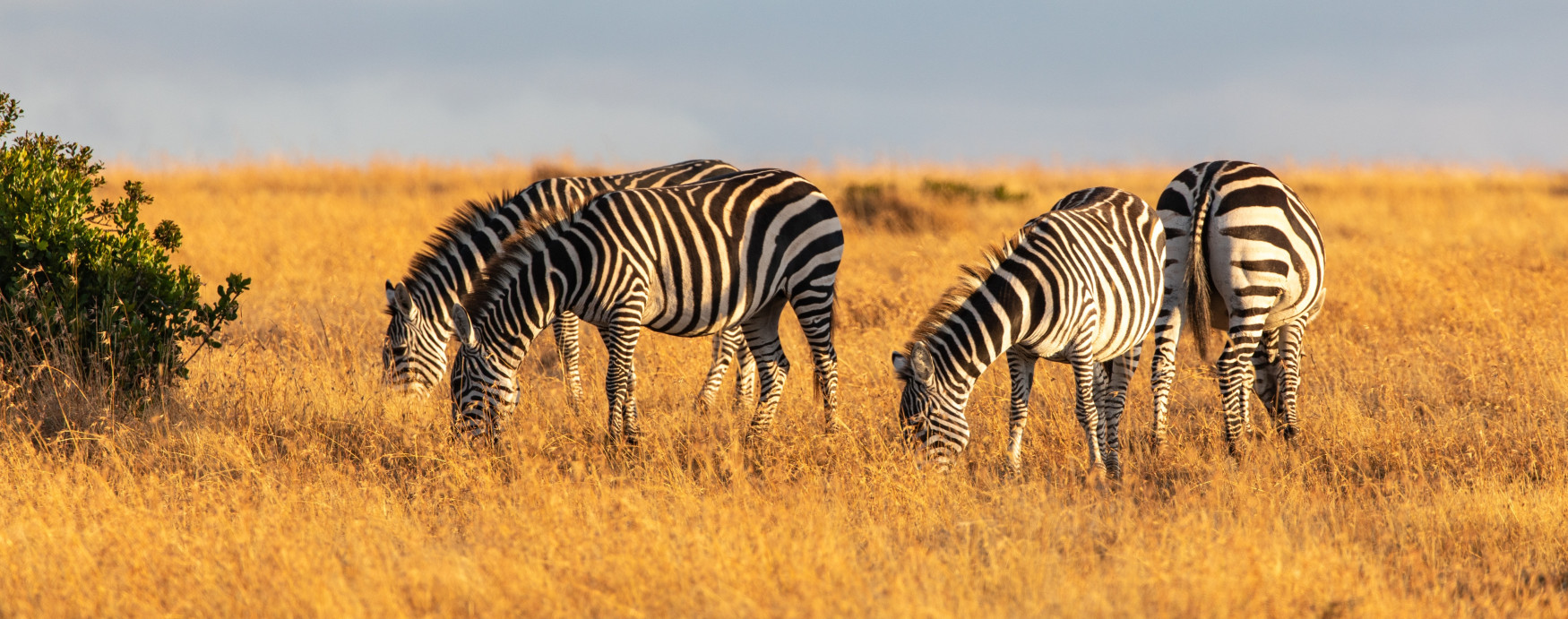
Thinking of travelling to Kenya?
Kenya is the birthplace of the safari holiday and, to this day, the quintessential safari destination. Much of the country is made up of vast wildlife reserves home to the Big Five and hundreds of other species.
Beyond the safari regions in the south and southwest, Kenya is a country of contrasts: the open plains of the Masai Mara sit alongside gorgeous white sand Indian Ocean beaches, snow-capped mountains, and lively cities like Nairobi and Mombasa.
Whether you’re planning your first visit or returning to explore further, our FAQs answer the most common questions about travelling to Kenya from the UK. If you have any other questions, you can talk to one of our Kenya experts by filling in the contact form here. For further inspiration for a Kenya trip, order a brochure here.
Before You Go
Q: Do I need a visa to travel to Kenya from the UK?
A: You must obtain an electronic travel authorisation (eTA) to travel to Kenya. You must apply for this at least two weeks before departure to ensure your application is approved before you travel. You can apply directly online with the Kenyan Directorate of Immigration Services. Your passport must have at least 2 blank pages and must expire at least 6 months after your arrival date in Kenya.
Check the UK Foreign, Commonwealth & Development Office’s up-to-date travel advice here before you travel to ensure you meet all entry criteria and check that advice against travelling to specific parts of Kenya doesn’t apply to the areas you are visiting.
Q: What vaccinations do I need for Kenya?
A: No specific vaccinations are required for entry into Kenya. However, it is recommended that routine UK vaccinations are up to date.
Depending on your itinerary and planned activities, your GP or a travel health clinic may also advise vaccinations such as Hepatitis A, Hepatitis B, Typhoid or Tetanus. For the most current guidance, visit the TravelHealthPro website or speak to your GP before travelling.
There is risk of Yellow Fever transmission in certain parts of Kenya. Always check up-to-date advice, such as that provided by the National Travel Health Network and Centre’s TravelHealthPro service for specific advice. If you are transiting through a country at risk of Yellow Fever (such as Ethiopia or Rwanda) for more than 12 hours on your way to Kenya, you will likely be asked for proof of vaccination by immigration staff upon arrival.
Q: What should I pack for a holiday in Kenya?
A: A safari holiday packing list will mostly comprise lightweight, neutral-coloured clothing, and this remains the case in Kenya. During the day, it will likely be hot, so lightweight, loose-fitting clothes in cotton or linen will help you stay cool. Long-sleeved shirts and full-length trousers will be important to protect you against mosquitoes. In the winter, early mornings and late nights can be chilly, so consider packing a warm jacket for morning game drives and evenings.
We have prepared a full packing list for a safari holiday, which you can read here.
Nairobi is often cooler than many expect due to its altitude, so packing layers and a jacket is suggested, especially for the evenings.
Mombasa is a predominantly Muslim city. If you choose to visit traditional Muslim neighbourhoods like the Old Town or religious sites, you may be expected to wear a sarong or light scarf to cover your shoulders and legs.
Travel essentials like toiletries and a power adapter are, of course, recommended.
Q: What plug sockets do I need for Kenya?
A: Plug sockets in Kenya are typically three-pin G types, the same as those used in the UK. This means you won’t need a power adapter. Kenya’s voltage (240V) is similar to the UK's (230V), so you won’t need a voltage transformer either.
Practical Information
Q: Where is Kenya, and which parts will I be visiting?
A: Kenya is nestled on the East African coast, straddling the equator and neighbouring Ethiopia to the north, Somalia to the northeast, Tanzania to the south, Uganda to the west, and South Sudan to the northwest.
The southeastern, coastal part of the country sits on the Indian Ocean, with gorgeous white sand beaches and vibrant coral reefs. Moving inland, the terrain rises into the central highlands, a verdant region bisected by the Great Rift Valley with the snow-capped Mount Kenya at its centre. Much of the nation’s west side is comprised of vast, open plains like the Masai Mara and other national parks, which eventually slope downward toward the tropical shores of Lake Victoria in the southwest corner.
Llama Travel tours visit the Masai Mara, Kenya’s most famous safari reserve, the Ol Pejeta Conservancy, a 90,000-acre conservancy in central Kenya, and Lake Nakuru, a salt lake on the western side of the Great Rift Valley. We offer an optional extension to Diani Beach, south of Mombasa on Kenya’s southeastern coast. Diani Beach is a picturesque, white-sand coastal destination with turquoise waters typical of the Indian Ocean.
Q: What is the population of Kenya?
A: The population of Kenya is estimated to be around 54-56 million.
Q: What is the capital city of Kenya?
A: Nairobi is Kenya’s capital. It is home to between 4.8 and 5.3 million people, just shy of 10% of the Kenyan population.
Q: What is the time difference?
A: During the UK winter or Daylight-Saving Time (DST) from late October to late March, Kenya is three hours ahead. During British Summer Time (BST) from late March to late October, Kenya is two hours ahead.
Most Llama Travel tours operate during British Summer Time/Kenya’s winter, meaning you will likely be just two hours ahead of the UK during your holiday.
Q: How long does it take to fly from the UK to Kenya?
A: Direct flights take between 8.5 and 9.5 hours from London Heathrow to Jomo Kenyatta International Airport in Nairobi.
Depending on the route and layover time, indirect flights tend to take between 12 and 14 hours.
Q: What language is spoken in Kenya?
A: Kiswahili is the official language of Kenya and is spoken by much of the nation’s population. Most airport and accommodation staff, guides and drivers (including all guides on Llama Travel tours of Kenya) are proficient in English.
Q: What is the currency in Kenya?
A: The national currency of Kenya is the Kenyan Shilling. 1000 Kenyan Shillings is around £6. You can enquire about up-to-date exchange rates at your local currency exchange shop before your trip.
Safari guides across Kenya are accustomed to receiving tips in US dollars. Even then, we recommend bringing a small number of Shillings, as many local souvenir shops often prefer local currency.
Q: What’s the weather like in Kenya?
A: Kenya generally has a tropical climate with sunny days and cooler nights, and you should be prepared for a variety of conditions.
Average daily temperatures range from 22 to 27°C, depending on the region you visit. The dry season extends from June to October, and there are two rainy seasons: the big one from April to May and a smaller one from late October to December.
On the coast, the climate is warm and tropical, with temperatures ranging from 20°C to 33°C throughout the year. The rainiest month is May, when the rain falls for around 19 days. The sea is warm all year round, ranging from 25°C in July and August to 29°C in March and April.
Q: What should I know about local customs and etiquette in Kenya?
A: Many of the typical customs in Kenya revolve around the country’s celebrated warm hospitality, known as ‘Karibu’. Expect a potentially prolonged handshake when greeting someone, a formal address (using ‘Sir’, ‘Ma’am’, ‘Mr’ or ‘Mrs’), and friendly warmth from Kenyans.
Littering anywhere is unacceptable, but especially on safari. All visitors to Kenya should aim to leave the places they visit as they found them by cleaning up after themselves. On safari, do not remove natural objects or disturb flora or fauna.
Your safari guide will brief you on specific safari protocol, including camp and vehicle etiquette.
We recommend checking the UK Foreign Office’s up-to-date advice on local laws and customs in Kenya here before you travel.
Q: Is Kenya an LGBT+-friendly destination?
A: Attitudes towards lesbian, gay, bisexual and transgender (LGBT+) travellers in Kenya can vary dramatically from those in the UK. Kenya remains a socially conservative country, and same sex activity and marriage are both illegal.
Hotels and lodges, however, do not discriminate, and LGBT+ travellers can share rooms in all accommodations on Llama Travel tours. Public displays of affection are discouraged across the board, especially for LGBT+ couples. We recommend LGBT+ travellers stay up-to-date with the FCDO’s advice here.
Q: Do I need to tip in Kenya?
A: Tipping is standard practice in restaurants in Kenya. If a service charge is added to your bill as a matter of course, there is no expectation to tip beyond that. If there is no service charge added to the bill at the end of a meal, restaurant staff are accustomed to receiving between 10% and 15% of the bill for good service.
On safari, guides and staff are accustomed to receiving tips in US dollars. As a general guideline, we suggest US$15 for the guide and US$10 for the chef and general staff per person per day. Taxi drivers and hotel staff can be tipped at your discretion.
Q: What should I know about safari experiences in Kenya?
A: Kenya is home to the quintessential African safari experience. The vast number of species across the country and the chance to spot the wildlife up close have captivated travellers for years.
Each day on safari follows a similar rhythm, with early morning and late afternoon game drives timed to ensure optimal wildlife viewing, and time to relax during the warmest part of the day. The early starts, lodge relaxation time, sundowners and game drives quickly become a part of the daily routine.
Game drive vehicles have a pop-up roof and can hold a maximum of six passengers, guaranteeing a window seat for a great view and photography opportunities. Your driver will double as your guide.
The Llama Travel blog is a great resource for insights into safari experiences. We have dedicated blogs about a typical day on safari (click here and a packing list (click here).
Click here to explore all of our blog entries about Kenya.
Q: What is it like staying in a safari lodge in Kenya?
A: The standard of lodge accommodation across Kenya can vary wildly. Many safari lodges in Kenya, such as those included in Llama Travel’s holidays, are comfortable, spacious, and well-positioned in active wildlife areas or migration sites. Expect natural colour palettes, rolling gardens, and incredible views, providing a relaxing base for unwinding after early-morning game drives.
Some safari lodges are unfenced to minimise disruption to local wildlife. In these cases, a ranger or guide may escort guests to their rooms. Lodges on Llama Travel’s Kenya holidays are entirely fenced to protect both guests and wildlife.
Q: What is it like staying in a tented camp in Kenya?
A: A safari tented camp is much less rustic than its name might suggest. Tented camps are essentially large, canvas-walled suites on raised wooden platforms, and blend the traditional colonial charm of a safari camp with more modern comforts like ensuite bathrooms and curtained showers.
This style of camps offers a grand sense of immersion, often on the verge of active wildlife areas like the Ol Pejeta Conservancy or the Masai Mara or with their own waterholes to attract wildlife.
Health & Safety
Q: Is Kenya safe to travel to?
A: The safari and coastal areas of Kenya are largely safe for tourists. The Foreign, Commonwealth & Development Office’s up-to-date travel advice about safety and security in Kenya can be found here. The risk of crime and terrorism incidents has consistently been low in tourist areas.
Major cities, like Nairobi and Mombasa, are more densely populated than safari or coastal areas. This means there is a greater risk of petty or opportunistic crime in crowded areas. Appropriate behaviour can prevent theft: do not walk around displaying obvious signs of wealth like jewellery or cameras, and keep passports and valuables in your hotel safe.
If taking a taxi around the city, we recommend sticking to official taxi services. Hotel staff will be able to call you an official taxi to pick you up if required. Taxis operate on a meter in most cities, but hotel staff or Llama Travel reps can advise you on the estimated cost of a journey.
On safari, your guide will brief you on relevant safety procedures and wildlife considerations. Following their instructions will eliminate most potential risks from affecting your safari experience.
Llama Travel’s booking conditions require all of our guests to have adequate travel insurance to ensure they are protected against the worst-case scenario when overseas.
Q: What happens if I get ill while in Kenya?
A: Hotel staff and safari guides will have first aid kits stocked with basic medical supplies for treatable illnesses. If that is not adequate, they will be able to arrange professional medical assistance.
Private hospitals across Kenya, especially those in major cities like Nairobi or Mombasa, will likely have English-speaking doctors and staff, and modern facilities. Ensure your travel insurance coverage covers medical care or repatriation in the worst-case scenario, as many private hospitals will require upfront payment for treatment.
It is always recommended to bring an adequate supply of prescribed medication on holiday, as the availability of specific medication once you are in Kenya will vary.
Q: Do I need travel insurance for Kenya?
A: Adequate insurance is always recommended to protect holidaymakers from having to foot the cost of illness, accidents, or emergency repatriation when travelling overseas. It is part of Llama Travel’s booking conditions that our guests have adequate travel insurance.
TravelHealthPro, the up-to-date travel advice resource run by the National Travel Health Network and Centre, also recommends travellers have adequate travel health insurance before travelling. You can read their full guidance on travelling to Kenya here.
If booking a package or ‘Flight-Plus’ holiday (flights with at least one other component, like accommodation or car hire) with an operator in the UK, your booking should be ATOL protected, which covers you financially if your airline, tour operator, or travel agent goes bust. Travel insurance can further protect you against trip cancellations and a whole raft of other potential risks or incidents.
Connectivity and Communication
Q: How do I phone the UK from Kenya?
A: To phone the UK from Kenya, dial the international dialling code (0044) and then the UK number, leaving out the ‘0’ in the area code.
Q: How do I phone Kenya from the UK?
A: To phone Kenya from the UK, dial the international dialling code for Kenya (00254) and then the Kenya telephone number, leaving out the ‘0’ in the area code.
Q: Will I get a phone signal while travelling in Kenya?
A: Major metropolitan and tourist areas like Nairobi, Mombasa and Diani Beach are well-connected in terms of phone signal and 4G/5G connectivity. Most major roads and entrances to popular safari parks like the Masai Mara will also have a reliable signal.
In some safari lodges and tented safaris, Wi-Fi may be available, but it is hard to guarantee a stable connection in the plains. You will likely lose signal on game drives, but safari guides will have radios for emergency communications. The incredible views and wildlife encounters will more than make up for the lack of internet connectivity.
Q: What are the options for mobile data and SIM cards in Kenya?
A: Purchasing a local SIM card will offer the best connectivity. Brands like Safaricom and Airtel Kenya both offer pay-as-you-go SIM plans, which you can buy from local shops.
If you want to be connected as soon as you land, an eSIM is a good option. Airalo, Holafly and Saily all offer Kenya-specific plans for calls, texts and international roaming. These don’t require a physical SIM card purchase but do require your phone to be eSIM compatible, so check this before purchasing one.
Getting Around
Q: How do I get around in Kenya?
A: Major cities like Nairobi and Mombasa are walkable to some degree. Walkability is highly localised, with areas such as the Old Town in Mombasa or Nairobi’s Westlands relatively easy to navigate on foot, but travelling between neighbourhoods is more challenging, so an official taxi is the quickest and safest way to do so.
Most of the coastline in Diani Beach is walkable, but it is recommended to stick near the major resorts, as these will be well-lit and often fall under the security perimeter of hotels, guaranteeing a safer experience.
The most convenient way to travel around different cities or regions in Kenya is often by flying. The aircraft for internal flights will vary.
For flights from Nairobi to Ukunda, near Diani Beach, the aircraft could be a 12-seater Cessna Caravan or a larger aircraft. These flights will take around two hours and may stop in Mombasa or another destination en route. If flying from Nairobi to Diani Beach, a 20kg luggage allowance (including hand luggage) will apply.
Safari flights in or out of the Masai Mara operate on small planes carrying around 12 passengers due to the size of the landing strips in the savannah. For flights to or from the Masai Mara, luggage must be in soft, lightweight duffel bags. A 15kg luggage allowance will likely apply for safari flights.
Game drives on safari will take place on a four-wheel drive vehicle with a capacity for six passengers, all with window seats.
Airport transfers and inter-city ground transport will likely take place on a standard minibus.
Q: Is there public transport in Kenya?
A: Public transport in and around Kenya is predominantly serviced by privately-owned ‘matutus’, buses which service fixed routes and have a bad safety record. There are a few infrequent inter-city trains which are often unpredictable or delayed.
We recommend pre-arranging transfers to and from the airport and asking your hotel staff or guides for advice on booking an official taxi if you need one.
Food and Drink
Q: What’s the food like in Kenya?
A: Food in Kenya, like much of Africa, is simple, hearty, and centred around grains, greens and meat. The main staples include maize meal (‘Ugali’ or ‘Unga’), rice, and stews. The unofficial national dish is roasted goat or beef served with ugali and a tomato-onion salad known as ‘kachumbari’.
The food at the accommodation on Llama Travel’s Kenya holidays is all to a high standard. The Mövenpick Hotel in Nairobi especially offers a great variety, from international cuisine to authentic African specialities.
Q: Can I drink tap water in Kenya?
A: Tap water is generally not safe to drink in Kenya. On safari, filtered water is supplied.
During summer, we recommend bringing rehydration salts to add to your water to prevent dehydration problems. One sachet per person per day is sufficient.
Q: Is alcohol available in Kenya?
A: Alcohol is available across Kenya, with restrictions in place on where alcohol can be sold. Most bars and restaurants, including those in hotels, serve alcohol, but availability may vary in supermarkets or off-license-style shops due to changing regulations.
Q: What drinks are available in Kenya?
A: Beer is the most popular drink in Kenya. The national beer, Tusker, is brewed in Nairobi and is available across the country, with Guinness and White Cap also widespread. Wines, especially those imported from nearby South Africa, are common. Kenya Cane, a smooth, sweet liquor made from sugarcane molasses, is a popular local spirit.
What to See
Q: What are the highlights of Kenya?
A: As the quintessential safari destination, many people regard wildlife experiences as the main attraction in Kenya. The Masai Mara alone is home to around 90 recorded mammal species and over 500 bird species, and the Great Rift Valley (especially Ol Pejeta Conservancy and Samburu National Reserve) is famed for its pink landscapes and vast game. The Great Migration, which occurs every year between June and September, is a notable wildlife highlight. Over a million wildebeest, zebra, and antelope cross the river bordering between Kenya and Tanzania during the Migration, evading threats from predators like crocodiles and lions while doing so.
Nairobi’s fast-growing cosmopolis promises a vibrant cultural look at life in Kenya, with a range of museums and markets to explore. The nearby Nairobi National Park makes for an interesting sight, with four of the Big Five roaming against a city backdrop.
The Indian Ocean coastline is often a surprise highlight for many visitors; people do not traditionally associate the gorgeous white sand beaches and turquoise waters along the coast with a holiday in Africa.
Kenya’s traditional way of life, especially for the Masai, Samburu, Swahili and Kikuyu people, is a fascinating facet of a holiday to Kenya. On Llama Travel holidays, there are opportunities to give back to indigenous communities, meet locals in schools and villages, and visit farms which provide key work and income to their local areas.
The ‘Karibu’ (or warm welcome) which Kenyans often extend to visitors can make the people as memorable and captivating as the wildlife.
Q: Will I see the Big Five in Kenya?
A: Many of Kenya’s vast wildlife reserves, like the Masai Mara, are home to healthy populations of the Big Five.
The African Elephant is one of the Masai Mara’s most prolific species, and around 900 Lion are estimated to also roam the area. African Buffalo are often found in herds of 100 or more and often congregate around watering holes, making sightings relatively common. Leopards are famously elusive, despite the Masai Mara being home to a healthy population.
The Ol Pejeta Conservancy’s conservation efforts around the rhino population make spotting the incredible species there a common occurrence. Najin and Fatu, the last two northern white rhinos left on earth, are under 24/7-armed guard at Ol Pejeta, and guests are invited not just to see the rhinos but to learn about their history and the ongoing conservation and species restoration efforts.
It is difficult to guarantee specific animal sightings on any safari holiday due to movements and migrations. Much of the excitement around a game drive and safari holiday overall stems from the unpredictability and spontaneity of wildlife encounters.
Q: How many days do I need to explore Kenya?
A: We recommend at least a week in Kenya. The Masai Mara, Ol Pejeta Conservancy and Lake Nakuru are all worth at least two days of game drives and sundowners each to balance optimal wildlife viewing opportunities with relaxation after the early rises.
Many people opt to bookend their trips to Kenya with relaxation or exploration of the country’s gorgeous Indian Ocean coast or bustling cities like Nairobi and Mombasa to balance out the safari experience with cultural insight.
Still have questions about travelling to Kenya?
Our team is happy to help. Call us on 020 7263 3000 or explore our Kenya holidays to start planning your trip.
Published in
Advanced page template
Tagged under
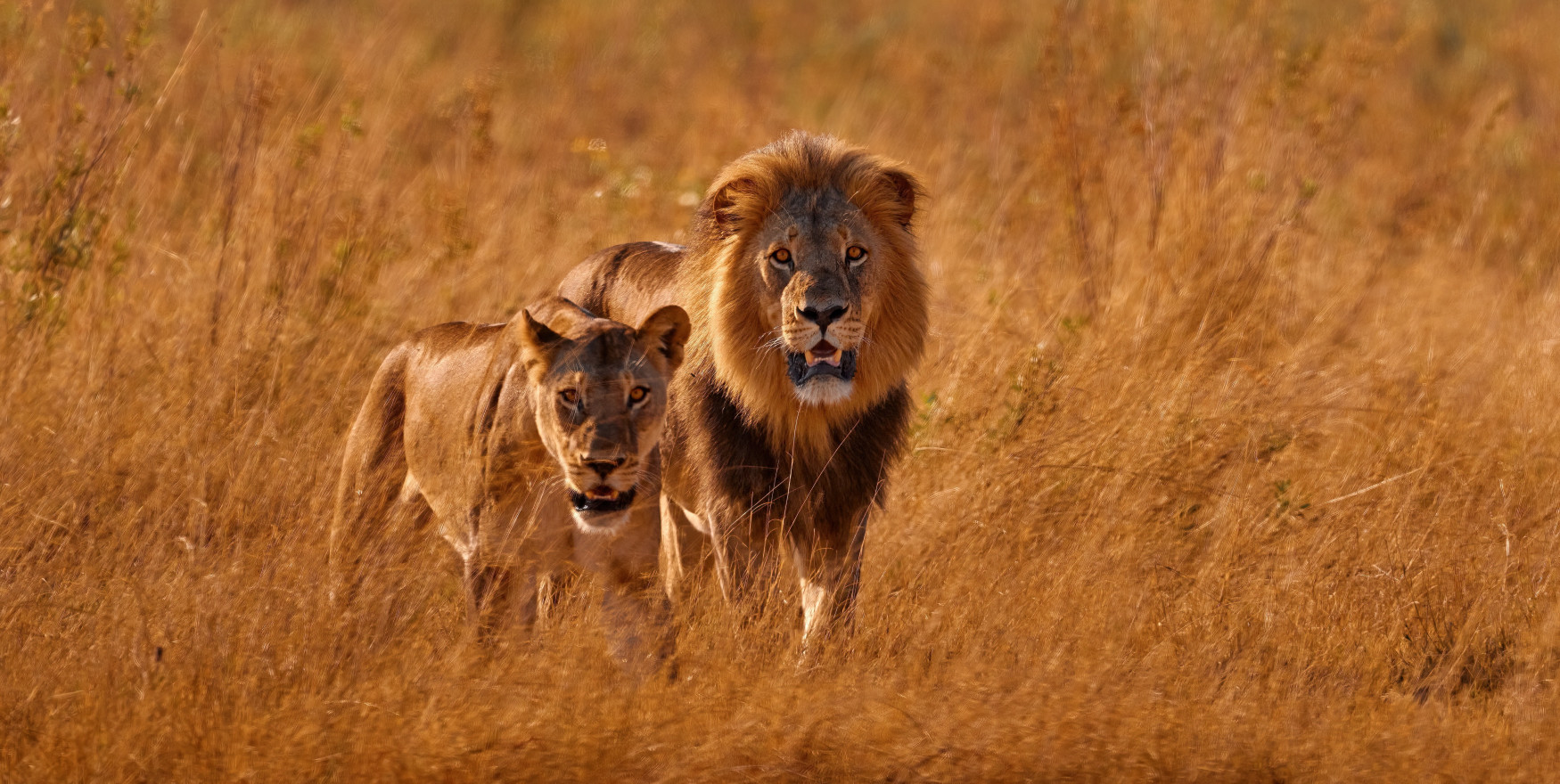
Thinking of travelling to Botswana?
Botswana is widely regarded as the home of the best safari experiences in Africa and, by extension, the world. The landlocked southern African destination is sparsely populated, and strict controls on tourism make experiences like lion-spotting in the Okavango Delta or elephant encounters in Chobe National Park all the more incredible.
Our FAQs answer some of the most common questions we get asked about Botswana; you can explore our full programme of holidays to Botswana or contact one of our travel experts to find out more about the destination.
Before You Go
Q: Do I need a visa to travel to Botswana from the UK?
A: Providing your passport is valid for at least six months as of the day of your arrival in Botswana, you do not require a visa to enter. You can visit visa-free for up to 90 days per 12-month period.
As is often the case globally, customs staff may ask about your travel arrangements upon entry, including accommodation, ground transport plans, and onward destinations, so make sure you have an itinerary or booking confirmation to hand.
It is worth checking the Foreign, Commonwealth & Development Office’s advice here before travel, as information is subject to change.
Q: What vaccinations do I need for Botswana?
A: TravelHealthPro, the official website of the National Travel Health Network and Centre (NaTHNaC), strongly recommends vaccination against Hepatitis A, Tetanus and Typhoid for most travellers due to potential food, water and wound infection risks in Botswana.
Certain travellers, including those at greater risk of infection, may have vaccinations against Cholera, Hepatitis B, Rabies and Tuberculosis recommended by their GP, travel health clinic or travel insurance provider. It is worth checking in with any of those at least 8 weeks before your departure to be sure.
It is unlikely you will be transiting through a country on the WHO list for risk of yellow fever transmission on route (find the full, up-to-date list here) if travelling from the UK. However, if you do, you will be required to show a certificate of vaccination against yellow fever upon arrival in Botswana.
Q: What should I pack for a holiday in Botswana?
A: Lightweight, neutral-coloured clothing is recommended during any safari, and this remains the case in Botswana. A light, warm jacket for those early rises in the bush, comfortable but sturdy walking shoes, and a brimmed hat will all serve you well. During winter (which typically runs from May to August), a warm fleece is recommended. Sunscreen, insect repellent, long-sleeve clothing and full-length trousers will protect you from the sun and bugs.
Charter flights have strict luggage limits, so be careful to stay below the 20kg limit and use soft luggage.
We have prepared a full breakdown of what to pack for a safari in Botswana, which you can read here.
Q: What plug sockets do I need for Botswana?
A: Plug sockets in Botswana are typically D, G and M types; while G sockets are the same as those used in the UK, we recommend packing a universal worldwide adapter that fits both D and M plug sockets in case.
Botswana’s voltage is the same as the UK (230V), so you won’t need a voltage converter.
Practical Information
Q: Where is Botswana, and which parts will I be visiting?
A: Botswana is in southern Africa, landlocked by South Africa to the south, Namibia to the northwest and Zimbabwe to the east.
Much of the nation’s south is covered by the sparse Kalahari Desert. Our tours instead focus on the verdant northeastern corner, including the Moremi Game Reserve, which occupies almost 2,000 square miles (almost a third) of the Okavango Delta, and Chobe National Park.
Q: What is the population of Botswana?
A: The population of Botswana is around 2.6 million people.
Q: What is the capital city of Botswana?
A: Gaborone is Botswana’s capital and is home to around 10% of the nation’s population.
Q: What is the time difference?
A: During the UK winter or Daylight-Saving Time (DST) from late October to late March, Botswana is two hours ahead. During British Summer Time (BST), that reduces to one hour ahead.
Most Llama Travel tours operate during British Summer Time/Botswana’s winter, meaning you will likely be just one hour ahead of the UK during your holiday.
Q: How long does it take to fly from the UK to Botswana?
A: With no direct flights from the UK to Botswana, the best option is often to fly via Johannesburg and connect from there to Maun in northern Botswana. That can take between 13 and 18 hours, depending on departure time and layover duration.
Q: What language is spoken in Botswana?
A: Setswana is the official language of Botswana and is spoken by much of the nation’s population. Most airport and accommodation staff, guides and drivers are proficient in English.
All guides on Llama Travel tours of Botswana are fluent in English.
Q: What is the currency in Botswana?
A: The national currency of Botswana is the Pula. £1 is equivalent to around 18 Pula. You can enquire about up-to-date exchange rates at your local currency exchange shop before your trip.
Safari guides across Botswana are accustomed to receiving tips in US dollars. Even then, we recommend bringing a small number of Pula, as many local souvenir shops often prefer local currency.
Q: What’s the weather like in Botswana?
A: Due to its location in the southern hemisphere, Botswana’s seasons rotate inversely to the UK’s. Summer begins around October/November and ends in March/April.
In the late summer months (March/April), rainfall is frequent. Temperatures range widely from 14°C to 32°C; bright sunshine contrasts with intermittent stormy skies. Botswana’s winter (May to October) is the dry season and considered the prime safari months. The coldest winter months (June/July) record morning temperatures of around 7°C to 26°C in the peak afternoon. By late winter (September & October), temperatures will vary from 15°C to 20°C in the mornings to 35°C and above in the peak afternoon.
Throughout the year, the weather in Botswana is relatively predictable, but we always recommend checking the forecast to ensure you pack accordingly.
Q: What should I know about local customs and etiquette in Botswana?
A: Many of the typical customs in Botswana revolve around respect, kindness and harmony, both for other people (especially elders) and the environment. The Botswanan people are accustomed to warm greetings, and may appreciate a Setswana ‘Hello’: ‘Dumela’, pronounced Doo-Mela.
Littering anywhere is unacceptable, but especially in the bush, and you should endeavour to leave areas as undisturbed as you found them by cleaning up after yourself and not removing natural objects or disturbing wildlife or foliage.
Despite it being a more progressive nation than many of its regional neighbours, Botswana’s attitude to dress code remains relatively conservative by western standards. While much of your trip will see you and your group largely isolated from civilisation in the bush, long-sleeved trousers and shirts are a good idea for two reasons: to adhere to the customary dress code if and when required, and to protect you from the elements while on safari.
For all couples visiting Botswana, public displays of affection are generally discouraged. Homosexuality is no longer prohibited by law, but attitudes towards lesbian, gay, bisexual and transgender (LGBT+) travellers remain less tolerant than those in the UK, so this is worth keeping in mind for LGBT+ travellers visiting cities and populated rural areas. On safari, LGBT+ travellers can expect a warm welcome from our partners.
Your safari guide will brief you on specific safari protocol, including camp and vehicle etiquette.
We recommend checking the UK Foreign Office’s up-to-date advice on local laws and customs in Botswana at www.gov.uk/foreign-travel-advice/botswana/local-laws-and-customs before travel.
Q: Do I need to tip in Botswana?
A: In restaurants in Botswana, tipping is standard practice. A service charge may be added to your bill as a matter of course, which removes the need to tip beyond that. If there is no service charge on the bill, it is customary to tip from 10-15% of the total bill if the service was good.
On safari, guides and staff are accustomed to receiving tips in US dollars. As a general guideline, we suggest US$15 for the guide and US$10 for the chef and general staff per person per day. Taxi drivers and hotel staff can be tipped at your discretion.
Q: What should I know about safari experiences in Botswana?
A: Botswana’s reputation as one of the best safari locations on earth is well-earned. The nation’s incredible biodiversity, especially on the Okavango Delta, means you will likely get up close to game during your safari.
Our safaris include game drives aboard one of the most modern vehicle fleets in Botswana, but it is by no means an entirely predictable experience. On occasion, drivers may be forced to take a detour, vehicles may get stuck in the sand or mud, or other disruptions may occur. Trials and tribulations in the bush are all a part of the adventure, and will make for great travel stories on your return!
The Llama Travel blog is a great resource for insights into safari experiences. We have dedicated blogs about a typical day on safari (click here), a packing list (click here), and an exclusive interview with Grant Reed, founder of our safari partners Letaka Safaris and star of National Geographic’s Safari Brothers alongside his brother Brent (click here).
Click here to explore all of our blog entries about Botswana.
Q: What is it like staying at a mobile safari in Botswana?
A: A mobile tented safari in Botswana is an adventurous way to immerse yourself in one of the world’s great wildlife areas.
After your guide meets you at the airstrip, you will be driven to your first camp, which is set up by the general staff before your arrival. Camps host a maximum of seven guests, joined by your guide, chef and up to two general staff. Shared areas include a campfire and an open-sided dining tent with a table, chairs and a drink table.
You will be sleeping in an individual tent (per couple or per person if travelling alone), with a proper bed, porch area, and ensuite bathroom with a hand basin, bucket shower and long-drop toilet.
Mobile safari camps are entirely open: the lack of fencing means wild animals can easily (and often do) wander through the camp. Your safari guides will advise you on etiquette in these instances to ensure you enjoy the spontaneous encounters as much as possible.
Expect early mornings, with the group waking up before sunrise for morning game drives. Afternoons are dedicated to relaxation before a second game drive in the late afternoon/early evening. Dinner consists of a simple but tasty three-course meal freshly prepared by the camp chef, with alcoholic drinks included.
During your time at camp, you will be totally disconnected from the outside world when it comes to phone signal and internet access. Guides have radios in case of emergencies. Group time and exchanging safari stories will become the new social media!
As the name suggests, mobile safaris move from location to location. On our regular 14-day ‘Delta Mobile Safari & Victoria Falls’ itinerary, this means the camp moves once, with three nights in Moremi National Park and three nights in the Mababe private reserve. Our 16-day ‘Extended Delta Mobile Safari & Victoria Falls’ itinerary adds a third mobile safari location, with three nights in Savuti.
Health & Safety
Q: Is Botswana safe to travel to?
A: Botswana is one of Africa’s safest and most stable countries to travel to. The Foreign, Commonwealth & Development Office’s up-to-date travel advice about safety and security in Botswana can be found here. The risk of crime and terrorism incidents has consistently been low for foreign visitors.
Llama Travel vets our accommodation and experience partners to ensure our guests’ comfort and security.
On safari, your guide will brief you on relevant safety procedures and wildlife considerations, such as not taking food into your tent and zipping up your tent properly. Following their instructions will eliminate most potential risks from affecting your safari experience.
Llama Travel’s booking conditions require all of our guests to have adequate travel insurance to protect against the worst-case scenario whilst on holiday.
Q: What happens if I get ill while in Botswana?
A: If you fall ill, contact your guide or hotel staff, who can help arrange assistance. Your safari guides and hotel staff will have first aid kits, well-stocked with basic medical supplies for treatable illnesses.
In case of a medical emergency, private hospitals in Maun, the closest major city near the places visited on Llama Travel tours, are modern and often staffed by English-speaking doctors. However, private hospitals will require you to pay for any treatment upfront, so ensure your travel insurance covers you for medical care and potential repatriation in the worst-case scenario.
We recommend that you always bring an adequate supply of any prescription medications on holiday.
Q: Do I need travel insurance for Botswana?
A: Our booking conditions require all guests to have adequate insurance against emergency repatriation and illness when travelling.
TravelHealthPro, the up-to-date travel advice resource run by the National Travel Health Network and Centre, also recommends travellers have adequate travel health insurance before travelling. You can read their full guidance on travelling to Botswana here.
Connectivity and Communication
Q: How do I phone the UK from Botswana?
A: To phone the UK from Botswana, dial the UK’s international dialling code (0044) and then the UK number, leaving out ‘0’ in the area code.
Q: How do I phone Botswana from the UK?
A: To phone Botswana from the UK, dial the international dialling code for Botswana (+267) and then the telephone number, leaving out the ‘0’ in the area code.
Q: Will I get a phone signal while travelling in Botswana?
A: Whether or not you have a phone signal in Botswana will largely depend where you are travelling.
During mobile safari experiences in and around the Okavango Delta, you will likely have little to no phone signal or internet access. Your safari guide will have a radio to use in case of emergencies.
In some safari lodges, like those in Chobe National Park, limited Wi-Fi may be available.
Q: What are the options for mobile data and SIM cards in Botswana?
A: Most Llama Travel itineraries in Botswana are largely focused on mobile safari experiences. During those legs of the journey, you will have no phone signal or internet access, so mobile data and SIM cards are unnecessary.
If you are spending time in Maun and/or Victoria Falls at either end of your tour, Wi-Fi will be available in most hotels and public spaces. eSIMs such as Airalo, Nomad and Ubigi offer Botswana-specific plans for international roaming, calls and texts, but you should check that your phone is eSIM-compatible before purchasing any of these.
Getting Around
Q: How do I get around in Botswana?
A: Maun is not considered a walkable city, with limited pedestrian infrastructure. We recommend asking the hotel staff to call you a taxi if you want to explore the city. Llama Travel reps and hotel staff can advise you on the approximate cost of any taxi journey around the city.
From Maun or Kasane, you will travel to the bush on a light aircraft. Flights often operate a ‘taxi’ style service, picking up and dropping off passengers at other small airstrips along the way to fit in with various passengers’ activities. During these flights, a strict 20kg luggage limit applies, and you must use only soft luggage.
In the bush, game drives will take place on a four-wheel drive vehicle with open sides for prime wildlife viewing.
Other ground transport, like airport transfers, will take place on a standard minibus.
In the Moremi Game Reserve, you will have the chance to travel along the Khwai River in a traditional mokoro dugout canoe. From the boat, you can often spot birds and occasionally hippo, crocodile and elephant.
Q: Is there public transport in Botswana?
A: There is limited public transport in areas like Maun, Gaborone, and Kasane. The most popular is the ‘Kombi’, 15-seater minibuses that run on irregular timings (only departing when full), and promise snug seating. Certain large coaches operate inter-city services between bus ranks in city centres. These, again, are not always reliable and are much slower than private transfers or internal flights.
We recommend pre-arranging transfers to and from the airport and booking taxis on your local guide or hotel staff’s advice and recommendations.
Food and Drink
Q: What’s the food like in Botswana?
A: Food in Botswana is simple but hearty. You can expect to eat a lot of meat (especially beef) dishes, open-fire cooking, and wild vegetables.
Botswana’s national dish, Seswaa, is made up of meat (typically beef, goat or lamb), boiled to a tender and shredded to a similar texture as pulled pork. Seswaa is often served with Pap, a stiff maize porridge, or Bogobe, a sorghum porridge.
On Llama Travel’s Botswana holidays, dinner is included during stays at the Thamalakane River Lodge in Maun. The lodge’s restaurant has a vast menu of meat, seafood, pizzas, pastas, salad, seafood and vegetarian dishes.
Should you choose not to eat at Thamalakane, there is a range of good restaurant options across Maun, serving international options like pizza and curry alongside more traditional African and Botswanan fare.
On the safari portion of our holidays, chefs prepare simple, three-course meals. Vegetarian options can be prepared if notified at the time of booking or before departure. Vegan options and other dietary restrictions cannot be catered for on safari.
Q: Can I drink tap water in Botswana?
A: Tap water is generally safe to drink in Botswana. On safari, filtered water is supplied.
During summer, we recommend bringing rehydration salts to add to your water to prevent dehydration problems. One sachet per person per day is sufficient.
Q: Is alcohol available in Botswana?
A: Alcohol is widely available across Botswana, with restrictions in place on ‘bottle store’ (similar to off-licenses) opening hours. The legal drinking age for purchasing and consuming alcohol is 18.
During safari portions of Llama Travel holidays in Botswana, your dinners include alcoholic drinks.
Q: What drinks are available in Botswana?
A: The national beer of Botswana, St. Louis Lager, is brewed in Gaborone but available across the country. Chibuku, a commercial version of sorghum beer, is a thick, slightly sour, and acquired taste, but popular among locals. Amarula, a cream liqueur made from the Marula fruit, is a popular sundowner on safari.
Lagers, gins, and wines from neighbouring South Africa are all commonplace at most restaurants and bottle stores in Botswana.
What to See
Q: What are the highlights of Botswana?
A: Botswana’s wildlife is considered the highlight for many, and is the main reason the destination is regarded as one of the best safari experiences on earth.
The Okavango Delta, one of the world’s most biodiverse ecosystems, is one of the best places on earth to spot lions, elephants, giraffes, cheetahs, crocodiles and more.
Chobe National Park, in the nation’s north-eastern corner, is famed for its large herds of elephants, with most elephant population estimates well over 100,000, and its over 450 bird species.
Maun, whilst most commonly serving as a main transit point into the Okavango Delta, is a typical dusty frontier town brimming with charm. The relaxing pace and authentic vibe are a great starting point for a safari holiday.
The warm welcome guests experience in Botswana is a large part of the destination’s charm, and memories of hospitable Botswanans often endure as long as those of memorable wildlife encounters.
Q: Will I see the Big Five in Botswana?
A: Both the Okavango Delta and Chobe National Park are home to vast wildlife populations, including many of the Big Five. Chobe is famed for its concentration of Elephants, the largest anywhere in the world, and the vast herds of Buffalo around the Chobe River and Moremi Game Reserve are a common sight on safari in Botswana. Most major reserves in Botswana boast healthy populations of Lion, and while Leopard remain slightly more elusive, the population is significant.
In efforts to combat poaching, many Rhino were relocated to highly protected areas of the Okavango Delta and private reserves. The Moremi Game Reserve and private Okavango Delta reserves offer the best chance to see them, but they remain the most elusive of the Big Five.
Due to animal migrations and unpredictable population movements, no safari provider can guarantee specific animal sightings; that unpredictability is often what makes a safari experience so magical and repeat safari trips so enticing.
Q: How many days do I need to explore Botswana?
A: We recommend at least 2 weeks in Botswana. 6 or more days on safari are required to cover the vast ecosystems and guarantee an unrushed experience worthy of the incredible setting, with 2 days on either side to prepare or recover from the early mornings and explore Botswana beyond the bush.
Still have questions about travelling to Botswana?
Our team is happy to help. Call us on 020 7263 3000 or explore our Botswana holidays to start planning your trip.
Published in
Advanced page template
Tagged under
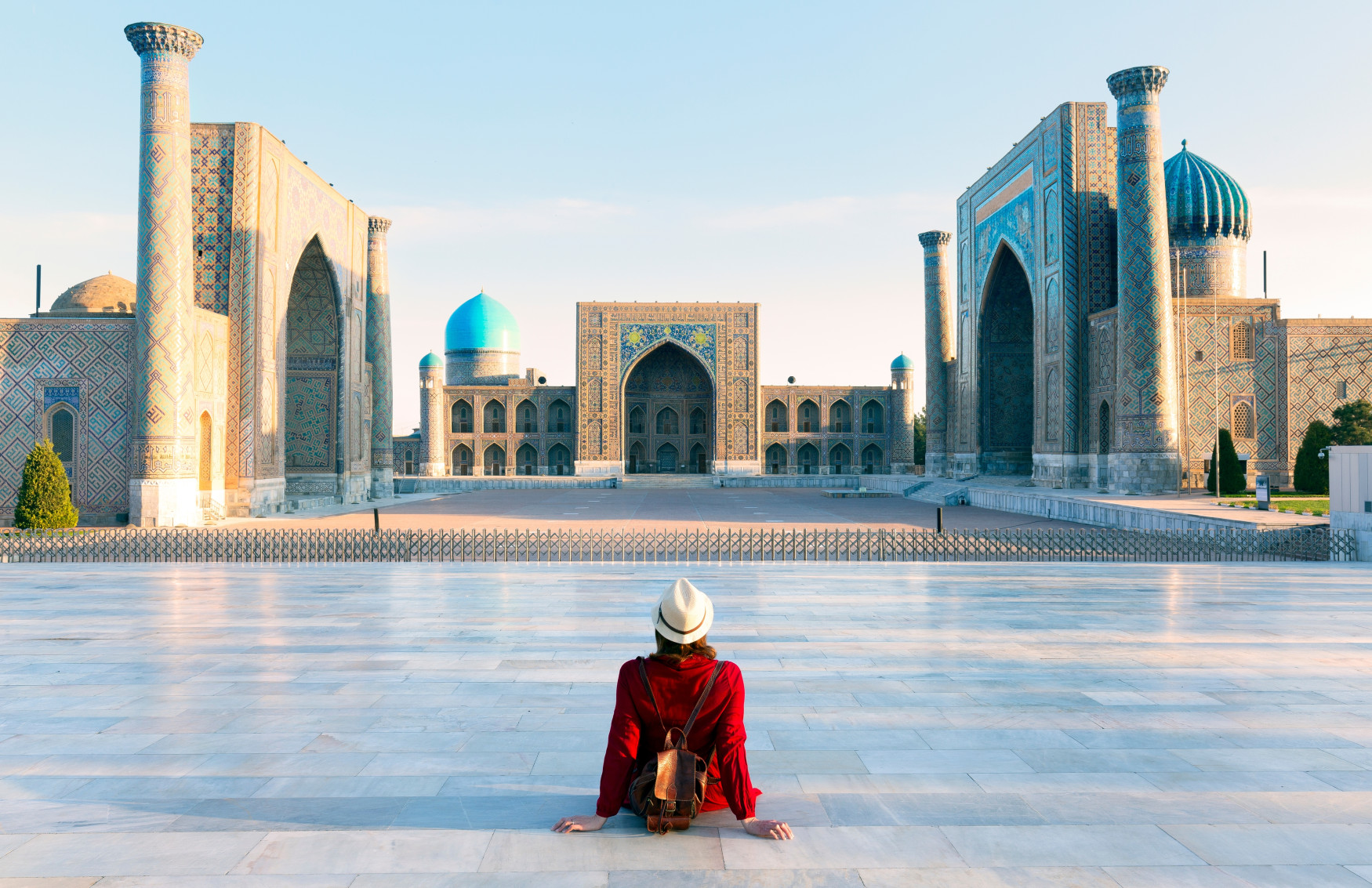
From dazzling Silk Road cities and ancient desert fortresses to colourful bazaars and warm, welcoming hospitality, Uzbekistan is a destination that never fails to surprise and inspire. Whether planning a first visit or returning to explore more of the country, our FAQs answer the most common questions about travelling to Uzbekistan from the UK.
Before You Go
Q: Do I need a visa to travel to Uzbekistan from the UK?
A: British citizens can travel to Uzbekistan for tourism without a visa for stays of up to 30 days. Your passport must be valid for at least six months from your date of entry. You may be asked to show proof of onward travel and accommodation on arrival. For the latest information, visit Embassy of Uzbekistan in the UK website.
Q: What vaccinations do I need for Uzbekistan?
A: No specific vaccinations are usually required for travel to Uzbekistan, but it is sensible to make sure routine UK vaccinations are up to date. Some travellers may also be advised to consider vaccinations for hepatitis A, hepatitis B or typhoid, depending on travel plans and length of stay. For the most current guidance, visit TravelHealthPro or speak to your GP before travelling.
Q: What should I pack for a holiday in Uzbekistan?
A: Uzbekistan has a continental climate with hot summers and cold winters, so packing depends largely on when you travel. In spring and autumn, days are usually mild and sunny, with cooler evenings, making layers a good choice. Summer temperatures can be very high, particularly in desert areas, so lightweight, breathable clothing, a sun hat and sunscreen are essential. Winters can be cold, especially in the evenings, and warm clothing is needed if travelling at this time. Rainfall is rare but possible in spring and autumn, so a lightweight raincoat or umbrella may be useful
Comfortable walking shoes are important, as sightseeing often involves walking on uneven streets, cobbled old towns and archaeological sites. When visiting mosques and religious sites, modest clothing is important; both men and women should cover their shoulders and knees, and you may be asked to remove your shoes before entering religious sites. A headscarf and light shawl are handy for covering up when needed and can also be used for sun protection.
Many hotels in Uzbekistan have swimming pools, particularly in the warmer months, so packing swimwear is recommended.
Electricity in Uzbekistan is 220V, similar to the UK, and plug types are usually Type C or F with two round pins, so an adapter is required.
It is also a good idea to carry a photocopy of your passport and any prescription medication you may need, along with a small day bag and a reusable water bottle.
Practical Information
Q: What’s the weather like in Uzbekistan?
A: In Uzbekistan, the climate is typically continental, with hot, dry summers and cold winters. Tashkent has a mild spring (March-May) with temperatures gradually rising to highs of 27°C and lows of 15°C. In autumn (September-November), daytime temperatures range between 15°C and 25°C, offering pleasant weather for travel. In the summer, Tashkent, Samarkand, and Bukhara experience sunny, hot days with highs of around 35°C, while winter temperatures can drop to between -2°C and 7°C. Desert regions like Khiva see greater extremes, with intense summer heat and colder winter nights. Rainfall is generally low, but possible in spring and autumn.
Q: What should I know about local customs and etiquette?
A: Uzbekistan is a welcoming and hospitable country, and visitors are usually treated with warmth and respect. Understanding a few basic customs will help you enjoy your trip:
- Dress modestly when visiting mosques and religious sites: cover shoulders and knees, and women should carry a headscarf. You will be asked to remove shoes before entering as a sign of respect.
- Greetings are often formal. A handshake is the most common greeting between men. When greeting women, wait for them to extend their hand first; otherwise, a slight nod or placing your right hand over your heart is considered polite and respectful
- Public displays of affection are not common, so keep gestures discreet.
- When visiting markets or bazaars, bargaining is expected but should be friendly and respectful.
Q: What is the time difference?
A: Uzbekistan is GMT +5 hours.
Q: Do people speak English?
A: English is not widely spoken outside major hotels, airports, and tourist sites. In cities like Samarkand, Bukhara, Khiva and Tashkent, staff at hotels, museums, and some restaurants will often speak basic English. Translation apps such as Google Translate can be useful for communicating when needed.
Q: What is the tipping culture in Uzbekistan?
A: Tipping is not mandatory but is appreciated for good service. It is customary to tip 10% in restaurants, and we suggest tipping your guide around US$5 - 8 per day and your driver around US$4 - 6 per day, though this is entirely at your discretion.
Q: What is the currency in Uzbekistan?
A: The currency in Uzbekistan is the Uzbekistani Som (UZS). Credit and debit cards can be used in some hotels, larger shops, and restaurants, though cash is more commonly used as Uzbekistan is still very much a cash economy. It is easy to find ATMs in Tashkent, Samarkand, and Bukhara, as they are often located in hotels or near central areas.
Q: Are there any rules about photography in Uzbekistan?
A: Photography is generally permitted and encouraged in Uzbekistan, including at many historic sites and mosques. When photographing inside mosques, it is important to be respectful. Avoid taking photos of people who are praying, and be mindful of your surroundings. In some places, staff may ask you not to take photos, or to avoid using flash, so it is best to check signs or ask before taking pictures.
It is polite to ask for permission before photographing local people, particularly in markets or quieter areas. Avoid photographing military buildings, police officers or official government sites. Being discreet and respectful when taking photographs will help ensure a positive experience.
Health and Safety
Q: Is Uzbekistan safe to travel to?
A: Yes. Uzbekistan is generally considered a safe country for visitors, and most travellers experience no problems during their stay. Violent crime is rare, though petty theft such as pickpocketing or bag-snatching can occur in crowded areas, such as busy bazaars. As with travel anywhere, it is advisable to remain aware of your surroundings, keep valuables secure and follow any local advice provided by guides or hotel staff. Llama Travel works with trusted local partners and accommodation to help ensure a comfortable and secure experience throughout the trip.
Q: What happens if I get ill while in Uzbekistan?
A: Medical facilities in Uzbekistan vary in quality. Larger cities have hospitals and clinics that can provide basic medical care, but English may not be widely spoken. If you feel unwell, your guide or hotel staff can help arrange medical assistance and support with communication. Payment for treatment is often required upfront, so comprehensive travel insurance covering medical expenses and repatriation is essential.
Q: Do I need travel insurance for Uzbekistan?
A: Yes, travel insurance is strongly recommended for travel to Uzbekistan. Your policy should cover medical treatment, emergency evacuation, trip cancellation and any planned activities. It is advisable to carry a copy of your insurance details with you while travelling, and to ensure your policy remains valid for the full duration of your trip.
Connectivity and Communication
Q: What are the options for mobile data and SIM cards in Uzbekistan?
A: Staying connected in Uzbekistan is straightforward. Wi-Fi is available in most hotels, and many cafés and restaurants in larger cities also offer free Wi-Fi. Connection speeds can vary, but it is generally reliable in urban areas.
Local SIM cards are widely available and affordable, and can be purchased at airport or in mobile phone shops in cities such as Tashkent, Samarkand and Bukhara. You will need your passport and hotel guest check-in form for registration. Major providers include Ucell, Beeline and Mobiuz, and staff can usually help set up the SIM on the spot.
eSIMs are also a convenient option for travellers who prefer to arrange mobile data in advance. International providers such as Airalo, Holafly, Nomad and GigSky are popular choices and work well in Uzbekistan. Coverage is generally good in cities and along main travel routes, though it may be limited in more remote areas.
Getting Around
Q: How do I get around in Uzbekistan?
A: Uzbekistan has a developing but reliable transport network linking its main cities and historic sites. High-speed trains such as the Afrosiyob connect destinations including Tashkent, Samarkand and Bukhara, offering a comfortable and efficient way to travel between cities. Domestic flights are available for longer distances, while private vehicles are commonly used on routes where train connections are limited.
Within cities, getting around is usually done by a combination of walking, taxis and public transport. Taxis are widely available and affordable, and the Yandex Go app is a convenient option in major cities such as Tashkent, Samarkand and Bukhara. Tashkent also has a clean and efficient metro system, along with buses and marshrutkas (mini buses), which are commonly used by locals.
On Llama Travel holidays, all transport is pre-arranged, (including tickets, transfers and luggage forwarding between hotels), making travel between destinations smooth and straightforward. In cities, sightseeing is often done on foot or by public transport, offering a chance to experience Uzbekistan’s daily life up close.
Food and Drink
Q: What’s the food like in Uzbekistan?
A: Uzbekistani cuisine is a rich blend of flavours influenced by the country’s Silk Road heritage and neighbouring Central Asian, Middle Eastern, and Russian culinary traditions.
A popular dish is Plov, Uzbekistan’s national dish, made with rice simmered with lamb or beef, carrots, onions, and aromatic spices. Shashlik, skewered and grilled meat, is a common street food often served with fresh bread and pickled vegetables. Manti, steamed dumplings filled with meat and onions, are another local favourite.
Uzbekistan’s signature round bread, non holds a special place in Uzbek culture and is served with most meals. It is considered disrespectful to place bread upside down or waste it.
Q: Can I drink tap water in Uzbekistan?
A: Tap water is not considered safe to drink, so bottled water is the best choice and it is widely available throughout the country. You can also get filtered water for filling water bottles at most hotels.
Q: What drinks are available in Uzbekistan?
A: Traditional beverages include green tea, which is served throughout the day and considered the national drink. Kefir, a fermented milk drink, is also popular.
Q: Is alcohol available in Uzbekistan?
A: Alcohol is available in Uzbekistan, including local beer and wine, and is generally served in hotels and restaurants. While Uzbekistan is a predominantly Muslim country, alcohol consumption is permitted, though it is best to drink discreetly and be mindful of local customs.
What to See
Q: What are the highlights of Uzbekistan?
A: Uzbekistan is rich in history, architecture and culture, shaped by centuries of trade along the Silk Road. The country is known for its grand Islamic architecture, blue tiled mosques and madrasas, lively bazaars and warm hospitality. Historic cities such as Samarkand, Bukhara and Khiva offer remarkably well-preserved old towns, while Tashkent provides a more modern contrast with wide boulevards, museums and an impressive metro system.
Q: How many days do I need to explore Uzbekistan?
A: Around ten to fourteen days is ideal for a first visit to Uzbekistan. This allows enough time to explore the main Silk Road cities, travel comfortably between them and experience both the historical highlights and daily life, without feeling rushed.
Q: Where should I go in Tashkent?
A: Tashkent is the capital and a good introduction to Uzbekistan. The city combines Soviet era architecture with green parks, museums and traditional neighbourhoods. Highlights include Khast Imam Square, home to important Islamic manuscripts, and Chorsu Bazaar, one of the oldest and most colourful markets in the region. Tashkent’s metro is also worth experiencing, with stations decorated in marble, mosaics and chandeliers. Museums, cafés and wide avenues give the city a relaxed, modern feel compared to the older Silk Road cities.
Q: Where should I go in Samarkand?
A: Samarkand is one of the most famous cities on the Silk Road and a highlight for many visitors. The Registan Square, framed by three grand madrasas covered in intricate blue tiles, is one of the most striking sights in Central Asia. Other key places include Gur-Emir, the mausoleum of Timur, and Bibi Khanum Mosque, once one of the largest mosques in the Islamic world. The Shah-i-Zinda complex, a series of beautifully decorated mausoleums, offers a quieter and more atmospheric experience.
Q: Where should I go in Bukhara?
A: Bukhara is known for its well-preserved old town and relaxed atmosphere. The historic centre is compact and ideal for walking, with highlights such as the Poi Kalyan complex, home to the iconic Kalyan Minaret, the grand Juma mosque, and the prestigious Miri-Arab Madrasah. The medieval trading domes once part of the Silk Road’s commercial network, now house small shops and workshops. Bukhara feels lived in and authentic, offering a strong sense of the city’s long religious and trading history.
Q: Where should I go in Khiva?
A: Khiva’s Itchan Kala, the walled inner city, feels like an open-air museum and is one of the most atmospheric places in Uzbekistan. Inside the walls are mosques, madrasas, minarets and palaces built from mud brick and decorated with blue tiles. Highlights include the ancient Kunya-Ark fortress, and the Islam Khodja Minaret, which offers panoramic views over the old town. Khiva is compact and easy to explore on foot, particularly in the early morning or evening when it is quieter.
Q: What can I see in Shahrisabz?
A: Shahrisabz is the birthplace of Timur (Tamerlane) and one of Uzbekistan’s most important historical towns. Located south of Samarkand, it is known for the remains of the Ak Saray Palace, which was once among the grandest structures in Central Asia. The town also has several mausoleums and religious buildings connected to Timur’s family. Shahrisabz is usually visited as a day trip from Samarkand and offers useful insight into the early history of the Timurid Empire.
Q: What can I see at the summer palace of Bukhara?
A: The Summer Palace of Bukhara, also known as Sitorai Mokhi Khosa, was used by the last emirs of Bukhara as a retreat during the hot summer months. Located just outside the city, the palace features a mix of traditional Central Asian architecture alongside Russian and European influences. Visitors can see decorated reception halls, private rooms, courtyards and gardens, which offer an interesting contrast to the religious buildings and madrasas found in Bukhara’s historic centre.
Q: What are bazaars like in Uzbekistan and what can I buy there?
A: Bazaars are an important part of daily life in Uzbekistan and offer a lively insight into local culture. Large markets such as Chorsu Bazaar in Tashkent are filled with stalls selling fresh fruit and vegetables, dried fruits, nuts, spices, bread and sweets. You will also find textiles, ceramics, embroidered suzani, carpets and everyday household goods.
Bazaars are a good place to observe local life, sample seasonal produce and buy souvenirs directly from local sellers. Bargaining is common, particularly for non-food items, but it is usually done in a friendly and relaxed way. Visiting a bazaar is as much about the atmosphere as it is about shopping.
Still have questions about travelling to Uzbekistan?
Our team is happy to help. Call us on 020 7263 3000 or explore our Uzbekistan holidays to start planning your trip.
Published in
Advanced page template
Tagged under
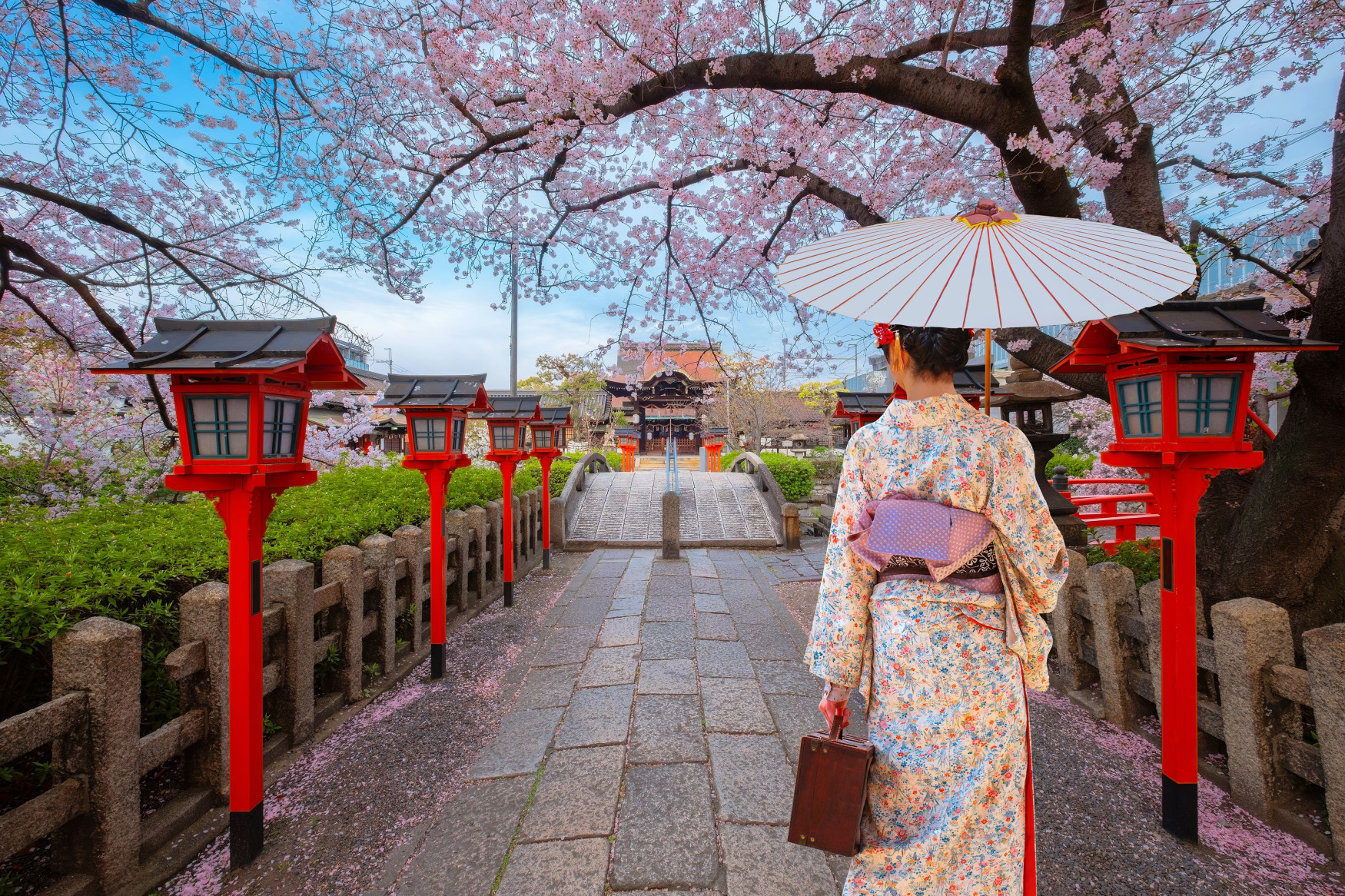
Thinking of travelling to Japan?
From ancient temples and tranquil gardens to neon-lit cities and high-speed trains, Japan offers a captivating mix of tradition and modernity. Whether you’re planning your first visit or returning to explore further, our FAQs answer the most common questions about travelling to Japan from the UK.
If you’re still deciding where to go, take a look at our Japan holidays.
Before You Go
Q: Do I need a visa to travel to Japan from the UK?
A: No. British citizens can enter Japan for up to 90 days without a visa for tourism. You’ll need a valid passport with at least six months’ validity from your date of return. You may be asked to show proof of onward travel and accommodation on arrival. For the latest entry information, visit the Japan Ministry of Foreign Affairs website.
Q: What vaccinations do I need for Japan?
A: No specific vaccinations are required for Japan. However, it’s a good idea to make sure your routine UK vaccinations are up to date. For the most current guidance, visit TravelHealthPro
or consult your GP or a travel health clinic before travelling.
Q: What should I pack for a holiday in Japan?
A: Temperatures in Japan vary considerably depending on when and where you visit, so it’s best to pack a range of clothing suitable for both warm and cooler weather. In spring and autumn, daytime temperatures are usually in the mid-teens to low 20s, while nights can be much cooler, sometimes dropping close to single figures. In the Japanese Alps, early spring and late autumn can bring sub-zero temperatures and even snow. Summer (June to August) is very hot and humid, so light, breathable clothing is essential, along with a sun hat and sunscreen. Rain is possible throughout the year and can be heavy, so a lightweight waterproof jacket or umbrella is recommended. Comfortable walking shoes are important as sightseeing often involves a lot of walking, and slip-on shoes are useful for places where you need to remove footwear, such as temples and traditional inns.
Electricity in Japan is 100V, compared with the UK’s 230V, so some appliances may not work correctly. Most phones, laptops, cameras and tablets will charge fine with a simple adapter plug, but always check your device’s voltage rating before travelling. High-powered appliances such as hairdryers and straighteners may require a transformer, although many hotels provide suitable alternatives. There are two plug types in Japan: Type A (two flat pins) and Type B (two flat pins with a round earth pin).
We recommend carrying a photocopy of your passport and bringing any prescription medication you may need from the UK, as foreign medicines can be difficult to obtain. A small umbrella, refillable water bottle and lightweight day bag can also be useful.
Practical Information
Q: What’s the weather like in Japan?
A: Japan’s weather varies from region to region. Spring (March–May) and autumn (September–November) are considered the best times to visit, with mild temperatures and clear skies. Summer is hot and humid, while winter is dry and cold, especially in the north. Rainfall peaks during June and early July.
Q: What should I know about local customs and etiquette?
A: The Japanese are famously polite and welcoming, which is one of the most enjoyable parts of visiting the country. While no one expects visitors to know every custom, understanding a few basics goes a long way. When using chopsticks, avoid pointing or waving them, spearing food, or leaving them standing upright in rice. When paying, money is rarely handed directly to the cashier, instead, place your cash or card on the small tray provided, and your change will be returned the same way. It’s also common to remove your shoes before entering temples, ryokans and some restaurants, so slip-on shoes and neat socks are useful. Bowing is the typical form of greeting and a way to show thanks, though handshakes are also accepted when meeting non-Japanese visitors. You’ll often see staff in hotels, shops and restaurants bow as a gesture of respect.
Tattoos are becoming more accepted in Japan, particularly among younger people and in large cities, but they can still be sensitive in certain situations. In traditional settings such as onsens, swimming pools and gyms, tattoos are sometimes associated with organised crime and may not be permitted. It’s advisable to check ahead or cover tattoos with plasters or a sleeve if required.
Q: What Is the time difference?
A: Japan is GMT + 9hrs.
Q: Isn’t Japan really expensive?
A: Getting to Japan is expensive, especially during cherry blossom season and autumn, and accommodation can be expensive, particularly at these times. However, day-to-day costs are often comparable to, or cheaper than, those in Europe or North America, and many travellers return pleasantly surprised by how affordable Japan can be. Food in particular can be surprisingly good value, and it is possible to enjoy a delicious meal for under £10, although fancier restaurants can be very expensive. Public transport is also extensive and good value for money, and crossing Tokyo by subway can cost less than £2. However, private vehicles and taxis are expensive, as are guide services.
Q. Do people speak English?
A: English is not widely spoken in Japan, although many people in hotels, airports, train stations and tourist areas know some basic phrases. Signs, menus and transport information in major cities are often displayed in both Japanese and English, making it relatively easy to get around. In more rural areas, English is less common, but Japanese people are generally very polite and will do their best to help. Translation apps such as Google Translate can also be useful for reading menus or communicating when needed.
Q: What is the tipping culture in Japan?
A: Tipping is not customary in Japan, but if you are satisfied with the service given, you may wish to show some appreciation. This is completely at your discretion, and no specific tipping levels are suggested.
Health and Safety
Q: Is Japan safe to travel to?
A: Yes. Japan is one of the safest countries in the world for visitors. Crime rates are extremely low, and public transport and streets are safe, even at night. As with anywhere, keep an eye on personal belongings and follow your guide’s advice. Llama Travel works only with trusted hotels and local partners to ensure your comfort and security.
Q: What happens if I get ill while in Japan?
A: Medical facilities in Japan are excellent, and English-speaking doctors are available in most major cities. If you feel unwell, contact your guide or hotel staff, who can help arrange assistance. You’ll need to pay for treatment upfront, so make sure you have comprehensive travel insurance covering medical care and repatriation.
Connectivity and Communication
Q: What are the options for mobile data and SIM cards?
A: Staying connected in Japan is easy. Wi-Fi is available in most hotels and public spaces, and portable Wi-Fi routers (Pocket Wi-Fi) are common and can be pre-booked. eSIMs such as Airalo and Nomad also work well. Local SIM cards can be purchased at airports or convenience stores, and you’ll need your passport for registration.
Onsens
Q: What are Onsens?
A: Onsens are traditional Japanese hot-spring baths, enjoyed for centuries as places of relaxation, bathing and calm. They form an important part of Japanese culture and are often set in scenic locations like mountains or forested regions. They offer a chance to unwind after sightseeing and to experience a genuine local tradition.
Q: What’s the Onsen Code?
A: To enjoy an onsen respectfully:
- Wash thoroughly in the shower area before entering the bath, this keeps the water clean for everyone.
- Bathing is typically without swimwear, in gender-segregated facilities. A small towel may accompany you for modesty but it should not go in the water.
- Keep hair out of the water (tie back long hair) and avoid letting the towel touch the bath.
- Avoid loud talk, running or splashing, onsens are very much about quiet relaxation.
- Be aware that tattoos may restrict access in some public baths due to traditional associations, check ahead or cover tattoos if needed.
Click here to learn more how to onsen (like a local!).
Getting Around
Q: How do I get around in Japan?
A: Japan’s public transport system is among the best in the world. The high-speed Shinkansen (bullet trains) link major cities quickly, smoothly and with impressive punctuality, while local trains and metro networks are clean, reliable and easy to navigate. Buses are a convenient way to reach smaller towns and rural areas, and domestic flights connect the main islands efficiently for longer journeys.
Train stations, especially in big cities like Tokyo and Osaka, can be very large and busy, so expect a fair amount of walking and allow extra time for transfers. Fortunately, signs, announcements and ticket machines in major cities are usually in both Japanese and English, making it straightforward for visitors to find their way.
On Llama Travel holidays, all your transport is pre-arranged (including tickets, transfers and luggage forwarding between hotels), so getting around is effortless. In the cities, sightseeing is usually done on foot or by public transport, allowing you to experience Japan’s daily life up close.
Q: How should I manage my luggage when travelling in Japan
A: Luggage space on Japan’s trains is quite limited, so it’s a good idea to travel with smaller cases or soft bags where possible. Overhead racks can hold medium-sized bags, but large suitcases can be difficult to store. To make travel easier, Japan offers a very efficient luggage forwarding service, where your main bags are sent ahead to your next hotel for a small fee. This means you can move between destinations comfortably with just an overnight bag. Your guide or hotel staff can easily help arrange this service.
Food and Drink
Q: What’s the food like in Japan?
A: Japanese cuisine is a real highlight of visiting the country, fresh, beautifully presented and full of delicate flavours. Meals are often centred around rice, noodles, vegetables and fish, with an emphasis on balance and seasonality.
Each region offers its own specialities: try fresh sushi and tempura in Tokyo, kaiseki (multi-course dining) and matcha sweets in Kyoto, and okonomiyaki (savoury pancakes) or oysters in Hiroshima. Even a simple bento box on the train is carefully prepared and delicious.
Vegetarian options are increasingly available, although fish stock (dashi) is common in many dishes, so it’s best to ask your guide or restaurant staff. Western food and bakeries are also easy to find in larger cities in Japan.
Q: Can I drink tap water in Japan?
A: Yes. Tap water in Japan is safe to drink everywhere. Bottled water is also widely available if you prefer.
Q: Can I drink alcohol in Japan?
A: Yes. Alcohol is legal and widely available. Popular drinks include sake (rice wine), beer, and shochu (a clear spirit).
What to See
Q: What are the highlights of Japan?
A: Japan combines rich traditions with modern life in a way few places do. In Tokyo, quiet temples and gardens sit alongside busy shopping streets and neon lights. Kanazawa offers elegant gardens and well-preserved historic districts, while Kyoto is known for its temples, shrines and old wooden houses. In Hiroshima, the Peace Memorial Park provides a moving insight into the city’s past, and nearby Miyajima Island is famous for its red torii gate standing in the water. These places give a good sense of Japan’s culture and variety.
Q: How many days do I need to explore Japan?
A: Around two weeks is ideal for a first visit to Japan. This allows enough time to explore the main highlights, such as Tokyo, Kanazawa, Kyoto, and Hiroshima, without feeling rushed.
Q: Where should I go in Tokyo?
A: Tokyo is a fascinating mix of old and new. Visit the Meiji Shrine, a peaceful spot surrounded by forest, and explore Asakusa, home to Senso-ji Temple and its lively market streets. Modern districts such as Shibuya, Shinjuku and Ginza show the city’s fast-paced energy, with bright lights, shops and restaurants open late into the night. For a quieter side of the capital, stroll through Ueno Park, the Imperial Palace Gardens, or neighbourhoods such as Daikanyama and Nakameguro, known for their cafés, small galleries and riverside walks. Tokyo’s excellent transport system makes it easy to experience the different moods of the city, from traditional culture to contemporary urban life
Q: Where should I go in Hakone?
A: The mountain area of Hakone offers a peaceful escape from the city, with lakes, forests and hot springs. Take the cable car or ropeway for panoramic views of Lake Ashi, and on clear days you may even see Mount Fuji. Enjoy a boat cruise on the lake, visit the Hakone Open-Air Museum, or unwind in a traditional onsen (hot spring bath).
Q: Where should I go in Takayama?
A: Takayama sits in the Japanese Alps and is known for its beautifully preserved old town. Stroll along Sanmachi Suji, where traditional wooden merchant houses now hold small shops, sake breweries and cafés. Visit the Takayama Jinya, a historic government building, and browse the lively morning markets for local crafts and produce. The Festival Float Museum showcases the ornate floats used in the city’s famous festival, while the Hida Folk Village offers an open-air display of traditional thatched farmhouses. Nearby Shirakawa-go, a UNESCO World Heritage Site, is home to picturesque gassho-style houses and makes a lovely excursion from Takayama. With its slower pace and traditional atmosphere, Takayama provides a glimpse of rural Japan.
Q: Where should I go in Kanazawa?
A: Kanazawa is famous for its blend of art, gardens and history. The highlight is Kenrokuen Garden, one of Japan’s most beautiful. Explore the Nagamachi samurai district with its preserved residences, and the Higashi Chaya area, where wooden teahouses recall the city’s geisha heritage. Omicho Market is the place to sample fresh seafood and regional dishes. Kanazawa is elegant, compact and easy to explore on foot.
Q: Where should I go in Kyoto?
A: Kyoto is the cultural heart of Japan, filled with beautiful temples, shrines and gardens. Don’t miss the Golden Pavilion (Kinkaku-ji), the Fushimi Inari Shrine with its long tunnels of red torii gates, or the Arashiyama Bamboo Grove. The old streets of Gion and Higashiyama are perfect for walking, with teahouses, craft shops and the chance to spot a geisha in traditional dress. Kyoto is also home to many other remarkable temples, including Kiyomizu-dera and Ryoan-ji, known for its Zen rock garden. A day trip to nearby Nara is well worth it to see the giant Buddha at Todai-ji Temple and the friendly deer roaming freely in Nara Park.
Q: Where should I go in Hiroshima?
A: Hiroshima is a modern, welcoming city with a powerful history. The Peace Memorial Park and Museum tell the story of 1945 and Japan’s commitment to peace. Nearby, the Atomic Bomb Dome stands as a symbol of resilience. A short ferry ride away is Miyajima Island, known for the famous floating torii gate at Itsukushima Shrine.
Still have questions about travelling to Japan?
Our team is happy to help. Call us on 020 7263 3000 or explore our Japan holidays to start planning your trip.
Published in
Advanced page template
Tagged under
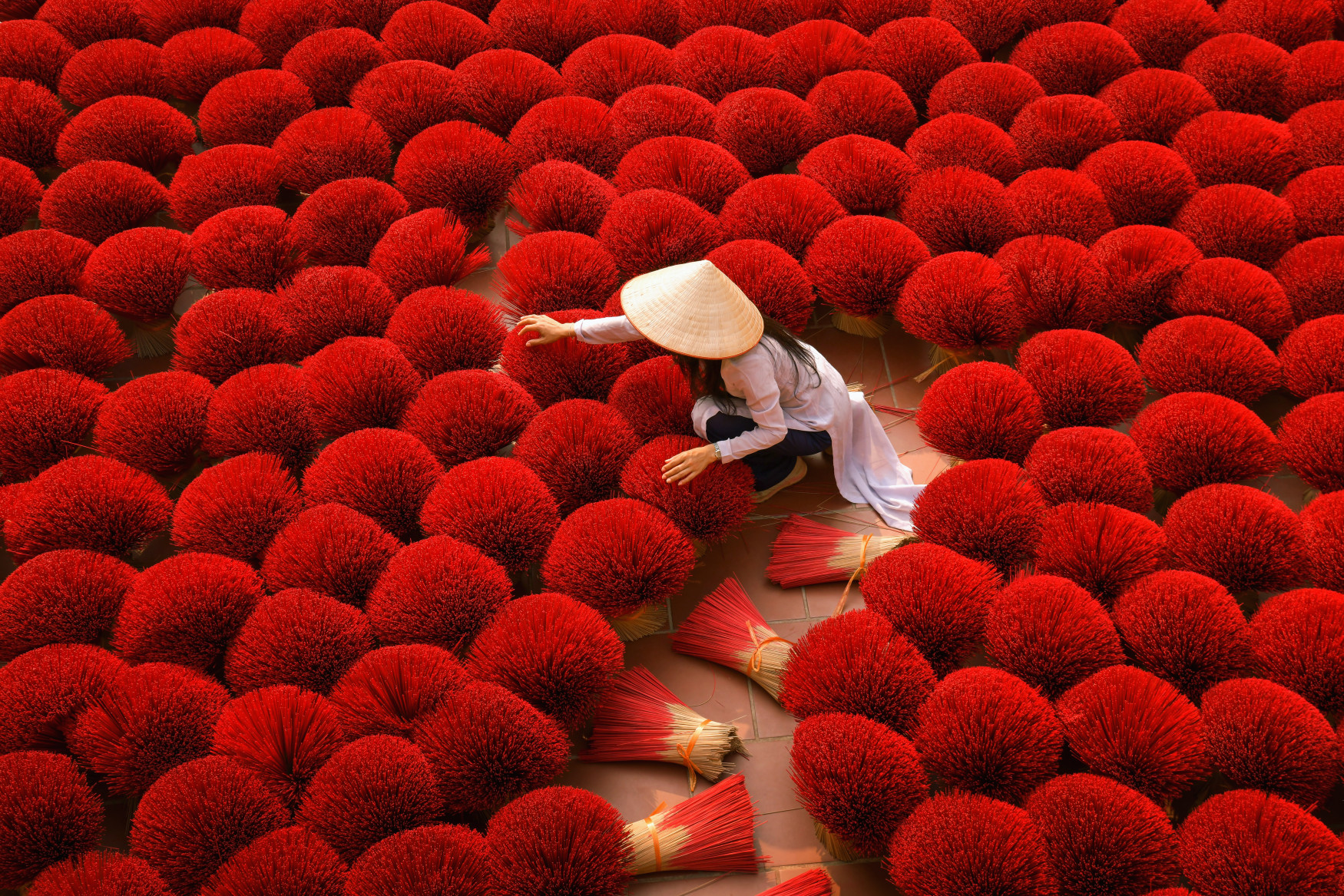
Thinking of travelling to Vietnam?
From the lively streets of Hanoi to the lantern-lit charm of Hoi An, the emerald waters of Ha Long Bay and the waterways of the Mekong Delta, Vietnam is a country full of contrast and colour. Whether it’s your first visit or you’re returning to explore more, our FAQs answer the most common questions about travelling to Vietnam from the UK.
If you’re still deciding where to go, have a look at our Vietnam holidays, including our popular South to North Vietnam tour, with the option to extend to Angkor Wat in Cambodia or Luang Prabang in Laos.
Before You Go
Q: Do I need a visa to travel to Vietnam from the UK?
A: British citizens can visit Vietnam visa-free for up to 45 days. For longer stays, apply for an e-Visa online at a cost before you travel. Your passport must be valid for at least six months after your return. Citizens of other countries, including Ireland, may need a visa. Always check the latest entry requirements before you go.
Q: What vaccinations do I need for Vietnam?
A: Please consult your GP or a travel health clinic about recommended vaccinations before travelling. You can also find up-to-date advice on the NaTHNaC website.
Q: When is the best time to visit Vietnam?
A: The best time depends on your route. The north (Hanoi, Ha Long Bay) is dry and cooler from October to April. The centre (Hue, Hoi An) is warm year-round but wetter between September and December. The south (Ho Chi Minh City, Mekong Delta) is hot throughout the year, with rain from May to October.
Q: What should I pack for a holiday in Vietnam?
A: Light, breathable clothing such as cotton or linen is ideal for Vietnam’s warm and often humid climate. Loose-fitting clothes help keep you comfortable, especially in the south and along the coast. If you are visiting the north or the central highlands, bring a jumper or light jacket for cooler evenings, as temperatures can drop at night, particularly from December to February. A lightweight waterproof or poncho is useful during the rainy months, as showers can appear suddenly.
Comfortable shoes or sandals are essential for walking tours, exploring markets and sightseeing. When visiting temples, pagodas or rural areas, modest clothing is important; both men and women should cover their shoulders and knees, and you may be asked to remove your shoes before entering religious sites. A scarf or light shawl is handy for covering up when needed and can also be used for sun protection.
If your holiday includes a Ha Long Bay cruise, time at the beach in Hoi An, or hotels with pools, remember to bring swimwear and a light cover-up. Insect repellent is also recommended, especially in rural areas, and sunscreen, sunglasses and a hat are essential for daytime exploring.
Practical Information
Q: What is the currency in Vietnam?
A: The local currency is the Vietnamese Dong (VND). Cash is widely used, though cards are accepted in hotels and larger shops. ATMs are common in towns and cities. Keep smaller notes handy for markets. Taxis, and tips.
Q: What should I know about local customs and etiquette?
A: Vietnamese people are friendly, polite and respectful, and visitors are warmly welcomed. When visiting temples or pagodas, dress modestly by covering your shoulders and knees, and remove your shoes before entering. Avoid touching anyone’s head, as it is considered impolite, and use both hands when giving or receiving something as a sign of respect. Public displays of affection are uncommon, and it’s best to behave discreetly in religious or rural areas.
The cost of living in Vietnam is low compared to the UK, so tipping is an important way to show appreciation for good service. A small tip is always welcome when eating out, having drinks, or using local services such as taxis and guides.
Wages in Vietnam are low compared to the UK, so tipping is an important way to show appreciation for good service. A small tip is always welcome when eating out, having drinks, or using local services such as taxis and guides.
Q: Is English widely spoken in Vietnam?
A: English is spoken in hotels, restaurants and tourist areas, though it’s less common in rural places. Locals are welcoming and eager to help, and many signs in towns and cities are in both Vietnamese and English.
Q: What is the tipping culture in Vietnam?
A: Tipping is common in tourist areas. If you receive good service, you may want to leave a tip, although this is completely at your discretion. In restaurants, around 5-10% is usual, although service is sometimes included. If you want to tip your guides, around $3-5 per person per day is usual if you are in a group, and around half of this for drivers.
Health and Safety
Q: Is Vietnam safe to travel to?
A: Yes, Vietnam is considered a very safe country to visit, with low crime rates and welcoming people. Petty theft can occasionally occur in busy areas, so it’s sensible to keep an eye on your belongings and avoid carrying valuables in open bags. Use official taxis or ride-hailing apps such as Grab for convenience and safety. Roads can be busy, especially in cities where motorbikes outnumber cars, so take care when crossing and follow the locals’ lead. Pavements are often used for parking or seating, so be prepared to step into the road when walking through city streets.
Q: What happens if I get ill while in Vietnam?
A: If you feel unwell, let your guide or hotel staff know straight away. Medical facilities in major cities are good and English-speaking doctors are available. In rural areas, facilities can be basic, so travel insurance that covers medical treatment and repatriation is essential.
Connectivity and Communication
Q: What are the options for mobile data and SIM cards?
A: Most hotels, cafés and restaurants in Vietnam offer reliable Wi-Fi. If your UK mobile plan does not include roaming in Vietnam, you can stay connected by purchasing a local SIM card or an eSIM. Local networks such as Viettel, Vinaphone and Mobifone offer good coverage throughout the country, and you’ll need your passport to register. Alternatively, you can set up an eSIM before you travel using providers such as Airalo, which allows you to download a data plan directly to your phone. It’s an easy option that saves you time at the airport and avoids the need for a physical SIM card.
Getting Around
Q: How do I get around in Vietnam?
A: Travelling around Vietnam is relatively easy, with plenty of options depending on distance, comfort and budget. Domestic flights are the quickest way to cover long distances, such as between Ho Chi Minh City, Da Nang and Hanoi, with several daily services and good reliability. Trains are a scenic and relaxing way to see the country, particularly along the coastal route between Hue and Da Nang, although they are slower than flying. For shorter journeys, taxis are widely available in all major cities, and Grab, Vietnam’s version of Uber, is a convenient way to book both cars and motorbikes directly from your phone. In smaller towns, you’ll also find Easyriders, local motorbike drivers who can take you on short rides or guided tours, offering a great way to see the countryside.
If you’re travelling with Llama Travel, all your transport is included in your holiday. This covers private air-conditioned vehicles for transfers and sightseeing, and internal flights featured in the itinerary.
Food and Drink
Q: What’s the food like in Vietnam?
A: Vietnamese food is fresh, light and full of flavour, with plenty of herbs, noodles and rice-based dishes. Popular favourites include phở (noodle soup), bánh mì (crispy baguette sandwiches) and bún chả (grilled pork with noodles). Street food is a big part of local life, and the general rule is that the smaller the chair, the cheaper (and often better) the meal. If you want to eat like Anthony Bourdain, try Bún chả Hương Liên for the cheapest Michelin guide meal you’ll ever have!
Many places specialise in just one dish, so you might go to one place for phở, another for bánh mì and somewhere else for bún chả. It’s a great way to eat like a local and sample authentic flavours. Vegetarian options are easy to find, though some dishes include fish sauce, so it’s worth asking. And don’t miss a glass of strong Vietnamese coffee, usually served with condensed milk.
Q: Can I drink tap water in Vietnam?
A: It’s safest to drink bottled or filtered water. Many hotels provide refill stations. Ice in good hotels and restaurants is usually safe, but check locally if you’re unsure.
What to See
Q: What are the highlights of Vietnam?
A: Vietnam is full of variety, from its historic cities to its beautiful countryside. In the north, Hanoi’s Old Quarter is packed with character and Ha Long Bay is known for its striking limestone islands, best explored on an overnight cruise. In the centre, Hue offers impressive royal tombs and temples, while Hoi An is famous for its lantern-lit streets and riverside cafés. In the south, Ho Chi Minh City is lively and full of history, with markets, museums and great food. A boat trip through the Mekong Delta gives a glimpse of rural life, with floating markets and small villages along the waterways.
Q: How many days do I need for a Vietnam holiday?
A: Around 10–14 days gives you enough time to see the main highlights at a relaxed pace, travelling from south to north or vice versa.
Q: Where should I go in Hanoi?
A: Hanoi is best explored on foot, starting in the Old Quarter, where narrow streets are lined with market stalls, small cafés and shops that each specialise in a single trade. Hoan Kiem Lake is a central landmark and a pleasant place for a morning or evening walk. The Temple of Literature, founded in 1070, offers a quiet look at Vietnam’s scholarly past, while the Ho Chi Minh Mausoleum and nearby Presidential Palace provide insight into the country’s modern history. The Museum of Ethnology is also worth visiting for a deeper understanding of Vietnam’s many ethnic groups. In the evening, a traditional water puppet performance offers an enjoyable glimpse into local storytelling traditions.
Q: Where should I go in Lan Ha Bay?
A: The best way to experience Lan Ha Bay is on an overnight cruise. Sail among limestone islands, kayak through caves, and watch the sun set over the water.
Q: Where should I go in Hue?
A: Hue was once the imperial capital of Vietnam and remains one of the country’s most historic cities. The main attraction is the Imperial Citadel, a vast complex of palaces, temples and gates surrounded by moats and walls. Along the Perfume River, you’ll find the Thien Mu Pagoda, one of Vietnam’s oldest, and the royal tombs of the Nguyen emperors, each set in peaceful landscaped gardens. The city’s central market is good for local food and souvenirs, and a short boat ride on the river offers lovely views of Hue’s traditional life along the banks.
Q: Where should I go in Hoi An?
A: Hoi An is one of Vietnam’s most atmospheric towns, known for its well-preserved architecture and relaxed pace. The Ancient Town is best explored on foot, with highlights including the Japanese Covered Bridge, traditional merchant houses and small family temples. The central market is lively in the mornings, and the riverside is lovely for a walk or a short boat trip, especially at sunset. Hoi An is also famous for its tailors, who can make clothes to order in just a day or two. At night, the streets glow with colourful lanterns, and nearby An Bang Beach offers a quiet spot to swim.
Q: What can I see at the My Son Jungle Temples?
A: The My Son Sanctuary is one of Vietnam’s most important archaeological sites and a UNESCO World Heritage Site. Located in a lush valley near Hoi An, it was once the spiritual centre of the Cham civilisation. Wander among red-brick temples and towers dating back over 1,000 years, many dedicated to Hindu gods. Visiting with a guide brings the site to life, explaining the symbolism, history and remarkable construction techniques used by the Cham people.
Q: Where should I go in Ho Chi Minh City?
A: Still often called Saigon, Ho Chi Minh City is Vietnam’s largest and busiest city, combining French colonial architecture with a fast-paced modern energy. Key sights include the Reunification Palace, Notre Dame Cathedral and the War Remnants Museum, which offers a powerful look at Vietnam’s recent history. The Central Post Office is another architectural landmark worth visiting. For shopping and local life, head to Ben Thanh Market, where you can find everything from souvenirs to fresh street food. In the evening, rooftop bars and local eateries come alive, giving you a real sense of the city’s energy.
Q: What can I see at the Cu Chi Tunnels?
A: The Cu Chi Tunnels offer a fascinating insight into Vietnam’s wartime history. Located just outside Ho Chi Minh City, this vast underground network was used by the Viet Cong as living quarters, supply routes and hideouts. You can explore sections of the tunnels, see hidden entrances and learn how people survived underground.
Q: Where should I go in the Mekong Delta?
A: The Mekong Delta offers a slower, more traditional side of Vietnam. Travelling by boat along the canals is the best way to experience it, passing stilted houses, fruit orchards and rice fields. Visit one of the floating markets, where traders sell produce from their boats, and stop at small family workshops that make coconut sweets, rice paper or noodles by hand. Towns such as Cai Be and Can Tho are good bases for exploring the region. Life here revolves around the river, and even a short visit gives a fascinating glimpse of daily life in rural Vietnam.
Q: What can I do in Mai Chau?
A: Mai Chau is an idyllic rural escape from the hustle and bustle of Vietnam’s big cities, set among green rice paddies and gentle hills. Visit some of the villages of the local Tai Don people to learn about their culture and traditional way of life, walk along streams through corn fields and rice paddies, and enjoy a peaceful bamboo raft ride down the river.
Q: What can I do in Pu Long?
A: Pu Luong is a secluded rural escape around 160km from Hanoi, ideal for walking and cycling through terraced hills, forests and traditional stilt-house villages. One of the area’s defining sights is its spindly bamboo waterwheels, which lift river water into aqueducts that feed the rice paddies. Here, you can truly experience life in rural Vietnam, enjoying leisurely walks or cycling through the stunning hill scenery.
Still have questions about travelling to Vietnam?
Our team is happy to help. Call us on 020 7263 3000 or explore our Vietnam holidays to start planning your trip.
Published in
Advanced page template
Tagged under
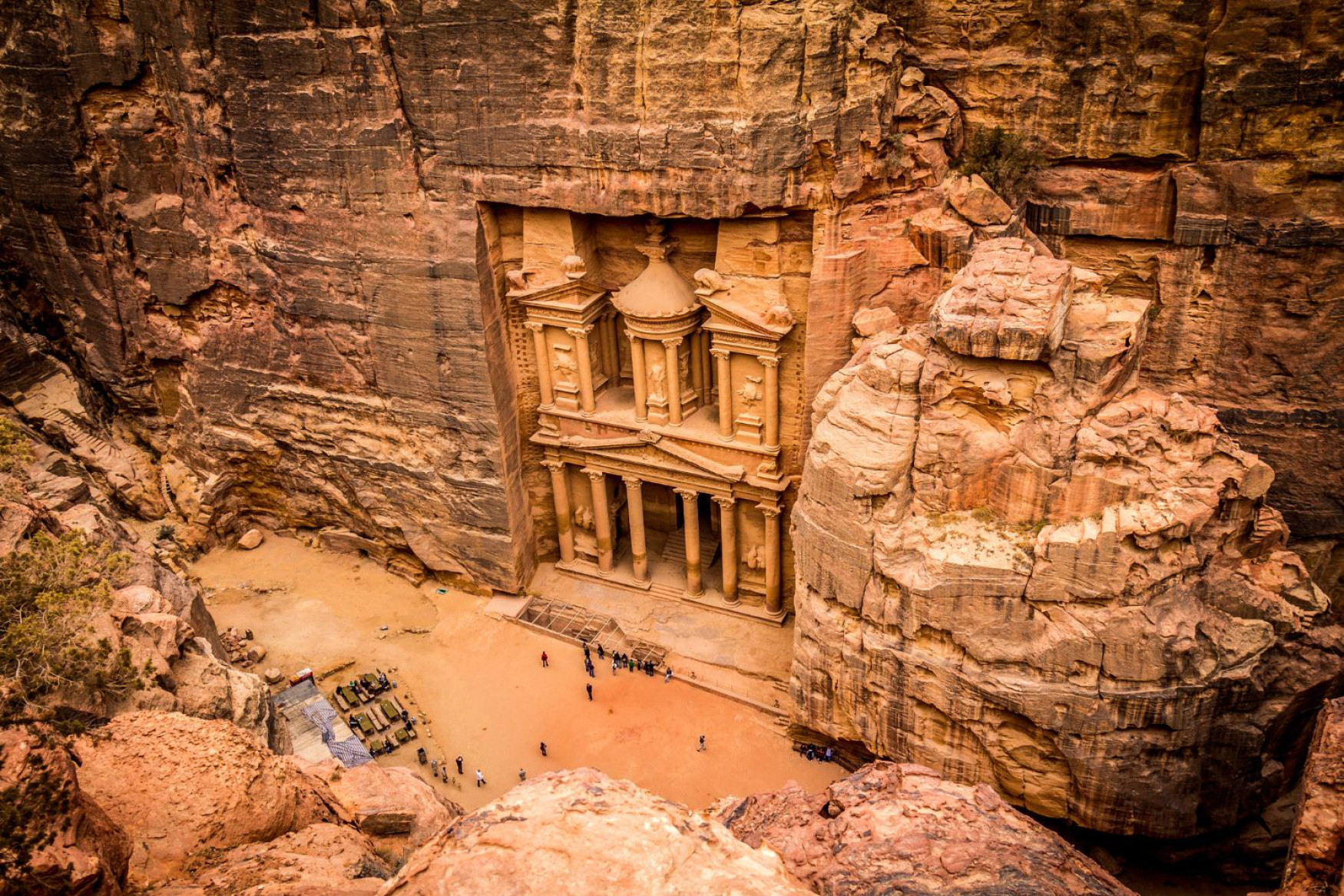
Thinking of travelling to Jordan?
Jordan is home to some of the Middle East’s most impressive sights, from the ancient city of Petra and the wide-open landscapes of Wadi Rum to the Roman streets of Jerash and the shores of the Dead Sea. Whether you’re planning your first visit or returning to explore more, these FAQs answer the questions UK travellers ask most often.
If you’re still deciding where to go, take a look at our Jordan holiday, which include the main highlights as well as options to extend your trip.
Before You Go
Q: Do I need a visa for Jordan?
A: To visit Jordan, you need a full 10-year passport valid for 6 months after your return to the UK. You will need a visa to enter Jordan. The Jordan visa is included in the price of your holiday. On arrival in Amman our representatives will meet you prior to immigration and this will be provided to you free of charge. For British passports endorsed in any way and all other passports, please ask the Jordanian consulate.
Q: What vaccinations or health advice do I need for Jordan?
A For the most up-to-date guidance, visit NaTHNaC or speak with your GP or a travel health clinic before travelling.
Q: What should I pack for a trip to Jordan?
A: Lightweight, breathable clothing is ideal for Jordan’s warm, dry climate, but temperatures can vary depending on where you are and when you travel. Amman and the highlands can feel cool in the evenings, especially in spring and autumn, so pack a fleece. Petra and Wadi Rum have similar conditions, with hot days and noticeably cooler nights, while the Dead Sea is warmer year-round. Rain is not common, but possible at any time, so a light waterproof is useful.
Modest dress is important when visiting religious or traditional places, so bring clothing that covers shoulders and knees. A hat, sunscreen and a small scarf are helpful for sun protection at open archaeological sites. Comfortable walking shoes are recommended for exploring Petra and other historic areas.
Electricity in Jordan is 230V, with round two-pin plugs. Carry a copy of your passport with you while travelling, and ensure you bring any medication you may need from the UK.
Practical Information
Q: What’s the weather like in Jordan?
A: Jordan has a generally dry climate, with hot summers and mild winters. Temperatures vary by region: the desert areas, including Wadi Rum, can be very hot during the day but cool quickly once the sun sets, while Amman and the highlands are noticeably cooler, especially in winter. The Dead Sea is warm throughout the year thanks to its low elevation. Most travellers find the period from September to June the most comfortable for sightseeing.
Q: What should I know about local customs and etiquette?
A: Jordanians are known for their hospitality. Modest dress is appreciated in religious or conservative areas, and removing shoes may be required in certain places. A polite greeting is always welcomed, and respectful behaviour goes a long way.
Q: Is English widely spoken in Jordan?
A: Yes. English is common in hotels, restaurants and tourist areas, and your guide will assist in more rural parts.
Health and Safety
Q: Is Jordan safe to travel to?
A: Yes. Jordan is considered one of the safest destinations in the region and welcomes visitors warmly. As anywhere, keep valuables secure, be aware of your surroundings and follow the advice of your guide.
Q: What happens if I get ill while in Jordan?
A: Medical facilities in major cities are generally good, with English-speaking staff available. In more remote areas, clinics may be limited, and you may need to travel to a larger town for treatment. Make sure your travel insurance covers medical care and emergency transport. If you feel unwell, your guide or hotel can help arrange a doctor.
Connectivity and Communication
Q: What are the mobile data and SIM card options in Jordan?
A: Many hotels and cafés offer Wi-Fi. If your UK provider doesn’t include Jordan in its roaming plan, you can buy a local SIM at the airport or in major towns. eSIM options may also be available. You’ll need your passport for registration.
Getting Around
Q: How do I get around in Jordan?
A: Getting around Jordan is straightforward, and travelling by road is the most common way to move between the country’s main sights. Roads are generally good, although journeys through desert or mountain areas can take longer due to winding routes or occasional roadworks. Most people choose to travel with a private driver or as part of an organised tour, as distances can be long and signposting is sometimes limited. With Llama Travel, all transfers and transport are arranged in advance, using comfortable air-conditioned vehicles and experienced local drivers.
Public transport exists, but it is less convenient for sightseeing. Local buses run between major towns, but they do not always operate to a fixed timetable and can be crowded. Taxis are plentiful in cities such as Amman, although long-distance travel is usually better arranged in advance.
Jordan does not have an extensive train network, and rail travel is not commonly used for tourist routes. Most travellers rely on road transport for journeys between places such as Amman, Petra, Wadi Rum and the Dead Sea. The scenery can be impressive, with stretches of desert and occasional villages along the way.
Domestic flights are limited but can be useful for specific routes, such as between Amman and Aqaba on the Red Sea. These flights are short and help reduce long road journeys, especially if you are short on time.
Food and Drink
Q: What’s the food like in Jordan?
A: Jordanian food is full of flavour. Expect plenty of mezze, hummus, falafel, grilled meats, fresh bread and simple, tasty desserts. Street food is popular and good value. Vegetarian options are widely available, though dishes can sometimes contain stock or small amounts of meat, so check if unsure.
Q: Can I drink tap water in Jordan?
A: Bottled water is recommended throughout the country. Most hotels provide bottled water or filtered alternatives.
What to See
Q: What are the highlights of Jordan?
A: Most visitors follow a route that includes Jordan’s key sights. Petra is the main highlight, with its rock-cut temples and the famous Treasury hidden at the end of the Siq canyon. Wadi Rum offers open desert landscapes, sandstone cliffs and very clear night skies. To the north, Jerash is an impressive Roman city with colonnaded streets and large theatres. The Dead Sea is known for its highly salty water where you float easily, and Amman combines ancient sites like the Citadel with busy markets and modern cafés.
Q: How many days do I need for a Jordan holiday?
A: Around seven to ten days gives enough time to visit the main sites comfortably. Llama Travel’s itineraries usually include Petra, Wadi Rum, Amman, Jerash and the Dead Sea, with options to extend your stay.
Q: Where should I go in Petra?
A: Start with the walk through the Siq, a narrow sandstone gorge that leads to the Treasury, Petra’s most famous sight. From there, you can explore the Street of Facades, the Royal Tombs and the main trail towards the site’s centre, where you’ll find temples, markets and the remains of ancient houses. The High Place of Sacrifice offers a good viewpoint if you’re happy with a climb. If you have more time, the walk up to the Monastery is known for being rather rewarding, with fewer people and wide views over the surrounding hills.
Q: Where should I go in Wadi Rum?
A: A jeep tour is the best way to see the desert’s rock formations, sand dunes and natural arches. Spending a night in a desert camp gives you a chance to enjoy the sunset and an exceptionally clear night sky.
Q: Where should I go at the Dead Sea?
A: The main reason to visit is the experience of floating in the salty water, as well as to relax after a busy tour around Jordan. Many hotels also offer spas, mud treatments and sunset views across the water.
Q: Where should I go in Amman and Jerash?
A: In Amman, the Citadel and Roman Theatre offer excellent insight into the city’s past. Jerash, just north of the capital, has the best-preserved Roman ruins outside of Italy, including a vast forum, colonnaded streets and temples.
Still have questions about travelling to Jordan?
Our team is happy to help. Call us on 020 7263 3000 or explore our Jordan holidays to begin planning your trip.
Published in
Advanced page template
Tagged under
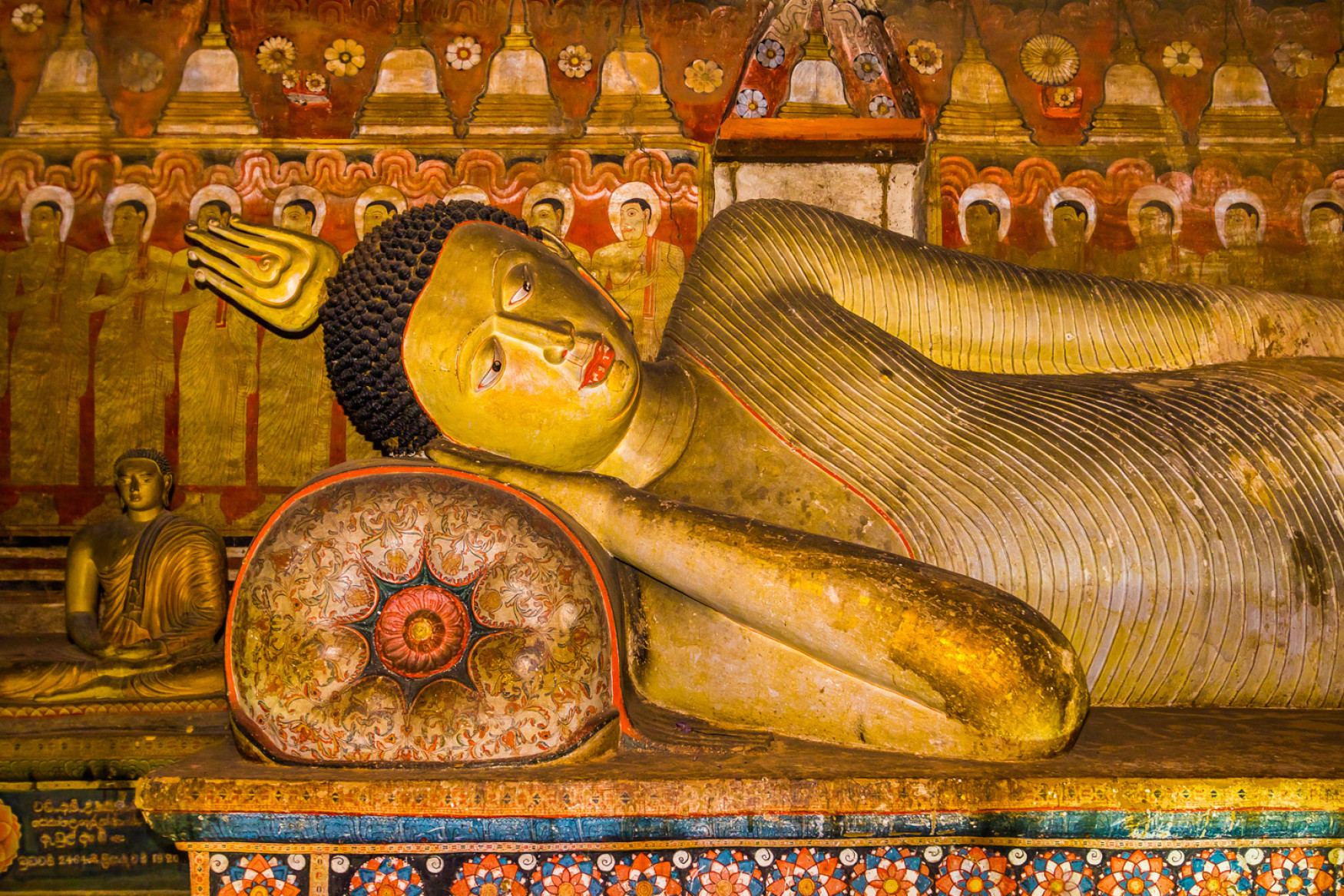
Thinking of travelling to Sri Lanka?
From ancient cities and misty hill towns to tea country, national parks and golden beaches, Sri Lanka offers a wonderful mix of culture, scenery and wildlife. Whether you’re planning your first visit or returning to see more, our FAQs answer the most common questions about travelling to Sri Lanka from the UK.
If you’re still deciding where to go, take a look at our Sri Lanka holidays, including the Cultural Triangle, game drives to look for leopards, scenic train rides, and stays on tropical beaches at Negombo and Bentota.
Before You Go
Q: Do I need a visa to travel to Sri Lanka from the UK?
A: Yes, all visitors to Sri Lanka, including British nationals, require an electronic Travel Authorisation (ETA), which must be obtained online in advance, and for which there is a cost. You can apply for single-entry and transit visas on the ETA website. For more information, see the website of the Sri Lanka High Commission. For British passports endorsed in any way and all other passports, please ask the Sri Lankan consulate. You need a passport with two blank pages, valid for six months after your return to the UK.
Q: What vaccinations do I need for Sri Lanka?
A: We recommend checking the latest health advice before you travel. Please consult your GP or a travel health clinic to discuss any vaccination or medication requirements for your trip. Up-to-date guidance for travellers is available from NaTHNaC.
Q: What should I pack for a holiday in Sri Lanka?
A: Lightweight, breathable clothing is ideal for the tropical coast and lowlands. If you plan to visit the hill country, bring a jumper or fleece for cooler evenings. Modest dress (shoulders and knees covered) is appreciated when visiting temples or local villages. A sun-hat, insect repellent, and a plug adaptor for Sri Lanka’s sockets are also good to have.
Practical Information
Q: What’s the weather like in Sri Lanka?
A: Temperatures in Sri Lanka vary depending on where you are. Along the coast, daytime highs often reach 30°C or more, while in the Central Highlands temperatures can fall below 10°C at night. The west and south coasts, including Bentota, are driest from December to March, while the Cultural Triangle stays warm year-round. The hill country around Kandy and Nuwara Eliya is cooler and can be misty in the mornings. Rain is possible at any time of year and can be heavy, but showers are usually short-lived.
Q: What should I know about local customs and etiquette?
A: Sri Lankans are friendly and welcoming, and visitors are treated with kindness and respect. When visiting temples, cover your shoulders and knees, remove shoes and hats, and avoid turning your back to Buddha statues for photos. Greeting people with “ayubowan” is considered polite, and modest behaviour is appreciated throughout the country.
Q: Is English widely spoken in Sri Lanka?
A: Yes. English is widely spoken in hotels, tourist areas and many restaurants, making it relatively easy for UK travellers to communicate. You’ll find local English proficiency is good, though in rural areas you may encounter more language variety.
Health and Safety
Q: Is Sri Lanka safe to travel to?
A: Overall, yes. Sri Lanka is a friendly, accessible destination. As in any country, keep an eye on your belongings, avoid risky areas after dark and follow local advice. Llama Travel trips use trusted local partners and well-vetted hotels.
Q: What happens if I get ill while in Sri Lanka?
A: If you feel unwell while in Sri Lanka, please let our local partners or your hotel staff know straight away. They can arrange for a doctor or hospital visit if needed. Medical facilities in major towns and cities are generally good, with English-speaking doctors available, but services can be more limited in rural areas, and a transfer may be required for hospital care. We recommend having comprehensive travel insurance that covers medical treatment and repatriation.
Connectivity and Communication
Q: What are the options for mobile data and SIM cards in Sri Lanka?
A: Stay connected easily. Most UK mobile networks offer roaming services in Sri Lanka, though charges may apply. Alternatively, local SIM cards are available at airports or convenience stores, and many hotels offer Wi-Fi. If you prefer, an eSIM can be pre-loaded before you travel.
Getting Around
Q: How do I get around in Sri Lanka?
A: Getting around Sri Lanka is straightforward, with several transport options depending on your route and budget. Many visitors choose to travel by private vehicle with a driver and guide, which is the most comfortable and flexible way to explore, especially as roads can be narrow and journeys take longer than expected in hilly areas. Trains are a memorable way to see the country, particularly through the hill country between Kandy, Nuwara Eliya and Ella, where the scenery is incredible, though services are slow and often busy. Buses connect most towns and are cheap, but they can be crowded and less comfortable. Domestic flights are available between some major destinations and are the quickest way to cover long distances. Taxis and tuk-tuks are easy to find in towns and coastal areas for short trips, with fares usually agreed in advance or by meter.
With Llama Travel, transport is arranged for you using private, air-conditioned vehicles and scenic train rides where available, all of it included in the trip.
Food and Drink
Q: What’s the food like in Sri Lanka?
A: Sri Lankan food is full of flavour, with a wide variety of dishes influenced by the country’s mix of cultures. A typical meal includes rice and curry, served with vegetables. Along the coast, fresh seafood is a highlight, while inland regions are known for vegetable and lentil curries. You’ll also find plenty of tropical fruits and Ceylon tea grown in the hill country. Many dishes are spiced rather than hot, and vegetarian options are easy to find, though some may include fish stock or shrimp paste. If you have dietary requirements, let your guide or hotel know.
Q: Can I drink tap water in Sri Lanka?
A: It’s safest to stick with bottled or well-filtered water. Ice and raw salads may be washed in water of uncertain quality, so caution is wise.
What to See
Q: What are the highlights of a Sri Lanka holiday?
A: Sri Lanka combines history, nature and relaxation in one journey. Explore the ancient cities and rock fortress of Sigiriya in the Cultural Triangle, visit Kandy to see the Temple of the Sacred Tooth, travel through the tea-covered hills of the Central Highlands, and go on safari in Yala National Park to spot elephants and leopards. Finish your trip by relaxing on the south coast, where golden beaches provide the perfect end to your holiday.
Q: How many days do I need for a Sri Lanka holiday?
A: A comfortable trip is around 10–14 days, allowing time to explore the cultural heartland, enjoy some nature/wildlife and relax on the coast. Shorter visits are possible but may feel hurried.
Q: What to see in Negombo?
A: Negombo is a relaxed coastal town close to Colombo Airport, making it a convenient first or last stop on your trip. Its wide sandy beach is ideal for a gentle walk or a sunset drink. You can explore the Dutch-built canal network, the fish market, and the town’s colonial-era churches. Negombo also has good seafood restaurants and small local shops, offering an easy introduction to life in Sri Lanka.
Q: What to see in the Cultural Triangle?
A: The Cultural Triangle, in the centre of Sri Lanka, is where much of the island’s ancient heritage can be found. Dominated by Sigiriya Rock Fortress, this region is home to centuries of history, art and religion. Climb Sigiriya to see its famous frescoes and enjoy the views from the summit, then visit the Dambulla Cave Temples, where over a hundred Buddha statues and vivid murals line the chambers. Nearby Polonnaruwa, once a royal capital, offers a glimpse of medieval Sri Lanka through its temples, palaces and sculptures. There is also the chance to spot wildlife, including herds of wild elephants herds of wild elephants. Some wildlife reserves can get overcrowded. Llama Travel offers a game drive in the less-visited Wasgamuwa National Park.
Q: What to see in Kandy?
A: Kandy is Sri Lanka’s cultural capital, set around a scenic lake and surrounded by green hills. Its main attraction is the Temple of the Tooth, one of Buddhism’s most sacred sites. You can also visit the Royal Botanical Gardens in nearby Peradeniya, stroll around Kandy Lake, or explore the lively central market. In the evenings, traditional music and dance performances give a glimpse of local culture.
Q: What to see in Yala?
A: Yala National Park is one of the best places in Sri Lanka to see wildlife. Although it can get busy, it is well worth visiting and offers possibly the best chance of spotting leopards in Sri Lanka. There are also elephants, crocodiles, deer, and many species of birds. Safaris take place in the early morning or late afternoon, when animals are most active. The park’s varied landscapes, from open plains to lagoons and forest, make every drive different and full of interest.
Q: What to see in Bentota?
A: Bentota is one of Sri Lanka’s most popular beach resorts, known for its long sandy beaches and calm seas. It’s a great place to relax at the end of your trip, with opportunities for boat rides on the Bentota River, and water sports such as snorkelling or sailing. The nearby town of Galle, with its historic fort and colonial streets, also makes an excellent day trip.
Still have questions about travelling to Sri Lanka?
Our team is happy to help. Call us on 020 7263 3000 or explore our Sri Lanka holidays to start planning your trip.
Published in
Advanced page template
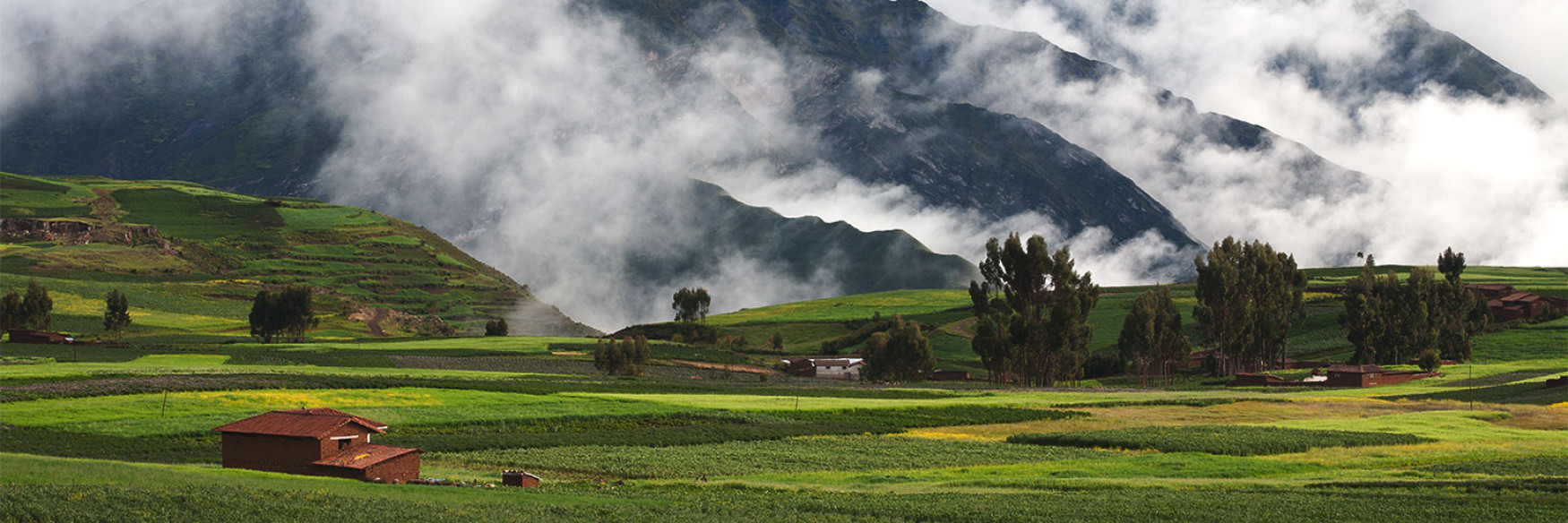
The best time to visit Peru varies by region, but in general, March to November is best if you’re visiting Cusco, Machu Picchu or Lake Titicaca. On the other hand, if you only want to visit coastal regions such as Lima or Paracas, December to March is best.
Peru's Climate
In the highlands, including Cusco, Arequipa and Lake Titicaca, the dry season lasts from April to October, when it is usually warm and sunny, although nights can be cold. In March and November the weather is more changeable, and rain is more common; however, temperatures are higher. The rainy season is at its heaviest from December to February.
In coastal cities, such as Lima and Paracas, it is warm and humid for much of the year, with overcast skies broken by occasional sunshine from April to November. December to March is usually sunny. Rain is rare at any time of the year.
In Amazon areas, such as Puerto Maldonado, it is hot and humid all year round although there is a little less rain from May to September. The dry season is the best time of year for wildlife watching as animals come out to drink by the shrinking rivers, and the mosquitoes are less active.
| Destination | Jan | Feb | Mar | Apr | May | Jun | Jul | Aug | Sep | Oct | Nov | Dec | ||||||||||||||
|
Lima |
Temp (°c) | Max | 26 | 27 | 26 | 24 | 22 | 20 | 19 | 18 | 19 | 20 | 22 | 24 | ||||||||||||
| Min | 19 | 20 | 19 | 18 | 16 | 15 | 15 | 15 | 15 | 15 | 16 | 18 | ||||||||||||||
| Rainfall (cm) | 0 | 0 | 0 | 0 | 0 | 0 | 0 | 0 | 0 | 0 | 0 | 0 | ||||||||||||||
|
Cusco |
Temp (°c) | Max | 19 | 19 | 19 | 20 | 20 | 20 | 19 | 20 | 20 | 21 | 21 | 21 | ||||||||||||
| Min | 7 | 7 | 6 | 5 | 3 | 0 | 0 | 2 | 4 | 6 | 6 | 6 | ||||||||||||||
| Rainfall (cm) | 16 | 13 | 11 | 4 | 1 | 1 | 1 | 1 | 1 | 5 | 8 | 12 | ||||||||||||||
|
Puerto Maldonado |
Temp (°c) | Max | 30 | 30 | 30 | 30 | 29 | 29 | 30 | 31 | 32 | 32 | 31 | 31 | ||||||||||||
| Min | 23 | 23 | 23 | 22 | 20 | 19 | 18 | 19 | 20 | 22 | 22 | 23 | ||||||||||||||
| Rainfall (cm) | 29 | 28 | 21 | 13 | 8 | 5 | 4 | 4 | 8 | 14 | 18 | 23 | ||||||||||||||
VISITING PERU IN THE RAINY SEASON
If you are planning on visiting Peru during the rainy season, be aware that the Inca Trail closes for annual maintenance throughout February. Other routes, such as the Salkantay Trail, remain open, but anticipate delays if you are taking the train from Aguas Calientes, as the heavy rains cause frequent disruptions.
Please note that we don’t offer Peru holidays during the rainy season. (December to February)
Inca trail permits
If you are looking to hike the Inca Trail, you may want to consider the availability of permits when planning your trip. The Peruvian government limits the number of permits to 500 each day to prevent overcrowding, including guides, porters, cooks and other support staff. This leaves around 200 permits for trekkers each day.
Permits for the trail are released each October, and some dates sell out quickly, often in days. The most popular months are April (Easter dates), May, June, July, August and September. No matter when you are planning your trip for, we recommend booking well in advance (at least six months) to ensure yourself a place.
| Jan | Feb | Mar | Apr | May | Jun | Jul | Aug | Sep | Oct | Nov | Dec | |
| Popularity | Low | Closed | Med | High | High | High | High | High | High | Med | Low | Low |
May is the month that sells out the quickest, followed by Easter dates and June.
Browse all of our Peru holidays here
Published in
Advanced page template
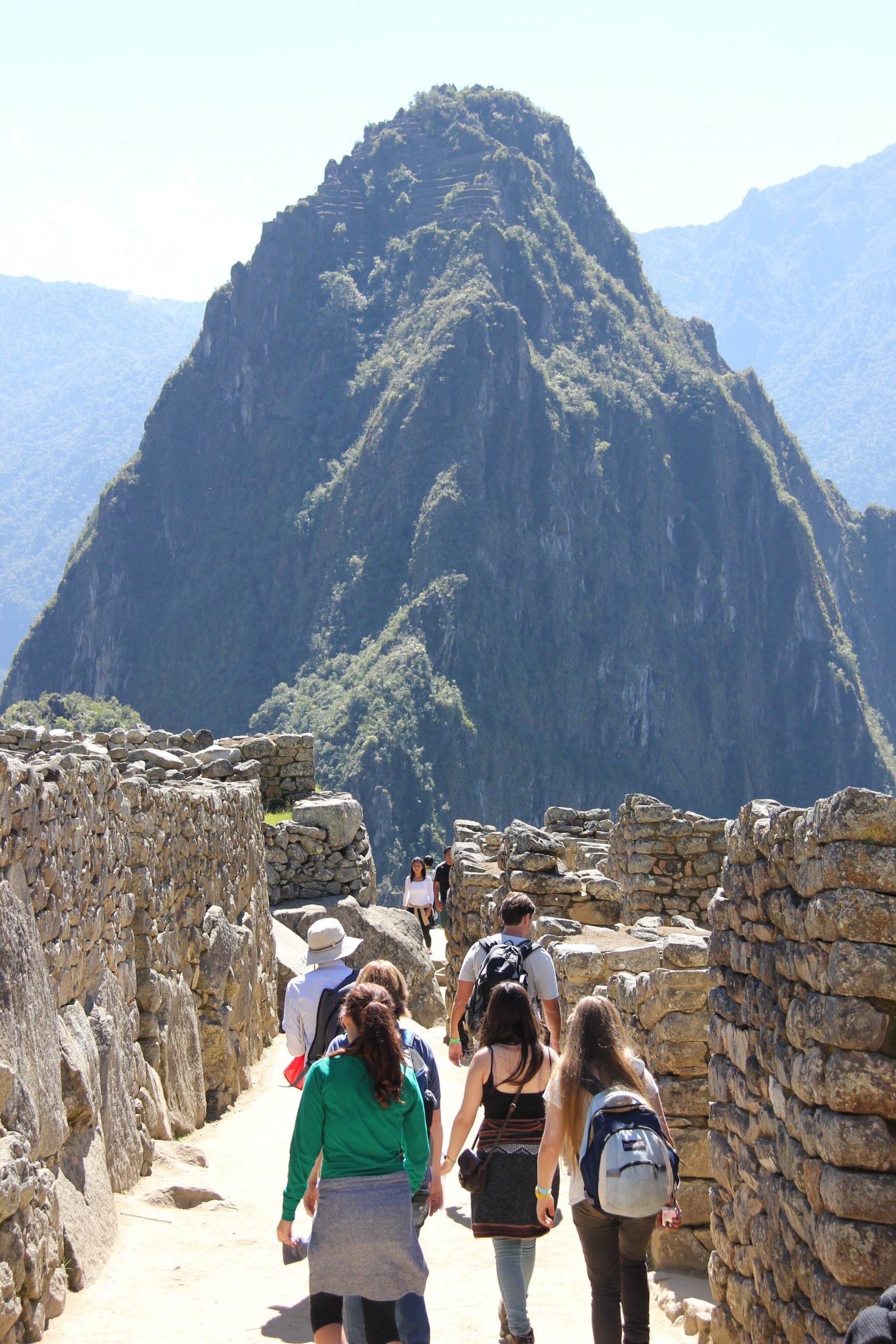
About us
Q: Who are Llama Travel?
A: Llama Travel is a family-run company, established in the UK in 2002. The company was founded by Luca Newbold, who had lived in Peru for four years and travelled all over Latin America, and Charles Newbold, former Managing Director of Thomson Holidays (Tui). We specialise in creating small group tours to Latin America, Africa, Asia, and the Middle East. Our goal is simple: to offer well-organised and flexible holidays, with great value, while travelling in a small group.
Q: Why should I book with Llama Travel?
A: Our focus is on offering the best possible holidays at the best possible prices. We’ve been recognised with multiple awards for our excellent service and value, and 99% of our past customers say they would recommend us to a friend. You can read what people say about travelling with us [here]. What’s more, we know that customer service is essential. So when you call us, you’ll speak to a person. Our sales team loves travel, and wherever you want to travel, you can speak to someone who’s been there.
Q: Why does Llama Travel not sell through agents?
A: Selling directly to our customers means we can keep prices lower by avoiding agents’ fees. It also means you speak directly with our knowledgeable team, who know our holidays inside-out. We love getting to know our customers and believe that direct contact allows us to deliver the best possible service, with enthusiasm and expertise at every stage of your journey.
Q: What financial protection is provided?
A: Your money is completely safe when you book with Llama Travel. All our flight-inclusive holidays are protected by the ATOL scheme (ATOL 5804), which means you’re covered in the unlikely event of airline or company failure. You’ll receive an official ATOL Certificate at the time of booking, confirming your protection. For more information about financial protection and the ATOL Certificate, go to www.atol.org.uk/ATOLCertificate. For holidays that do not include flights, your booking is insured by IPP Ltd and its panel of insurers, providing the same high level of financial protection. For further information, visit www.ipplondon.co.uk . Llama Travel is also in a strong financial position, and we take our responsibility to our customers seriously, so you can book and travel with total confidence.
About Our Holidays
Q: How do your holidays work?
A: Our small group holidays are flexible and designed to give you more choice. In many destinations, we use modular itineraries that can be combined in different ways, so you can tailor your holiday, but it allows us to keep our prices as low as possible. For example, our core Peru tour, Incas & Conquistadors, can be combined with modules visiting Lake Titicaca, Arequipa and the Colca Canyon, the Amazon rainforest, the Nazca Lines, and more, creating your perfect trip.
Q: How big are the groups?
A: Our groups are small, with a maximum of 18 people. This keeps the experience personal and flexible, while still offering great value. Travelling in a small group allows more time with your guide, easier access to sights and a friendly, sociable atmosphere with like-minded travellers.
Q: Who travels on Llama Travel holidays?
A: Our holidays are designed for UK travellers who enjoy exploring in small groups. Most people travel as couples or with friends, and we also welcome solo travellers, typically aged 40 to 70.
Q: How are you able to maintain such low prices? I worry that you are compromising on quality...
A: We never compromise on quality. We have set up our UK operation to be as efficient as possible. And because of the way we work in destinations, we work with specific hotels, so we are able to negotiate excellent rates. Our modular approach means we keep customers together, allowing us to offer the best possible prices. By selling direct and working closely with trusted local suppliers, we can negotiate excellent rates without cutting corners.
Q: Do you provide support while I’m away?
A: Yes, absolutely. You’ll have support throughout your trip from both our UK office and our trusted local partners. While most trips run seamlessly, if anything unexpected arises (like a flight delay or strike), we’ll assist you and keep you informed. Help is just a phone call or email away.
Q: What happens if something goes wrong?
A: We’re here to support you every step of the way. If something unexpected happens during your holiday, such as a flight delay, strike or local disruption, our UK team and trusted local partners will work quickly to make alternative arrangements and keep you informed.
During the COVID-19 pandemic, we brought all our customers home safely and refunded everyone who couldn’t travel, with no quibbles. That same level of care and integrity continues today, so you can book knowing you’re in safe hands.
Q: Which meals are included?
A: Breakfast is included every day. Some tours also include lunch and/or dinner, particularly during excursions or at full-board stays such as Galapagos cruises or wildlife lodges. However, eating out is part of the pleasure of travelling to a new place, so we also give you plenty of opportunities to discover the local cuisine on your own. You can find full meal details in each holiday’s day-by-day itinerary.
Q: Do your prices include international flights?
A: Yes. Flights from London are included in the price for all of our holidays. Regional departures are also available for a supplement – just ask our team for details. If you would rather book your own flights, we can also arrange holidays without flights.
Q: Which vaccinations do I need?
A: Each country has different requirements, and these can vary by age. You can visit www.travelhealthpro.org.uk for general guidance, or check the “Essential Information” section on your chosen holiday page for destination-specific details. We recommend consulting your GP or a travel health clinic for the latest vaccination and medical advice.
Q: Do I need a visa for my holiday?
A: For most of our destinations, UK citizens do not need a visa in advance, but details for each country are listed in the “Essential Information” on each holiday page.
Q: I’m a single traveller, will I be charged a single supplement?
A: Yes, there is a single supplement, as hotels charge extra for single occupancy. The cost varies by destination and hotel. Many of our travellers join us solo, and our team can advise on the single supplement for your chosen holiday.
Booking & Travel Details
Q: How can I pay for my holiday?
A: You can pay your deposit by debit or credit card, and your balance by bank transfer. We don’t accept credit cards for balance payments because card processing fees are high, and avoiding these costs helps us keep our prices as low as possible. All payments are protected under our ATOL and IPP schemes, so you can book with complete confidence.
Q: Is luggage included on the flight?
A: Yes. All our holidays include checked-in luggage on flights.
Q: Do I have to pay entrance fees locally?
A: All entrance fees are included on our excursions, so you don’t need to pay locally.
Q: What happens if my flight is cancelled?
A: In the rare event of a flight cancellation, our team – both in the UK and locally – will make alternative arrangements to keep your holiday running smoothly. We’ll liaise with the airline and update you throughout the process.
Q: Can I change my holiday after booking?
A: Yes, we’ll do our best to accommodate changes, subject to availability and any applicable amendment fees. Please contact us as early as possible if you’d like to make a change.
Q: How do I cancel my holiday booking?
A: If you need to cancel, please contact us as soon as possible by phone or email. Cancellation charges depend on how far in advance you cancel – full details can be found in our booking conditions. We always recommend taking out travel insurance that covers cancellation.
Q: Do you have special deals, offers, or last-minute discounts?
A: We often have discounts on our holidays. Just check the holiday you are interested in. You can find current offers on our website or by signing up to our newsletter to be among the first to hear about them.
Q: When and how will I receive my travel documents?
A: Your final travel documents – including your itinerary, flight details, and contact information for local partners – will be sent to you around two to three weeks before departure. You’ll receive them in the post, so you have a hard copy of all documents.
Q: Can you help arrange my travel visas?
A: Although we are unable to arrange visas on your behalf, summarised the main visa and passport requirements for our destinations to help you prepare for your trip. Visa requirements vary depending on your nationality and destination, and details for each country are listed in the “Essential Information” on each holiday page.
Q: How can I stay connected while travelling?
A: Staying connected abroad is easy. Most hotels and cafes offer free WiFi, and mobile coverage is good in most destinations. If your UK network includes international roaming, you can use your phone as usual. For cheaper data, consider an eSIM such as Airalo or Nomad, which you can set up before you travel, or buy a local SIM card when you arrive. You’ll need your passport for registration, and your guide or hotel can help.
Published in
Advanced page template
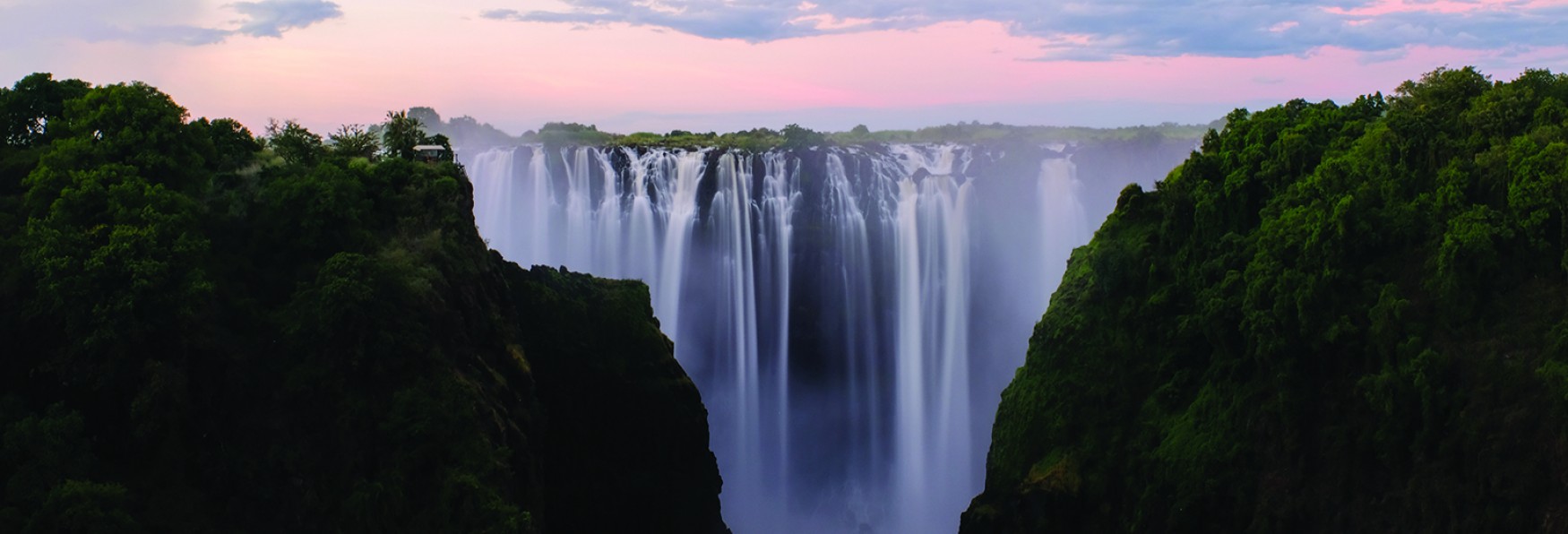
- Your contract
Your contract is with Llama Travel Limited, registered in England and Wales, number 4370517. The following conditions will apply to your booking and form part of your contract. They cannot be varied and should be read carefully. A contract will exist when we accept your booking and issue our confirmation invoice. The contract and all matters arising from it shall be governed by English law and be subject to the exclusive jurisdiction of the English courts. All correspondence will be sent to the lead passenger of the booking unless otherwise advised. You must be over 18 to book a Llama Travel holiday. Llama Travel holidays are not for resale. The lead passenger accepts these booking conditions on behalf of all persons named in the booking.
- Deposits and final payments
A deposit of 10 - 20% of the holiday cost is required. On some occasions a higher deposit is required, we will advise you if this is necessary. When this is received, we will issue a confirmation invoice. The balance of the payment must be paid 90 days before departure. If the booking is made less than 90 days before departure, full payment must be made when booking. On some occasions, earlier balance payment may be required to secure flight seats or other services. In order to secure your holiday arrangements in some cases, we may ask for a payment in advance before we can reserve the appropriate services. This payment is not refundable if you subsequently decide not to proceed with the booking.
- Our prices
Brochure prices are based on the latest known information at the time of preparation – 28 November 2025 (£1 = US$1.32, £1 = ZAR23, £1 = JPY206, Brent Crude oil $62 per barrel) but can go up or down. Before making a booking, please call us to check the correct up-to-date price of your chosen holiday. Once you have made a booking and we have issued our confirmation invoice, your holiday price can only be varied due to a significant increase in costs, fees, taxes, or similar items. The VAT rate for holidays outside the UK is zero.
- Alterations or cancellations by you
If you wish to alter your holiday arrangements before departure, we will do our best to help. An administration fee of £25 per passenger will be charged, together with any additional costs incurred as a result of the change. If you make any alterations within 60 days of departure, we may treat this as a cancellation, and apply cancellation fees. Scheduled airlines treat name changes as a cancellation and rebooking; any alteration is likely to incur a 100% cancellation charge. Please make sure that all names you give us are spelled exactly as they appear in passports. It is not normally possible to make alterations after commencement of travel. If you do wish to make alterations during your holiday, cancellation fees for services booked may apply. Refunds cannot be made for any unused accommodation, services or transport. We recommend that you take out full travel insurance with cover against cancellation penalties, including in the event of force majeure; see section 6 below. We commit to and confirm services in advance. If you wish to cancel your holiday, you must let us know in writing. The following cancellation charges apply:
-
Days before departure when you notify us Penalty 90 days or more Loss of deposit 61 to 89 days 25% of holiday cost, or deposit if higher 46 to 60 days 60% of holiday cost (75% for cruise or safari holidays), or deposit if higher 45 days or less 100% of holiday cost In some cases, the balance payment may be due earlier than 90 days before departure. We will advise you if this is the case. If any part of the balance payment is required earlier than 90 days before departure, this will normally be non-refundable in the event of cancellation. Where one person in a party cancels and others still wish to travel, single room supplements will be payable if this results in single rooms being used.
- Alterations or cancellations by us
We make careful arrangements with airlines, hotels and service operators to ensure that we are able to provide you with the holiday as described. However, in exceptional cases, it may be necessary to make changes to your holiday arrangements (including airlines, flights, accommodation, transport or services) due to circumstances beyond our control. Flight times are given only as indications, and finalised times will be shown on your tickets.
When changes are necessary, we will do our best to ensure that they do not affect your holiday. If, before you depart, a major change is necessary (defined as a change of itinerary so that you are no longer able to visit a destination where you are scheduled to spend one or more nights or an appropriate alternative destination, or a change of accommodation to a lower standard or category affecting a significant part of your holiday) or if we have to cancel your holiday, we will contact you and offer you the choice of:
- Accepting the changes to your holiday;
- Purchasing another available Llama Travel holiday;
- Cancelling your holiday with a full refund.
If we have to cancel your holiday less than 60 days before departure, other than in the event of force majeure (see section 6 below), you will be entitled to compensation at the following levels:
When notified Compensation per person 43 – 60 days before departure £50 29 - 42 days before departure £100 15 - 28 days before departure £150 0 - 14 days before departure £200 - Alterations or cancellations by you or us in the event of force majeure prior to departure
If, prior to departure, we have to make major changes to, or cancel, your holiday in the event of force majeure, we will contact you and offer you the above choices. However, compensation will not be paid.
If, in the event of force majeure, it is not possible for your holiday to proceed, we will endeavour to recover from suppliers, and refund to you, monies paid for your holiday, but where we are unable to do so, you may be able to claim for irrecoverable costs from your travel insurance. We do not accept liability where the performance of our contractual obligations is prevented by force majeure.
Force majeure events include war, threat of war, civil unrest or strife, decisions by governments or governing authorities, epidemic, natural disasters, fire, bad weather, terrorist activity, nuclear disaster, industrial disputes, technical or maintenance problems with transport, changes of timetables of airlines, or other causes beyond our control.
-
Minimum Group Size
Most holidays can operate with a minimum of 2 passengers, but some holidays have a higher minimum group size. If we have fewer than the minimum number of passengers, we will let you know two months before departure. In this case, we will refund you any monies paid or offer you an alternative option. No compensation will be paid. - Our responsibilities to you
Llama Travel is dedicated to ensuring that your holiday is as described. If a part of your holiday is not provided as promised, please inform us at the time. If this affects the reasonable enjoyment of your holiday, we will pay compensation appropriate to the circumstances. If you do not inform us at the time, Llama Travel accepts no responsibility for the situation as we will not have been given the opportunity to rectify the problem.
Llama Travel accepts responsibility for illness, personal injury or death caused as a direct result of the negligence of our employees or suppliers while acting in the course of their employment to provide services or arrangements for your holiday that you have booked with us in the UK. We do not accept responsibility for illness, personal injury or death where there has been no fault of our employees, agents, suppliers or sub-contractors, or as a result of taking part in any activity which does not form part of the holiday booked through us in the UK. Where illness, personal injury or death arises in the course of air travel, rail travel, sea travel or hotel accommodation, the amount of compensation you may receive is limited in accordance with the provisions of any International Convention.
- Your responsibilities
Clients are responsible for ensuring that all immigration and health requirements are fulfilled, for obtaining travel documents, including passports, visas and vaccination certificates, and for ensuring that these are all in order, including for any intermediate stops on international flights. Clients are responsible for ensuring that all immigration and health requirements are fulfilled, for obtaining travel documents, including passports, visas and vaccination certificates, and for ensuring that these are all in order, including for any intermediate stops on international flights. Non-compliance may result in you being excluded from the holiday with no refund. You must not travel if you are required to isolate by health authorities and standard cancellation terms will apply. If you are required to isolate when on holiday, you will not be entitled to a refund for unused services, including flights. You accept the risks of catching covid-19, being required to isolate or be tested and we recommend you have suitable travel insurance to cover such circumstances.
-
We require your passport details to issue some tickets. If these change after you have given them to us, you must inform us. If the name on your airline ticket does not match that on your passport, you must inform us as soon as you receive the ticket.
- It is your responsibility to behave in a responsible, restrained and sober manner when dealing with local authorities, fellow travellers and our representatives.
- By taking a Llama Travel holiday, you agree to accept the authority and decisions of our employees and representatives. If, in the opinion of such people, your behaviour or health is likely to threaten the safety, comfort or progress of a tour, then you may be excluded from the tour without refund or compensation. It is your responsibility to obey local laws, otherwise you may be excluded from the holiday and we will cease to have any responsibility for you.
-
Please bear in mind that travel to Llama Travel destinations is not the same as travel in the UK, and inconveniences and delays may arise due to weather conditions, strikes, demonstrations, the poor state of roads or for other reasons. By travelling with Llama Travel, you are implicitly accepting this part of the way of life in these countries.
- Flights
We have no control over international or national air carriers, and therefore schedules or airlines used may change or flights be delayed due to no fault of our own. A change of flight time or airline due to schedule changes or flight cancellations is not treated as a major change. We will try to ensure the smooth flow of all your transport connections, but it is your responsibility to check exact times of flights. This is particularly important for internal flights, which can be rescheduled at short notice. Llama Travel accepts no responsibility for the consequences of flights missed due to the client’s failure to confirm exact details.
When you travel with an airline, the Conditions of Carriage of that airline apply, some of which will limit or exclude liability. These conditions are the subject of International Agreements between countries.
It is your responsibility to arrive at the departure airport at the appropriate time and to check in for your international flight, and to change aeroplanes if necessary at intermediate airports. If you wish to sit in a specific seat, or wish to sit with other people on the flight, it is recommended that you check in early or check in online where possible. It is sometimes possible to reserve seats directly with the airline online prior to travel.
Airlines do not allow more than one booking per passenger on a flight and may cancel seats if they are held by more than one operator. Clients are responsible for ensuring they are not holding flights with another operator.
- Baggage allowance
Most airlines have a baggage allowance of 20kg per passenger, or sometimes less. Carrying excess baggage will normally incur an expensive additional cost payable at check in. Additionally, certain excursions have a limited baggage allowance. Where this is the case, you will sometimes be able to leave the rest of you luggage in storage. Llama Travel accepts no responsibility for the delay, loss or damage of luggage.
- Insurance
You must have adequate insurance provision to cover the cost of assistance, including emergency repatriation, in the event of illness or other problems occurring during your holiday.
- Complaints
If you have any complaints about your holiday arrangements when you are abroad, please bring these to the attention of our local representatives who will do all they can to ensure a swift and satisfactory resolution. Problems can usually be sorted out by talking to the supplier concerned (e.g. hotel) and our local representatives or by informing us directly. If this is not done, Llama Travel accepts no responsibility for the situation, as we will not have been given the opportunity to rectify the problem. If you do not inform us, your consumer rights to compensation may be affected. If you have tried and failed to rectify the situation whilst abroad, please send us your complaint in writing within 28 days of returning to the UK. We will then follow up your complaint. Communication with destinations is often slow, so we may not be able to resolve the situation as quickly as you would like.
- Financial protection for bookings made in UK for UK residents
The air holidays in this brochure are ATOL protected, since we hold an Air Travel Organiser’s Licence granted by the Civil Aviation Authority, number ATOL 5804. If we, or the suppliers identified on your ATOL certificate, are unable to provide the services listed (or a suitable alternative, through an alternative ATOL holder or otherwise) for reasons of insolvency, the Trustees of the Air Travel Trust may make a payment to (or confer a benefit on) you under the ATOL scheme. You agree that in return for such a payment or benefit you assign absolutely to those Trustees any claims which you have or may have arising out of or relating to the non-provision of the services, including any claim against us, the travel agent (or your credit card issuer where applicable). You also agree that any such claims may be re-assigned to another body, if that other body has paid sums you have claimed under the ATOL scheme. For holidays not including flights, bookings are insured by the AITO Financial Protection Scheme, membership number 6137. For further information, see www.aitofps.com.
- Brochure and website information
The information in our brochures and on our website is, to the best of our knowledge, correct at the time of going to press. However, details of flights or hotels may vary during the lifetime of a brochure. These changes will be reflected on our website where possible.
The copyright on all material in our brochures and on our website, including text, photographs, maps and layouts is held by Llama Travel Limited. No part of these publications may be reproduced, stored or transmitted in any way without the prior written permission of Llama Travel.
- Data Protection
The information we ask you to provide, including personal information about you and members of your party, is necessary for us to arrange and operate your holiday. By booking a holiday with us, you agree to our processing this information, including, where appropriate, its transfer outside of the UK.
-
Package Travel Regulations
Llama Travel Bookings comply with the UK Package Travel and Linked Travel Arrangements Regulations 2018. UK Package Travel Regulations
Published in
Advanced page template
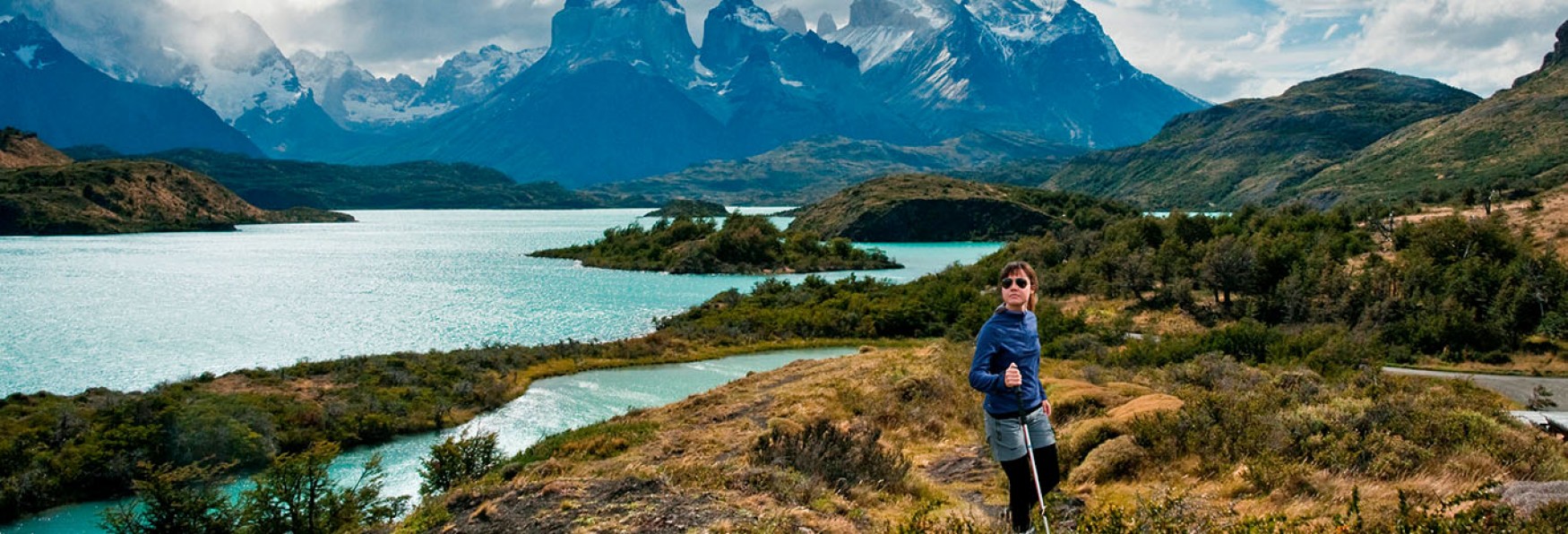
Work for Llama Travel
Llama Travel is an award-winning tour operator specialising in tours to Latin America, Africa, Asia and the Middle East. We are looking for enthusiastic people to help grow the business.
Llama Travel is a member of AITO, LATA, and is IATA accredited. Jobs are based in our office in Camden Town, north London.
Llama Travel currently has the following positions open:
................................................................................................................................................................................
Travel Consultant
Salary: £29K+ (exceptional sales people achieve rapid salary increases based on sales levels), plus 10% annual bonus subject to performance
Location: Based in our office in Camden Town, London NW1
The role
We are looking for enthusiastic, well-travelled people to join our efficient and highly motivated team as travel consultants, helping to put together tours and offer the highest level of customer service. A person who will turn their passion for travel into a career. As a Travel Consultant your duties will be to:
- Communicate with customers to help them find their perfect trip
- Coordinate services with suppliers in each country, and airlines
- Deal with all customer requirements, from initial enquiry through to booking and queries prior to departure
- Managing the administrative side of bookings to ensure that holidays go according to plan
Requirements
An ideal candidate will have the following skills and experiences:
- A passion for travel, having visited a number of our destinations
- Great organisational skills, with the ability to work on multiple tasks at the same time
- Working within a team
- Numeracy and a keen attention to detail
- Excellent telephone manner
- Knowledge of Excel and Word
- Fluent English both written and oral is essential to this role
The package
The initial salary is £29,000 per annum, with rapid increases possible for good sales staff. There are pension contributions and a travel allowance as well as familiarisation trips and other industry benefits.
How to apply?
All applications should be sent with a CV and an accompanying cover letter telling us why you have a passion for travel and why you think you are the best person for this role. Please include a travel history.
Do you have what it takes to succeed in this role? If so please submit your application to This email address is being protected from spambots. You need JavaScript enabled to view it. for consideration.
Due to the volume of enquiries only suitable candidates will be contacted.
................................................................................................................................................................................
Ticketing Support Executive
Salary: £30,000 - £35,000 dependant on experience, (plus 10% annual bonus subject to company performance)
Location: This is an office-based role. Standard working hours are 9:00am – 6:00pm, with a one-hour lunch break. Final arrangements will be confirmed upon offer.
The Role
We are looking for a motivated and detail-oriented individual to join the Llama Travel Flights Team.
In this role, you will support the flight operations for Llama Travel holidays to Latin America, Africa, and Asia, while delivering the highest standards of accuracy and customer service. Strong experience with Amadeus GDS and flight consolidators is essential.
Key Responsibilities
- Provide day-to-day support to sales agents on all GDS bookings and related processes
- Provide day-to-day support to sales agents on consolidator bookings and processes
- Manage flights coming into range, ensuring all required international and internal flight bookings are completed
- Maintain and monitor queues, including schedule changes, general queues, web/native bookings, and reissues
- Perform end-of-day checks to ensure all tickets have been issued correctly
- Monitor schedule changes, notify agents and customers, and action any required amendments
- Arrange and process any booking adjustments resulting from schedule changes, updating back-office systems accordingly
- Assist internal teams with flight requests, including fare quotations and ticket reissues
- Support the booking and ticketing of NDC content
- Process ticketing, reissue, and refund requests within required timeframes and company guidelines
Requirements
An ideal candidate will have the following skills and experiences:
- Minimum of 2 years’ experience in a flights or airfares environment
- Strong working knowledge of GDS reservations and ticketing (Amadeus preferred)
- Excellent understanding of fare types, fare rules, ticketing, reissues, and refunds
- Advanced fare management skills, including manual fare builds, name/seat corrections, and complex ticket revalidations
- Ability to navigate between NDC landscape, traditional GDS content and consolidators to ensure we offer all possible options to clients
- Great organisational skills, with the ability to work on multiple tasks at the same time
- Numeracy and a keen attention to detail
- Knowledge and experience of Excel spreadsheet
- Ability to work effectively within a team
- Fluent English both written and oral is essential to this role
The package
The salary is £30,000 - £35,000 dependant on experience, (plus 10% annual bonus subject to company performance).
There are pension contributions and a travel allowance and other industry benefits.
How to apply?
All applications should be sent with a CV and an accompanying cover letter telling us why you think you are the best person for this role.
Do you have what it takes to succeed in this role? If so please submit your application to This email address is being protected from spambots. You need JavaScript enabled to view it. for consideration.
Due to the volume of enquiries only suitable candidates will be contacted.
Published in
Advanced page template
Lorem ipsum dolor sit amet, consectetur adipiscing elit. Suspendisse scelerisque sit amet tortor non feugiat. Maecenas eleifend ac felis tincidunt aliquam. Nulla pulvinar ligula id dui condimentum, ut lacinia libero placerat. Suspendisse sollicitudin molestie imperdiet. Morbi blandit egestas justo sed feugiat. Sed pretium, justo eu aliquet iaculis, dui nibh scelerisque diam, quis accumsan dui ante vel mi. Sed urna elit, pellentesque ut sodales a, semper vel arcu. Curabitur viverra ipsum in turpis consectetur condimentum.
Duis et lorem dictum leo iaculis pellentesque. Phasellus vitae viverra turpis. Praesent quis metus consectetur, malesuada arcu convallis, hendrerit dui. Ut elementum nisi odio, a congue felis efficitur sit amet. Ut dignissim lorem at neque egestas scelerisque. Donec lacus justo, porttitor nec nunc at, condimentum placerat est. Quisque vel tincidunt risus, non imperdiet ipsum. Phasellus blandit enim sed tempus aliquam. Vestibulum elementum lectus dui, sed tincidunt lorem venenatis id. Nunc ac efficitur ex. Donec vehicula condimentum urna et faucibus. Pellentesque habitant morbi tristique senectus et netus et malesuada fames ac turpis egestas. Etiam imperdiet augue sit amet accumsan ultricies. Nulla id tortor eros.
Published in
Advanced page template
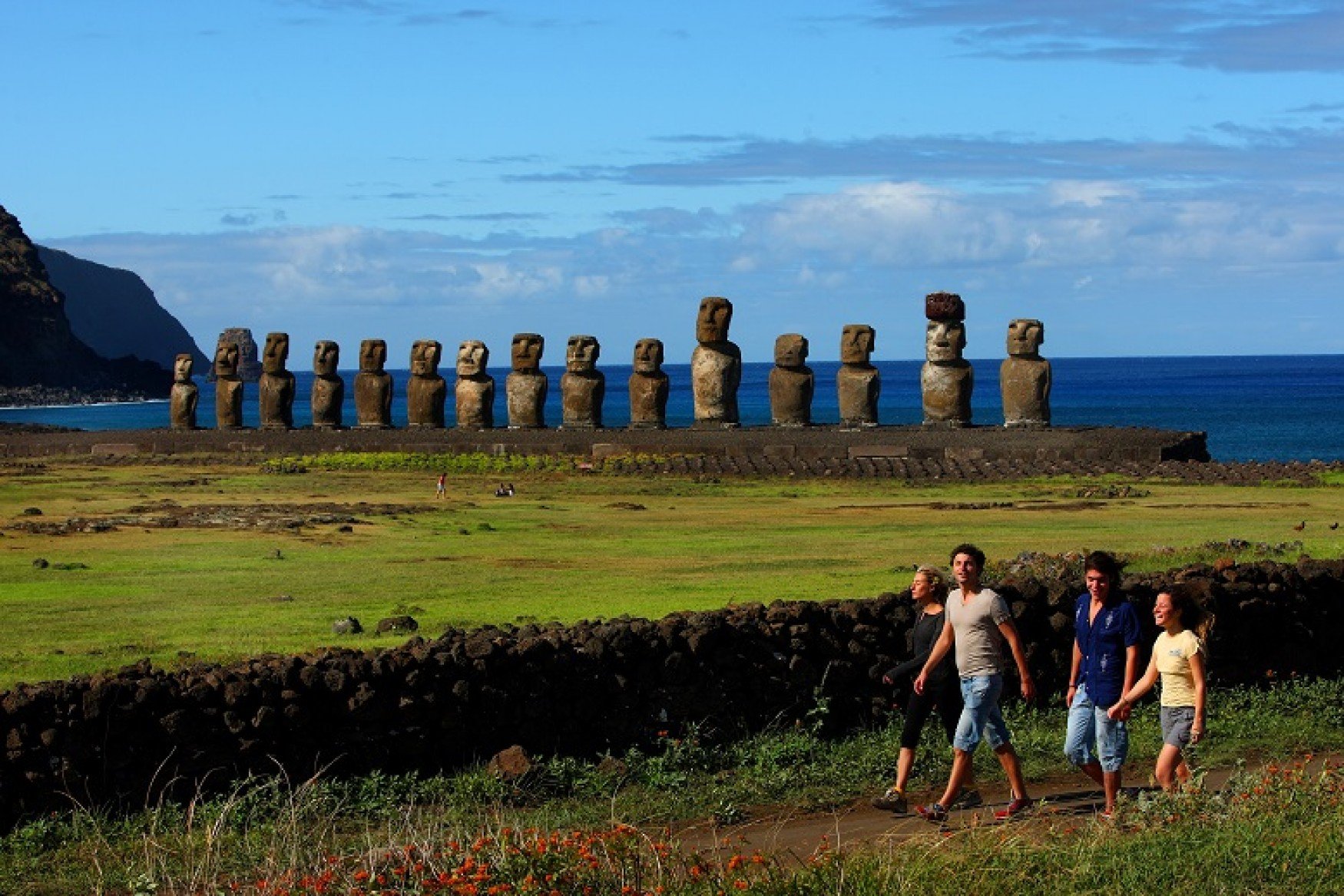
How to Book
To book a holiday or discuss your requirements, please call us on 020 7263 3000. We can usually confirm availability immediately, but may need to check with a supplier first.
Payment
You can pay your deposit by bank transfer, cheque, standard UK debit card or non-premium UK personal Visa / MasterCard credit card. Balance payments can be made by bank transfer or cheque. We do not accept cards for balance payments. We are unable to accept cash.
What’s included in the price
Prices are per person and are based on two persons sharing a room and include all flights, transfers and accommodation.
Where applicable, entrance fees, taxes and charges are included in our prices at the rates advised to us at the time of preparation. An adjustment will be made to your price if any of these change before your holiday.
Departure taxes on some flights within and leaving Latin America are not included. These must be paid in cash at the airport. Currently, these are: Guatemala US$3 for international and domestic flights.
Passports and Visas in Latin America
Visas are not required in advance for British citizens for any Llama Travel destination in Latin America. For British passports endorsed in any way and all other passports, please ask the appropriate consulate: Peru (Tel: 020 7838 9223); Ecuador (020 7451 0040); Argentina (020 7318 1340); Chile (020 7222 3434); Brazil (020 7659 1550); Colombia (020 7637 9893); Costa Rica (020 7706 8844); Guatemala (020 7351 3042); Mexico (020 7499 8586); Panama (020 7493 4646); Bolivia (020 7235 4255). You need a full 10 year passport valid for 6 months after your return to the UK. If you are flying via the US, you need to comply with US immigration requirements. Ask us for details.
There is an immigration entry fee to enter Chile for citizens of Australia, and citizens of the US, Canada and some other countries. To enter Chile, a fee must be paid upon arrival in Santiago’s international airport.
Prior to 2018, there was a reciprocal entry fee for US and Canadian citizens visiting Argentina. This is no longer in place.
Prior to June 2019, to visit Brazil, citizens of the US, Australia and Canada required a Brazilian visa. This is no longer required.
If children are not travelling with both parents, some countries require a letter of consent to enter or depart. Please consult the appropriate consulate.
To issue some tickets, we require passport details and ages when you book. If you subsequently change your passport, please let us know as soon as possible.
Passports and Visas in Africa
Visas in advance are not required for British citizens for any Llama Travel destination in Africa, although a visa is required to enter Zimbabwe (for Victoria Falls), which can be purchased upon entry. The Kaza Univisa allows you to cross the border between Zambia and Zimbabwe and also allows for day trips to Botswana (current cost US$50). For British passports endorsed in any way and all other passports, please ask the appropriate consulate or high commission: South Africa (020 7451 7299); Namibia (020 7636 6244); Botswana (020 7647 1000); Zimbabwe (020 7836 7755). You need a full 10 year passport valid for 6 months after your return to the UK. To enter South Africa, you require two blank pages in your passport. To visit Namibia, you require one blank page. If combining countries, you may need more blank pages.
If children under 18 are travelling, especially if not travelling with both parents, some countries require extensive documentation, including unabridged birth certificates and other official documents. South Africa has recently loosened these requirements for children travelling with both parents, although we have been advised that in some cases birth certificates are still being requested upon entry, so we recommend taking these in all cases. Please consult the appropriate consulate for more information. For other nationalities, please check with the appropriate consulate.
To issue some tickets, we require passport details and ages when you book. If you subsequently change your passport, please let us know as soon as possible.
Hotel grading
Official hotel ratings vary from country to country. Our standard hotels are tourist class hotels. Superior hotels usually offer better facilities and more comfort.
Hotel rooms
If you have a preference for a twin or a double room, please let us know. However, we cannot guarantee this as hotels do not allocate rooms until the day of arrival. Despite costing more per person, single rooms do not always offer the same level of comfort as doubles. Some hotel bathrooms have showers instead of baths. If you prefer a bath, please ask. If you arrive at a hotel before check-in time, your room may not be ready. You will be able to use the hotel facilities until your room is ready. Check out time is usually in the late morning. A charge is normally made for late check out.
Tickets and vouchers
You will receive tickets approximately 10 days before departure, along with information on accommodation, transfers and excursions. Our agents in will give you your hotel and excursion vouchers when you arrive. Please check airline tickets carefully in case timings have changed after we issued your confirmation.
Excursions and Extensions
Excursions are operated together with other holidaymakers. These will usually be in English, although groups are sometimes a mix of English and other languages. A minimum of 2 people is required for some excursions. On some occasions, the order of excursions may vary. Excursions may be with non-Llama Travel passengers, especially at wildlife lodges and cruises.
Tipping
Tipping guides and support staff is normally well deserved, and expected, especially on wildlife excursions. Please ask us for suggested tipping levels.
Insurance
Adequate travel insurance is essential. We do not sell or recommend any specific policy. A list of insurance companies that our customers have found suitable is available from us. Please advise your insurer of any pre-existing medical conditions and, if you are booking a holiday involving high-altitude trekking, such as the Inca Trail, make sure that you are covered for this. If you are planning on carrying out any other activities, please ensure your insurance policy will cover you for these. Note that cancellation cover is often only available if insurance is purchased within two weeks of booking your holiday.
Age and fitness limitations
For most of our holidays, age is not a concern. However, a reasonable level of fitness is required, as most holidays require some walking, sometimes on uneven ground. Even relatively mild activities can be strenuous at altitude. High altitude trekking is more strenuous than an equivalent length walk in the UK.
Health and vaccinations
Please consult your GP or a travel clinic about health and vaccination requirements. Advice for travellers is available at www.fitfortravel.nhs.uk. In Latin America, Yellow fever and malaria precautions are recommended for visiting the jungle, Iguazu Falls, Rio de Janeiro and some parts of Colombia, Guatemala, Costa Rica, Brazil, Peru and Ecuador. Yellow Fever certificates are sometimes required if you have recently visited a country with an infected area. Children under 6 require proof of vaccination against polio to enter Brazil.
In Africa, malaria precautions and recommended for visiting Botswana, northern Namibia, the Kruger area in South Africa, and Victoria Falls. Yellow Fever vaccination is not usually required for any of our destinations in southern Africa, although certificates are sometimes required if you have recently visited a country with an infected area.
Some GPs do not recommend yellow fever vaccinations for travellers over 60 years old. Please seek medical advice before you travel.
Parts of South America are at high altitude. Most visitors do not suffer major problems. However, shortness of breath is common and we advise you to take things calmly during your first day at altitude. If you suffer from a heart or lung condition, or think that you may suffer due to the altitude, please consult your GP.
There have been reports of the Zika virus, a mosquito-borne virus, in various Latin American countries. Please check the fit for travel NHS website for the latest advice regarding this. If you are pregnant, or planning on becoming pregnant, it is recommended that you speak to a medical professional prior to travel.
When travelling, stomach illnesses are not uncommon due to changes in diet. We suggest you only drink bottled water and avoid ice in drinks. If you are unsure if salads and fruit have been washed in purified water, it is best to avoid them.
If you suffer from any disability or condition and are concerned whether this will affect the enjoyment of a holiday, please call us. We will do our best to help. We recommend that you bring any medicines you require from the UK.
Outside of major cities, medical facilities can be basic, meaning a lengthy transfer if hospital attention is required.
Your safety and security
Most people who travel to the countries where Llama Travel operates experience no problems on holiday. However, as is the case anywhere in the world, crime can be a problem, especially in large cities. Tourists can appear attractive targets to criminals. To minimise the risk, use common sense. Do not display signs of wealth, such as expensive looking jewellery or cameras. Avoid empty streets, especially on your own. Take a taxi after dark. By taking sensible precautions, you should have a trouble-free holiday.
Each country has its own standards for health and safety, but these are often not as good as in the UK. We take this into account when selecting hotels and request that they comply with all local regulations, but cannot guarantee that these are equivalent to British standards. Please take reasonable precautions to protect yourselves whilst on holiday, e.g. by locating fire exit routes.
Please also check the Foreign Office travel advice for the countries you are visiting the Foreign & Commonwealth Office website.
Published in
Advanced page template
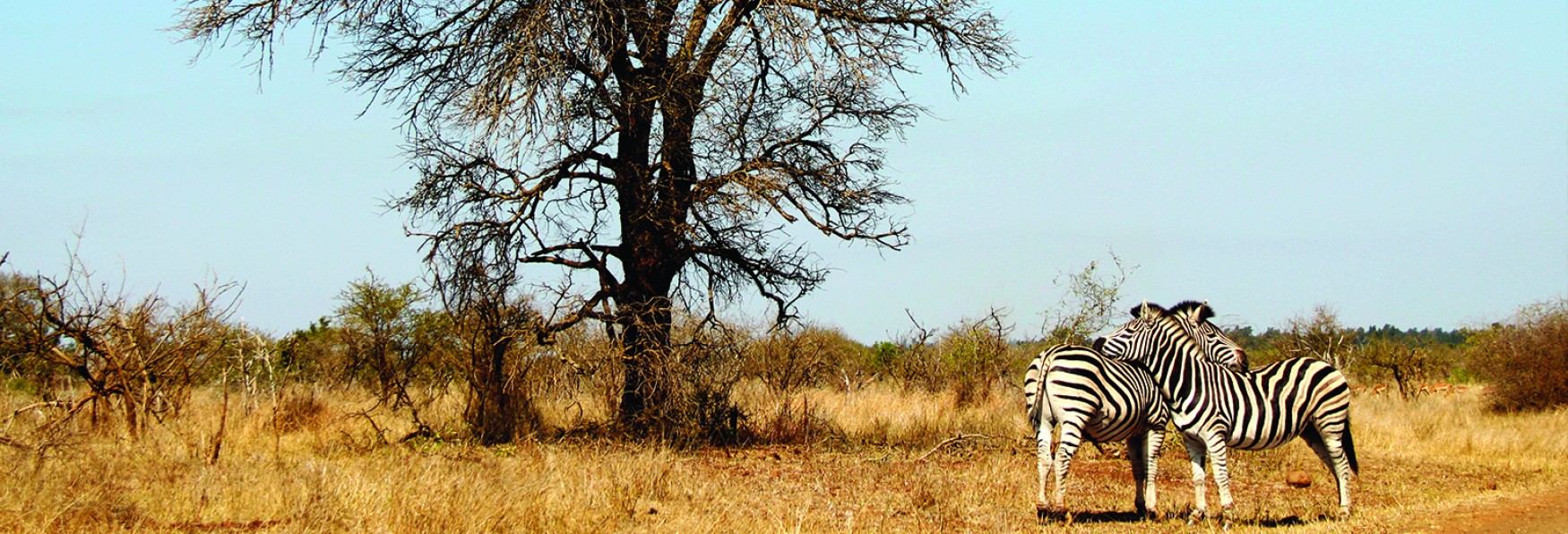
Flexible Tours
Probably the best way to describe our holidays is flexible tours, so you can choose where to visit by combining different extensions and excursions, and which hotels to stay in. In most cases, you will be with other Llama Travellers, but not necessarily the same people throughout.
Small Groups
Excursions are usually taken in groups of around 10-15 people, with a maximum group size of 18. We find this works very well, allowing you to get to know like-minded people, but not having to spend all your time with the same group. You are free to explore on your own, or if you make friends, you can share your experiences with others. If we have more than 18 booked, we operate two groups.
Most holidays need at least two passengers, although some require more, and we will confirm this when you book. If we have only one or two people booked on an excursion, this may be operated together with people other than Llama Travel customers.
In some places, the excursions are operated by one of our local partners, so you may be with people other than Llama Travel customers, and the group may be a mix of English and other languages. In these cases, group sizes can sometimes be larger. If you would like to know the likely situation for your holiday, please ask us and we will be able to check. Transfers may be in a vehicle with more than 18 people.
Who Travels with Us?
We get a wide range of travellers on our holidays, with many couples in their 40s to 60s, as well as single travellers, and travellers in their 20s and 30s, especially for more active holidays. What brings everyone together is curiosity and a love of exploring new cultures, landscapes and wildlife.
Solo Travellers
While many guests travel with friends or family, we also welcome solo travellers who enjoy mixing with others.
How to Build Your Own Holiday
Step 1:
Choose your Destination
Choose from 24 countries with a range of departure dates. We also have itineraries that cover multiple countries, such as Best of Argentina and Chile.
Step 2:
Choose your Extensions
You can extend your holiday to include more destinations. Perhaps you want to finish your trip with a few days relaxing on the beach. Or visit another country entirely before you go home. You can add as many extensions as you like.
Step 3:
Choose your Excursions
We offer a range of excursions that you can add to your holiday. These can be city tours, game drives, nature hikes, and activities such as ziplining. See how you can save with the excursion packages!
Step 4:
Choose your Hotels
Our standard hotels are comfortable tourist-class hotels, or you can upgrade to superior hotels. Check out the upgrade package and see how you can save on multiple upgraded hotels!
Step 5:
Enjoy your Holiday!
From here, you can sit back and look forward to your trip. If, before travel, you'd like to make any adjustments, such as adding extra nights, hotel upgrades, or more excursions, just let us know.
99% of customers who travelled with us said they would recommend us to a friend.
Published in
Advanced page template
Tagged under
Llama Travel recognises that tourism has a significant impact, both on the lives of local people and on the natural environment. When carried out sensitively, this impact can be very positive, providing employment and income as well as encouraging the preservation of local resources and culture. The economic benefit comes more directly than most other forms of export; through restaurants, shops and other services supplied by locals.
Many countries in Latin America , Asia, and Africa are poor, and to make a living, natural resources have always been exploited by locals. However, as tourism has become more important economically, there is a growing recognition of the need to preserve natural resources, with many locals now employed as guides, trackers and staff in lodges.
Llama Travel works with local companies and organisations in our destinations to try to ensure that our holidays are beneficial for the people of the destinations we visit. We ask you to help with this:
- Support the local economy by buying local produce and services.
- Respect local people and culture, especially when taking photographs.
- Respect the behaviour and habitat of wildlife.
- Do not buy products made from endangered species or tropical hardwoods.
- Support local environmental projects and those designed to preserve local heritage.
- Please do not litter.
All Llama Travel excursions are taken with knowledgeable local guides who are fluent in English, and often in other local languages. Some trips include sections without guides; in these cases drivers may have only rudimentary English. We feel that the use of local guides aids the traveller in a better understanding of their destination, as well as working to better the lives of people living in the local community. We try to ensure that all local staff we work with are treated and paid well. However, some of the local companies we work with may not always share these concerns. If you come across anyone on your holiday that you think is being exploited, please bring this to our attention.
Published in
Advanced page template
About Llama Travel
Established in 2002, we are one of the UK's leading specialist tour operators, providing high-quality holidays at the lowest possible prices. Our dedication to getting it right has led us to win many awards. Choose from our holidays in Latin America, Asia, Africa & Middle East.